







Best Time to Visit Zanzibar: Weather and Seasons Month by Month
Table of Contents
The best time to visit Zanzibar is during the dry seasons, from June to October and from January to February, when rain is lighter and the sea is calmer. Here we break down Zanzibar weather month by month, the rainy seasons, and what to do in each period.
When to Go to Zanzibar: Quick Summary
If you only have a minute, here is the short version of the best time to visit Zanzibar:
- Best months overall: June to October, plus January and February for hot, dry beach weather. September is often a particularly balanced choice, with low rainfall and warm seas.
- Rainiest months: April and May (the long rains), with April usually the wettest of all. November and December bring shorter, more scattered showers.
- Cheapest months: April and May, when many properties lower their rates. November and early December are a good middle ground.
- Busiest months: July to October, and the end-of-year holiday period.
Zanzibar Weather: The Seasons
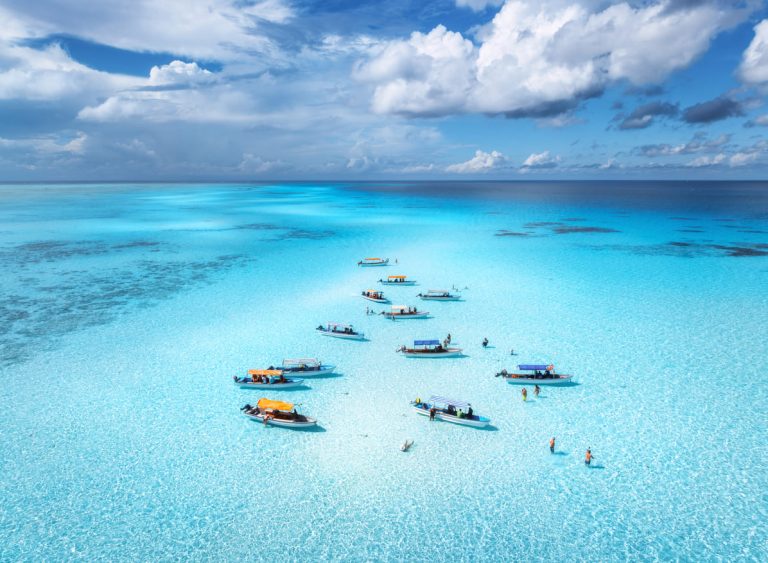
Zanzibar sits just south of the equator, so the island is warm all year. The real differences are rainfall, humidity, wind and sea conditions, not temperature alone. These factors follow the monsoon winds and give Zanzibar weather four distinct seasons: two dry and two rainy. Keep in mind that every figure in this guide is a climate average, not a guarantee for a specific week.
Cool Dry Season (June to October)
This is the classic high season. Skies are mostly clear and humidity eases, with daytime highs around 27°C to 30°C and cooler nights. The southeast kusi wind blows steadily, which keeps things comfortable and makes the east coast breezy and choppy. The sea cools to its lowest point of the year, roughly 25°C to 27°C, but it remains perfectly pleasant for swimming. July is typically among the driest months.
Long Rains (March to May)
The long rains, or masika, bring the heaviest rainfall of the year, with April usually the wettest month at close to 400 mm in some climate datasets. Humidity is high, the sea can be rough, and some smaller hotels close for maintenance. The upside is that the island turns lush and green, prices drop, and showers often arrive in heavy bursts rather than lasting all day. March can still deliver good beach days, while May tends to improve toward the end of the month.
Short Rains (November to December)
Rain returns in November, but it is lighter and less predictable than in April. Expect brief downpours, often in the afternoon, followed by sunshine. Temperatures hover around 29°C to 31°C, and the sea warms back up toward 27°C to 28°C. Winds shift toward the north, so conditions begin to soften. It is a handy window for travelers who prefer lower prices and don’t mind packing a light rain jacket.
Hot Dry Season (January to February)
These are the hottest months of the year, with highs often reaching 31°C to 33°C and a sea around 28°C. Rainfall is low, humidity builds gradually, and winds are lighter than in the cool dry season. Beaches are bright and busy, particularly in January, and conditions suit long days of swimming, snorkeling and diving.
Zanzibar Weather Month by Month
Here is a quick look at how Zanzibar weather changes through the year. Figures are approximate averages, and sources vary slightly:
Month | Highs / Lows | Rain | Sea | Wind | Crowds |
January | 31°C / 25°C | Low to moderate | 28°C | Light | High |
February | 32°C / 25°C | Low | 28°C | Light | High |
March | 31°C / 25°C | Rising | 29°C | Light, variable | Low to moderate |
April | 30°C / 24°C | Very high | 29°C | Calm | Very low |
May | 29°C / 24°C | High, easing | 28°C | Shifting southeast | Low |
June | 29°C / 23°C | Low | 27°C | Building | Moderate to high |
July | 28°C / 22°C | Very low | 26°C | Strong | High |
August | 28°C / 22°C | Very low | 25°C | Strong | High |
September | 29°C / 23°C | Very low | 26°C | Moderate | High |
October | 30°C / 24°C | Low | 26°C | Light | Moderate |
November | 30°C / 25°C | Moderate to high | 27°C | Shifting north | Low to moderate |
December | 31°C / 25°C | Moderate | 28°C | Light | High at year end |
January to March
January and February are hot, bright and generally dry, which makes them popular for beach trips. March is a transition month: early in the month, beach days are still reliable, but showers become more frequent as it progresses. Humidity noticeably climbs, so lighter clothing helps.
April to June
April is the wettest month, with high humidity and an unsettled sea, so most travelers skip it. May starts to improve, and by June the dry season has taken hold again with clear skies, lower humidity and a growing number of visitors.
July to September
This stretch is the driest and most comfortable of the year, with highs near 28°C to 29°C and a refreshing southeast breeze. The sea is at its coolest but still very warm, and the east coast gets windy, which is great for kitesurfers. September is often considered one of the best all–round months.
October to December
October is bright and still mostly dry. By November, the short rains begin, then ease through December as the island fills up again for the holidays.
Zanzibar in November
Zanzibar in November marks the start of the short rains, so expect more humid days and afternoon downpours, with daytime highs around 29°C to 30°C and a sea near 27°C. Showers tend to be brief, and plenty of sunshine remains between them. The island is quieter, rates are generally lower than in peak season, and it suits flexible travelers, couples and divers who prefer fewer crowds. Pack a light rain jacket, and plan a few indoor options such as Stone Town walks or a spice tour on wetter days.
Zanzibar in December
Zanzibar in December is warm, humid and sunny, with highs around 30°C to 31°C and a sea of about 28°C, which feels like bathwater. Showers still pass through, but they become less frequent as the month goes on. Demand rises sharply around Christmas and New Year, so prices climb and the best rooms go quickly. If you are planning to travel in late December, we recommend booking well ahead. Early December, by contrast, is a calmer and more affordable option.
What to Do in Zanzibar by Season
The best time to visit Zanzibar depends partly on what you want to do. Activity windows vary a little between operators, so treat these as general guidance:
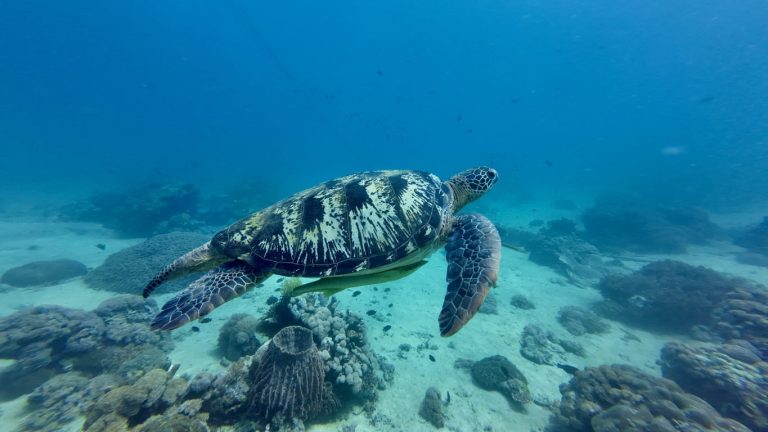
- Diving and snorkeling: June to October and January to February are widely recommended, with visibility often at its best in September and October. Rough seas from the southeast wind can make boat rides bumpier between June and August.
- Kitesurfing in Paje: the southeast wind is strongest from June to October, while the lighter northeast winds from December to March suit beginners. April and May are usually too calm.
- Dolphins at Kizimkazi: dolphins live in the bay year-round, but calmer seas in January and February and from June to October make boat trips more comfortable.
- Whale sharks: they are usually seen off Mafia Island, a separate destination, typically between October and February.
- Stone Town, spice farms and Jozani Forest: these work in any month, though drier days make them more enjoyable.
For more ideas on how to fill your days, take a look at our guide to the best things to do in Zanzibar.
High and Low Season: Prices and Crowds
Zanzibar’s high season runs from June to October and again around Christmas and New Year. Dry weather, calm days and school vacations push demand up, so prices rise and popular properties sell out, particularly on the north and east coasts. We recommend booking several months ahead.
The low season falls in April and May, when the long rains keep many travelers away. Rates drop and beaches are quiet, but some smaller hotels and restaurants close, and the weather can interrupt plans. The shoulder periods of March, November and early December offer a good compromise between price and weather. If you are watching your budget, those are the months we would look at first.
If you are thinking about where to stay, our upcoming resort, Catalonia Grand Zanzibar, will welcome guests on the island’s northeast coast, so keep these seasons in mind when you choose your dates.
Tides and Sea Conditions by Month
Tides matter in Zanzibar as much as the calendar. On the east coast, including Paje, Jambiani and Bwejuu, the sea can retreat hundreds of meters at low tide, which limits swimming for several hours. The north coast, around Nungwi and Kendwa, is much less affected, so you can swim most of the day. Tides are most extreme around new and full moons, so check local tide times before planning your day.
Seasonal winds also shape the sea. From June to August, the southeast wind makes the east and south choppier, while the water is calmer in January and February. The long rains in April and May can leave the sea rougher and cloudier. Check our article of The Best Beaches in Zanzibar to have more information about it.
Combining Zanzibar With a Safari
Many travelers pair a mainland safari with a few beach days. The timing works well in several windows:
- June to October: the dry season is excellent for wildlife on the mainland, and Zanzibar is at its best, too.
- January and February: the southern Serengeti and the Ndutu area are usually known for the calving season, followed by hot, sunny days on the island.
- March to May: the green season brings lower prices, but heavy rain affects both destinations.
- November and December: short rains can interrupt activities, although both places are quieter.
For ideas on what else to see across the country, read our guide to Tanzania.
What to Pack by Season
Zanzibar is warm all year, but a few extras make a big difference:
- Clothing: lightweight, breathable cotton or linen. Cover your shoulders and knees when visiting Stone Town and villages, out of respect for local customs.
- Sun protection: high-SPF, reef-safe sunscreen, a hat and sunglasses, since the equatorial sun is strong all year.
- Reef shoes: useful for walking on rocky or coral lagoon floors, especially at low tide on the east coast.
- Rain jacket: essential from March to May and from November to December.
- Insect repellent: especially in the rainy months and at dusk.
Frequently Asked Questions
-
What is the best time to visit Zanzibar?
June to October is the best overall window, and January and February are great for hot, dry beach weather. September and October are often a sweet spot for weather, sea conditions and crowds.
-
Which months does it rain the most in Zanzibar?
April is typically the wettest month, followed by May and March during the long rains. November and December bring shorter showers.
-
When is low season in Zanzibar?
Low season is generally April and May. November and early December are shoulder months with fewer crowds and lower prices.
-
Is December a good time to visit Zanzibar?
Yes. Zanzibar in December is warm, with a sea around 28°C and plenty of sunshine, although short showers are possible. It becomes busy and pricey around the holidays, so book early.
-
What is the best month for diving in Zanzibar?
Many guides favor June to October and January to February, with September and October often noted for visibility. Conditions vary by site, so check with your dive center.
Conclusion
There is no single perfect month, because the best time to visit Zanzibar depends on your priorities. Choose June to October for classic dry weather, January or February for hot beach days, and Zanzibar in November or early December for lower prices and fewer crowds. If you are chasing kitesurfing, diving or a safari combination, plan around the wind and seasons we have outlined. And if you are ready to book a stay on the island, discover Catalonia Grand Zanzibar. Whatever you decide, check the forecast before you travel.
Plans not to be missed in Zanzibar

- Itinerary, Nature, Places of interest