


The 14 best things to do in Santo Domingo
Catalonia › Home › Caribbean › Dominican Republic › Santo Domingo › The 14 best things to do in Santo Domingo
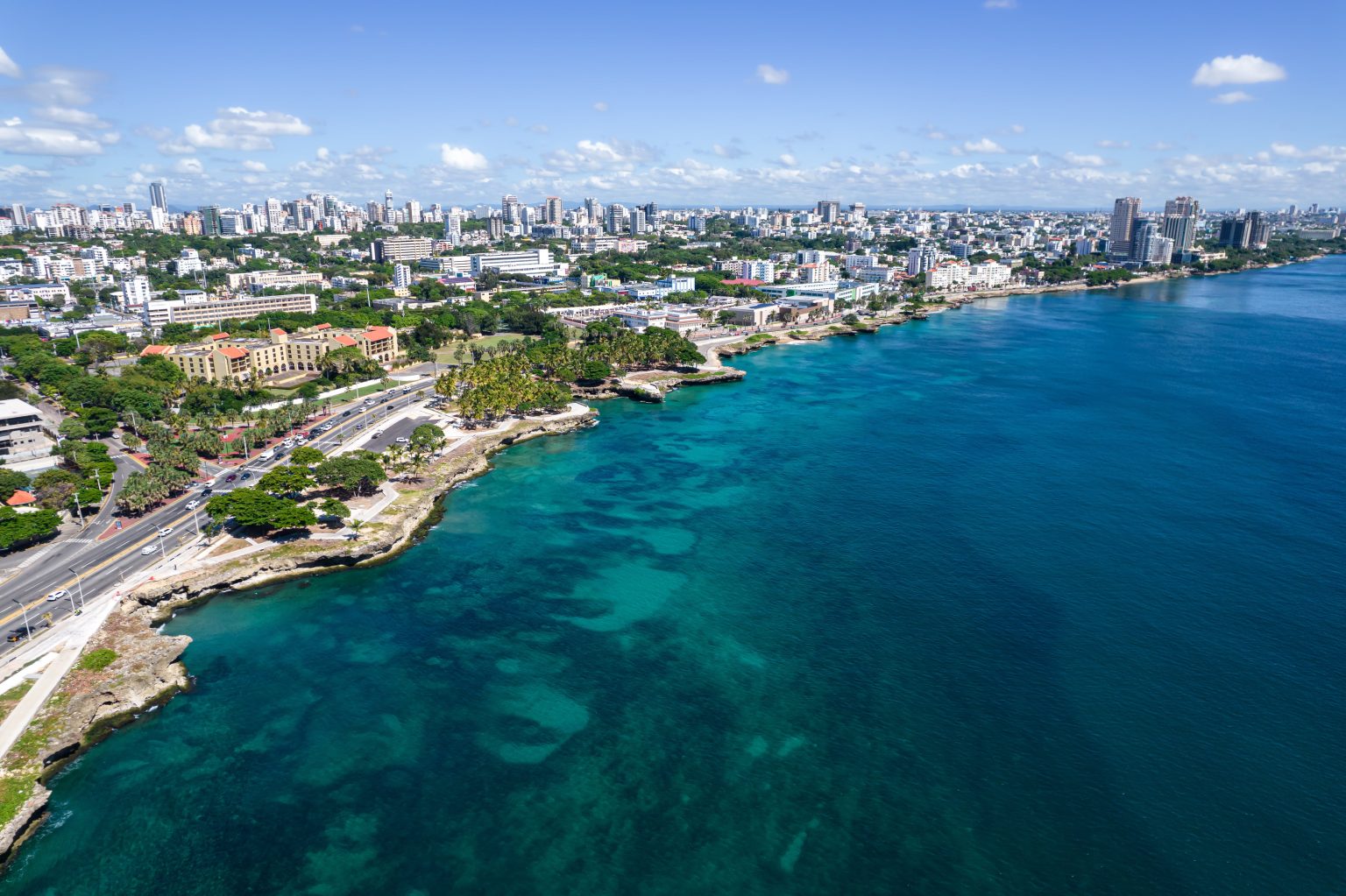
The city of Santo Domingo, capital of the Dominican Republic, is steeped in history. When it was founded at the end of the 15th century by the brother of Christopher Columbus, it became the first European city in what was known as the New World and the first seat of the Crown of Castile on American soil.
Although the Dominican Republic’s fame in terms of tourism is often associated with its beaches and numerous natural wonders, Santo Domingo is on its own merits, another of its most important attractions. In fact, the city receives more than one million visitors each year.
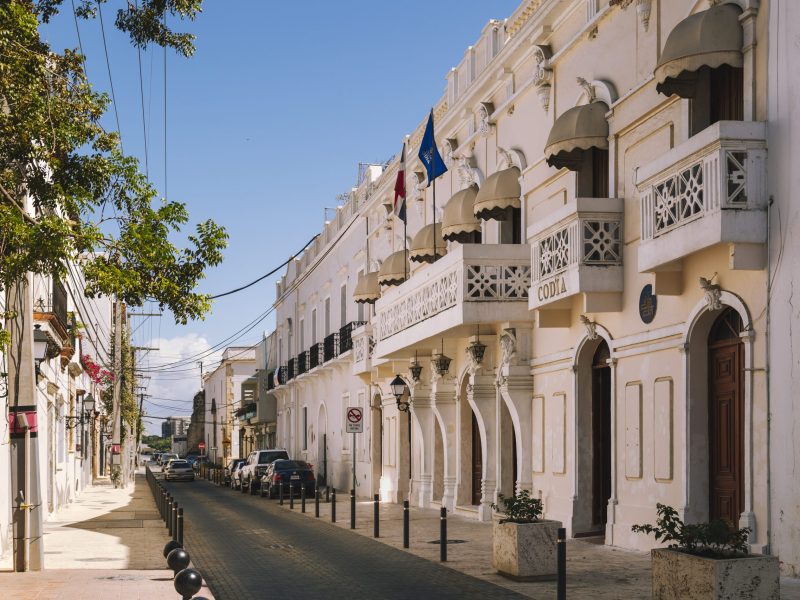
Its historic center, corresponding to the old colonial city, was declared a World Heritage Site by UNESCO and its narrow streets are home to most of the monuments and places of interest that we will review below.
But Santo Domingo is not all about culture and history. The capital of the country is the best place to enjoy the delicious Dominican cuisine, with a great variety of restaurants where it is possible to taste the best dishes of the local gastronomy for very attractive prices.
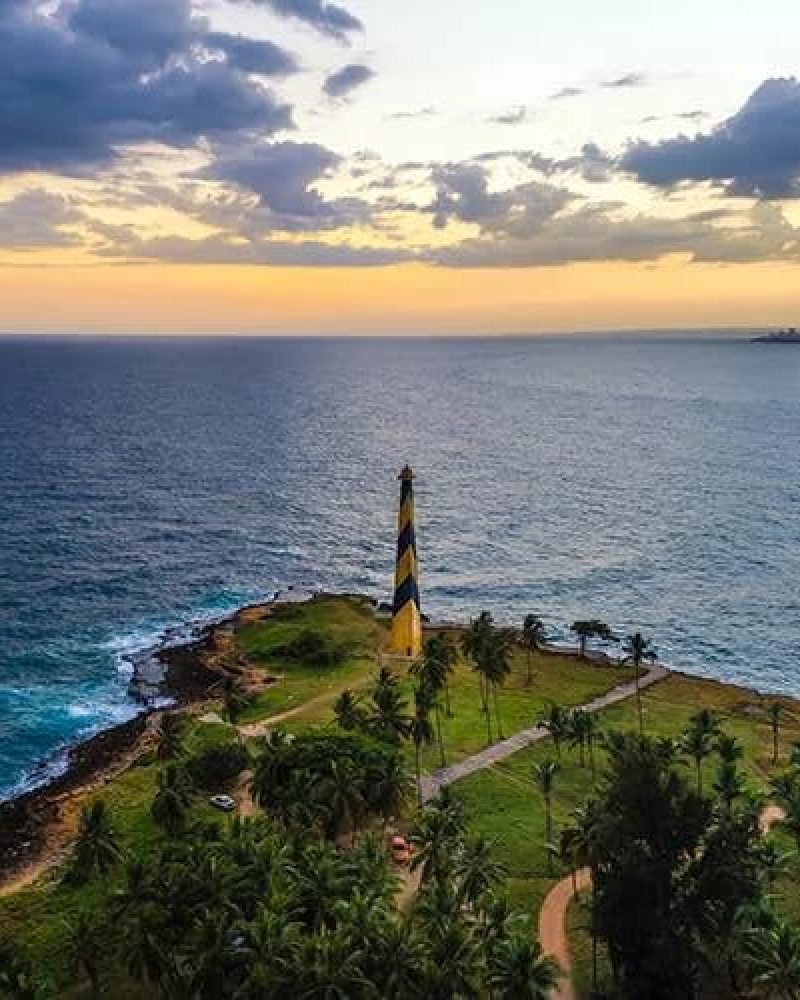
Faro a Colón
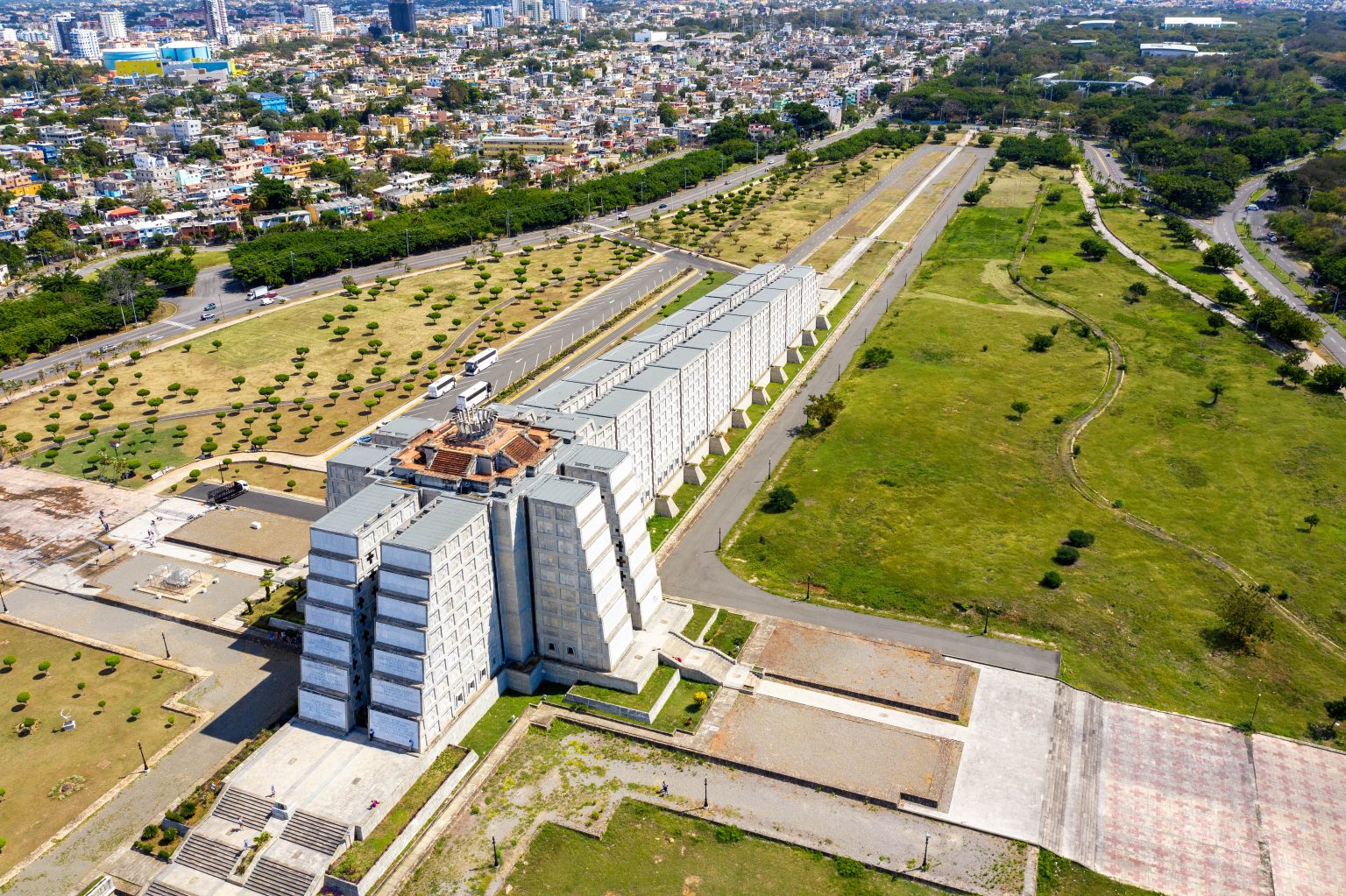
The construction of this imposing building took place on the 500th anniversary of the Discovery of the New World.
Faro a Colón is one of the tallest buildings on the island, with 37 meters high and 800 meters long. Its large dimensions are considerably increased on certain holidays, when it projects a beam of light in the shape of a cross, visible for 60 kilometers around.
The locals claimed for years that in the lighthouse, rested the remains of Christopher Columbus, although several investigations later showed that in fact, the real remains are located in the Cathedral of Seville in Spain.
What you can visit inside the building is a complete museum in honor of the people of Latin America.
Faro a Colón is one of the best places to see near Santo Domingo and although it is not part of the colonial city, you can reach it by cab or Uber in just ten minutes.
Three Eyes National Park
We still haven’t yet ventured into the historic center of the city. And the fact is that its surroundings are also home to several places of interest that are well worth visiting.
Very close to the Faro a Colón, the Three Eyes National Park is a good example of this.
If you travel by rental car or cab from the airport to the city, we recommend that you consider making a stop on the way before arriving, to get to know it.
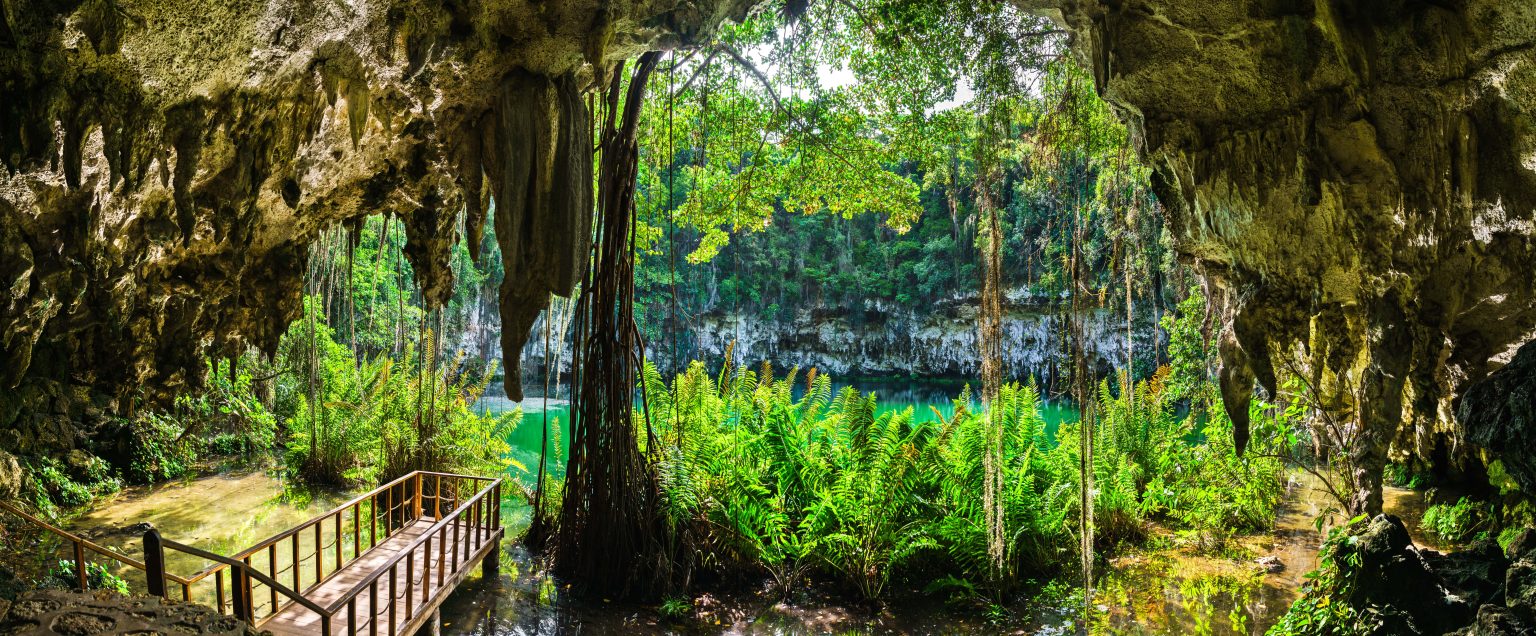
Situated just 8 kilometers from the center of Santo Domingo and is the best example of the many natural wonders hidden on the island.
The Three Eyes National Park is a complex of subway caves in limestone rock, filled with lakes of turquoise water. You can access its waters by renting a boat and contemplate the cave paintings on the rock walls, painted by the Tainos hundreds of years ago.
In addition, once outside, a new outdoor lagoon awaits you, which again, stands out for its crystal clear and turquoise waters, but this time, surrounded by lush Caribbean vegetation.
Calle El Conde
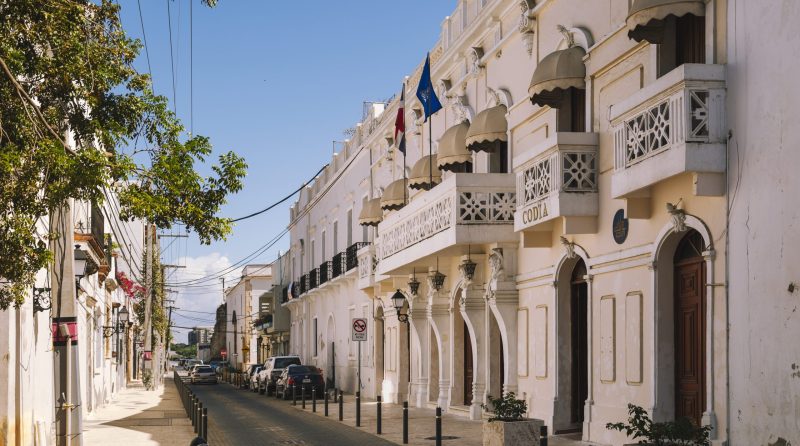
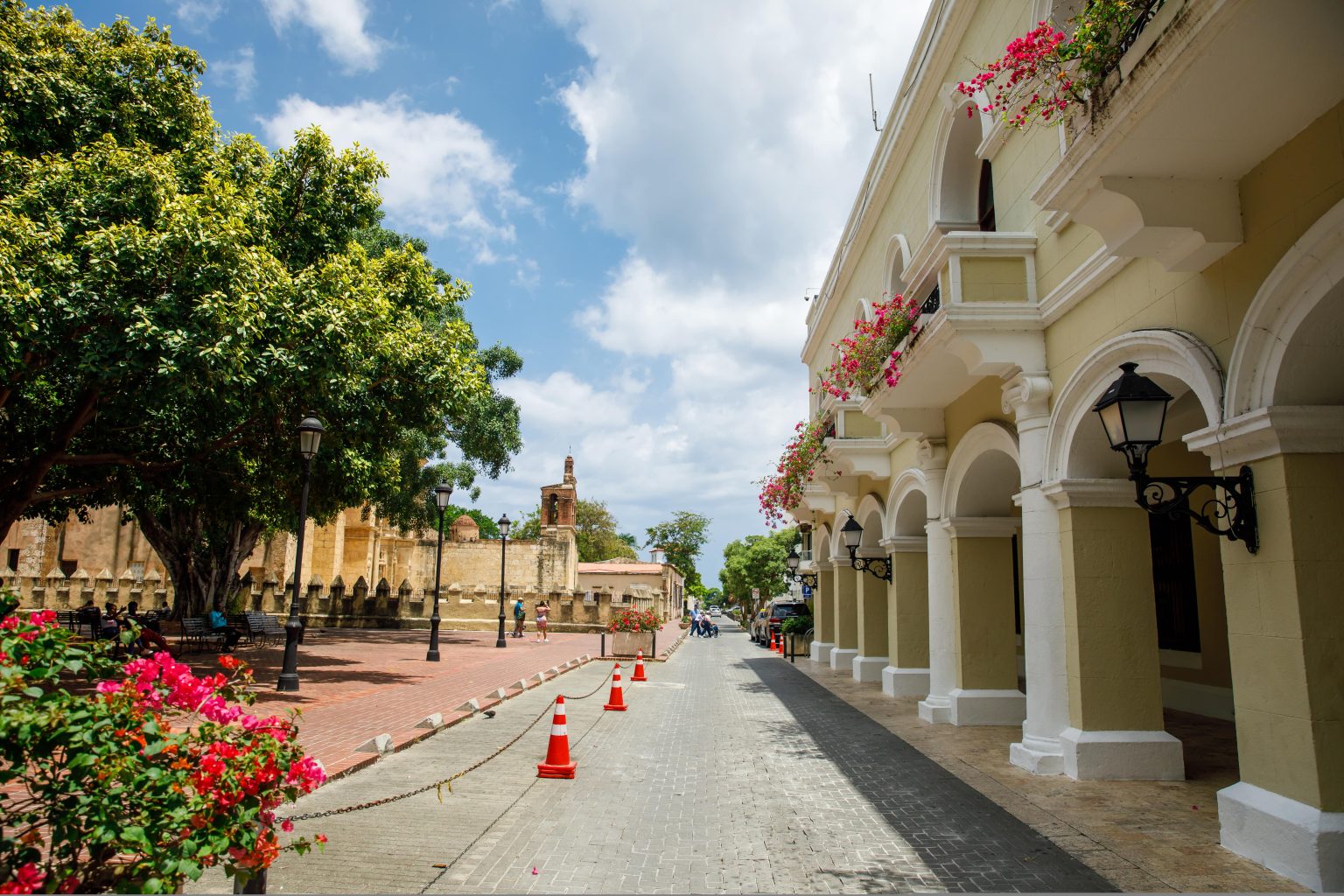
Once inside the historic center of Santo Domingo, we will start our tour of the city along its most important street: the famous Calle El Conde.
Its construction dates back to the end of the 15th century, being one of the oldest streets in the entire American continent.
It is the most important commercial street of the city, crossing the entire colonial city, from the Puerta del Conde to the Parque de Colón, ending on the banks of the Ozama River.
Moreover, to its many stores where you can buy all kinds of souvenirs, we recommend that you stop at one of its pastry shops to try some of the sweet delicacies that both locals and visitors enjoy.
Throughout its extension, you will find different architectural styles in the many buildings that compose it. Just when you see that these have a more colonial character, you will have arrived at its restaurant area, with some of the best options in the entire city to try the typical dishes of Dominican cuisine.
Puerta del Conde
Just at the beginning of the street we have just recommended, or at the end, depending on the direction you take, you will find another of the monuments to visit in Santo Domingo.
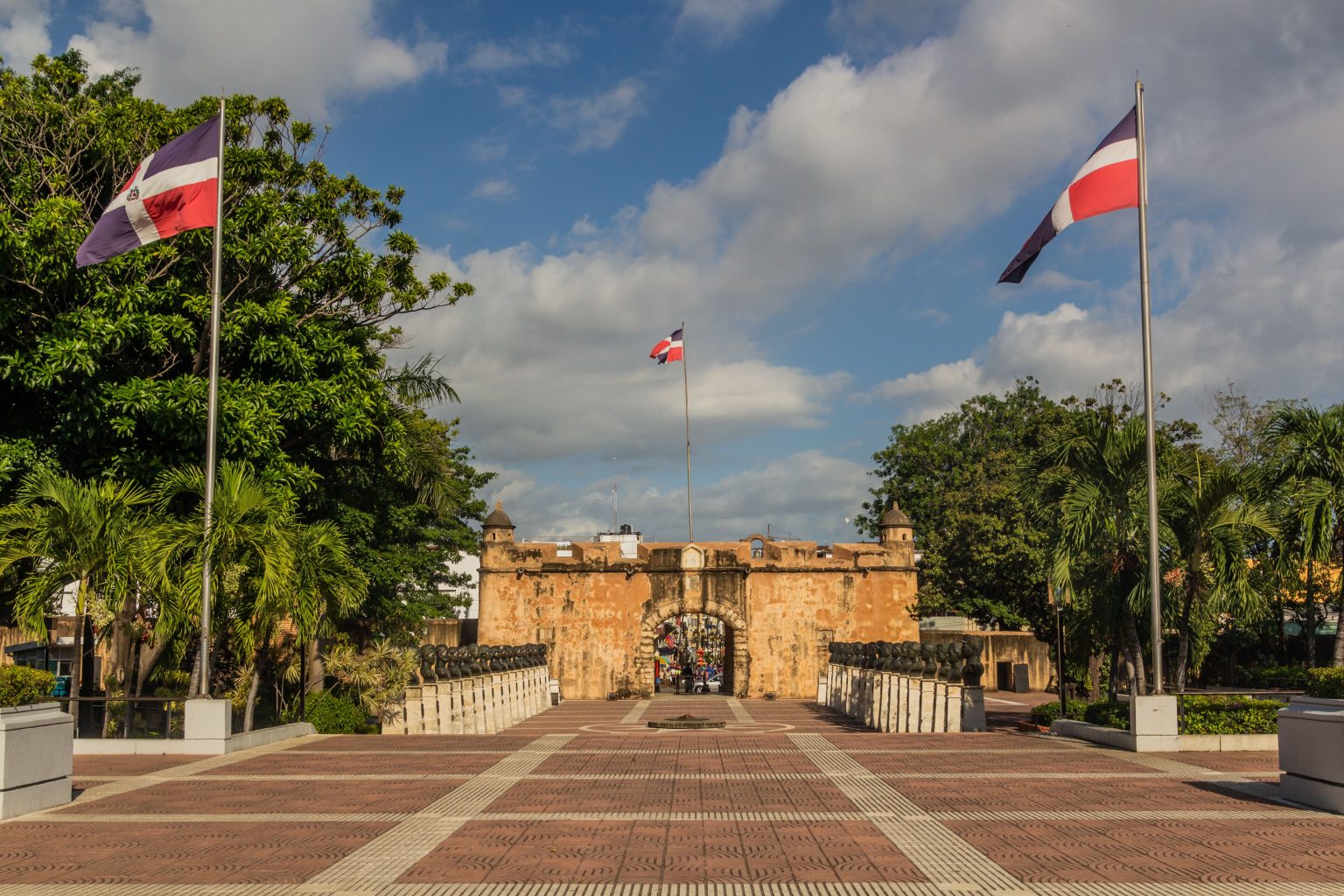
The Puerta del Conde is the main entrance to what was once the fortified city of Santo Domingo. From there, you can also access the Independence Park, scene of the proclamation of Independence of the Dominican Republic in 1884.
In the park you will enjoy the opportunity to visit a mausoleum built in marble, where the remains of the founding fathers of the country rest.
Right next to the Gate is also a fort, known as the Fort of the Conception, whose walls date from the seventeenth century and originally formed part of the wall that defended the city from possible attackers.
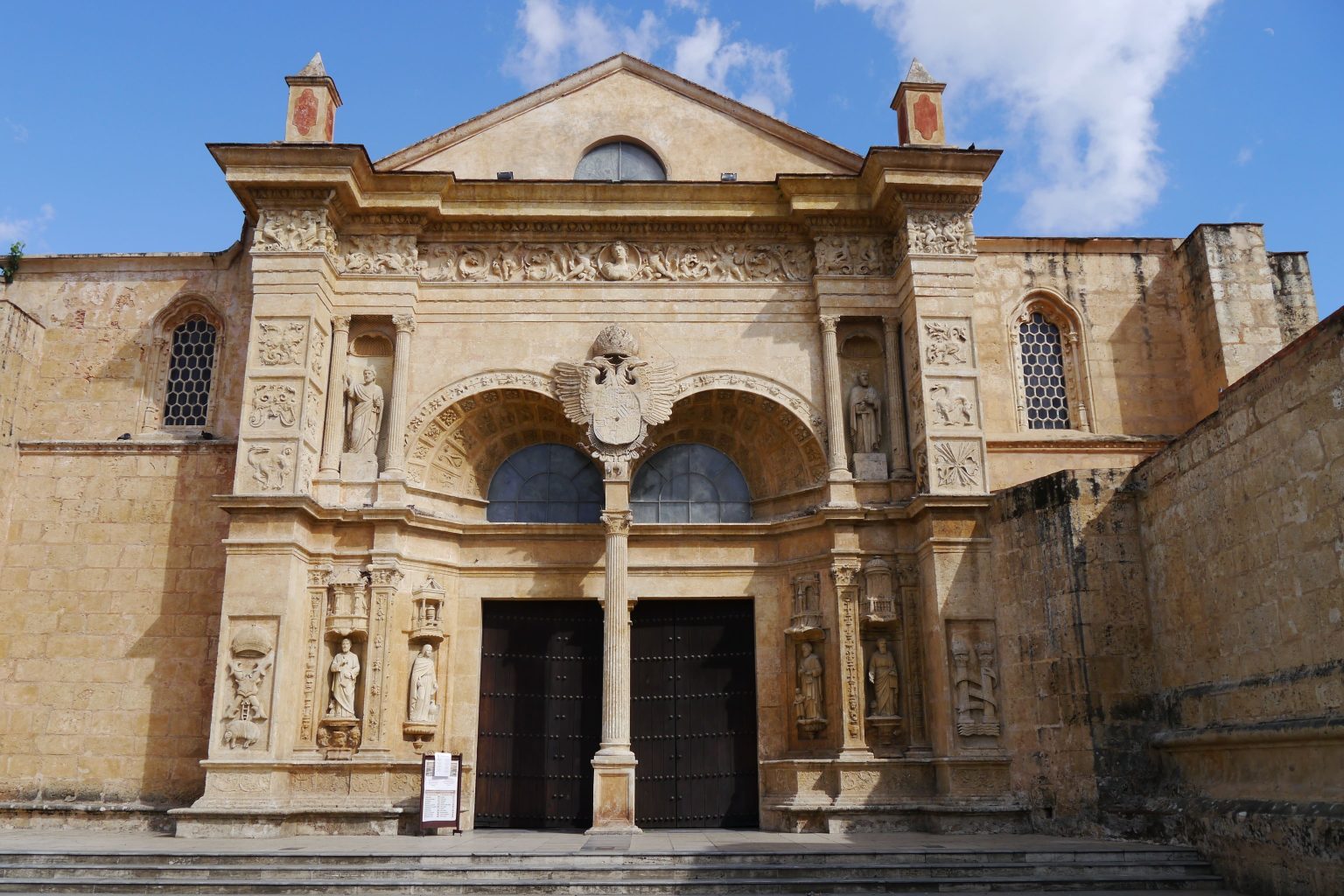
Catedral Primada
The Catedral Primada of America is the most important religious temple in the city of Santo Domingo. Like the Fort of the Conception, its walls were part of the ancient composition of the defensive wall of the city.
The Catedral Primada is the oldest in all of America and the only cathedral built in Gothic style in the entire American continent.
Although everyone knows it as the Catedral Primada of America, its official name is Santa Iglesia Catedral Basílica Metropolitana and it is said that it housed the remains of Christopher Columbus for several years. Although, as we mentioned before, the most recent scientific research has shown that the real remains are those that rest in the Cathedral of Seville.
Its imposing building contains 14 side chapels and three different access doors. In each chapel, you will find beautiful stained glass windows, murals and crypts, being the most beautiful of all, the Chapel of Santa Ana, with a marked Renaissance style.
During your visit to the Cathedral, you will be able to contemplate works of art such as the table of the Virgin of Altagracia, a varied collection of paintings and other objects of incalculable historical value. The remains of Simón Bolívar, popularly known as the Liberator of America, lie next to the Cathedral.
Fortaleza de Ozama
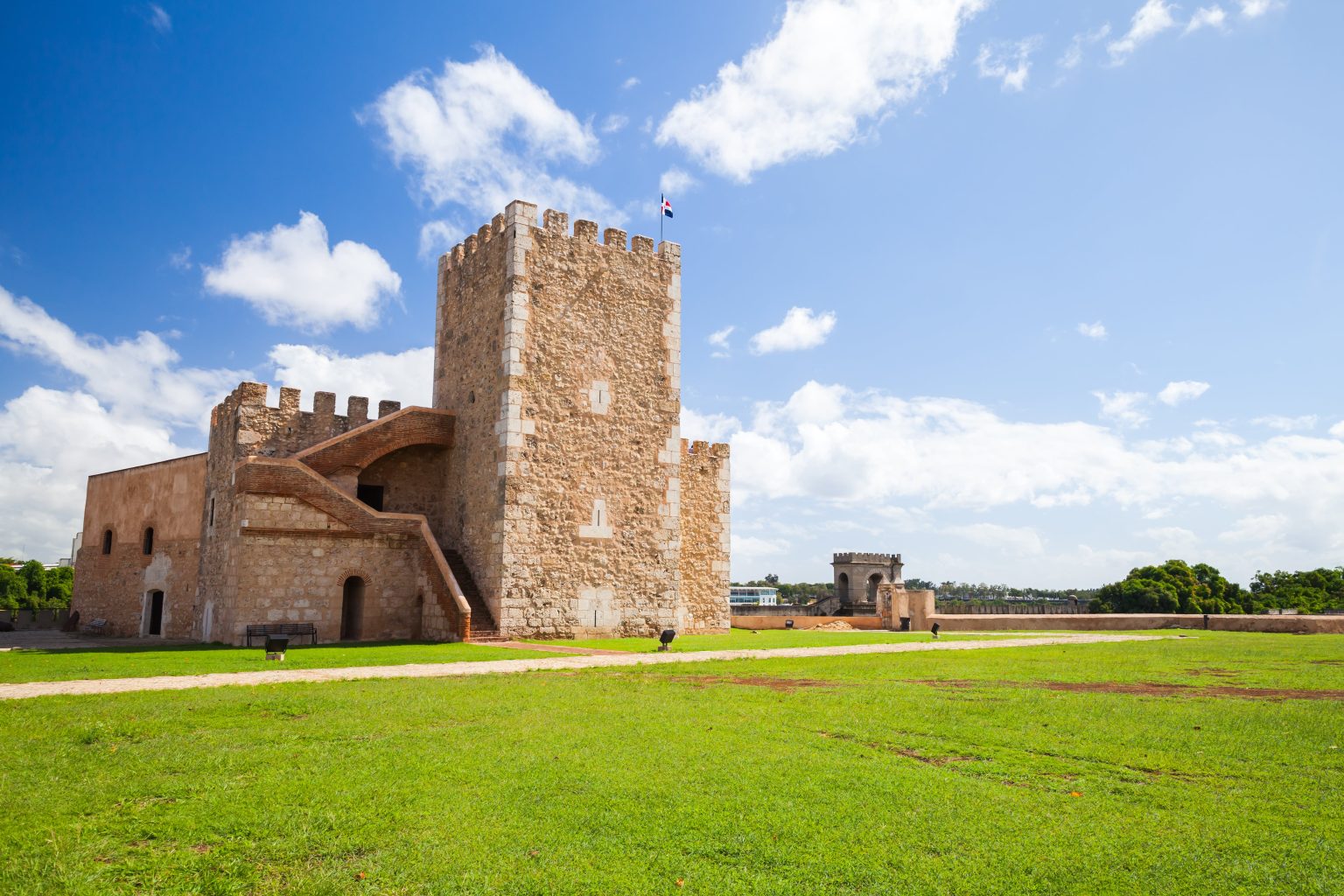
The impressive Fortaleza de Ozama is one of the best places to see in Santo Domingo.
This fortress, more than five centuries old, is located right next to the Ozama River, with which it shares its name.
It is the oldest fortress built by European settlers preserved today.
Its interior surprises visitors, particularly with its spiral staircase that will allow you to ascend to its highest part, where you can enjoy one of the best panoramic views of Santo Domingo.
Declared a World Heritage Site by UNESCO, before being known as the Fortaleza de Ozama, it was called the Torre del Homenaje or the Torre de Vigilancia.
Its upper area has seen different flags flying throughout its history, from the Spanish to the Dominican Republic and in between, the United States, France, England and Haiti.
In addition to the aforementioned spiral staircase, your visit will allow you to discover such relevant elements as the Torre del Homenaje, the Statue of Gonzalo Fernández de Oviedo, the Fort of Santiago, the Powder Magazine, the Low and High Shooting Platform or the Portal of Carlos III.
Museum of the Royal Houses
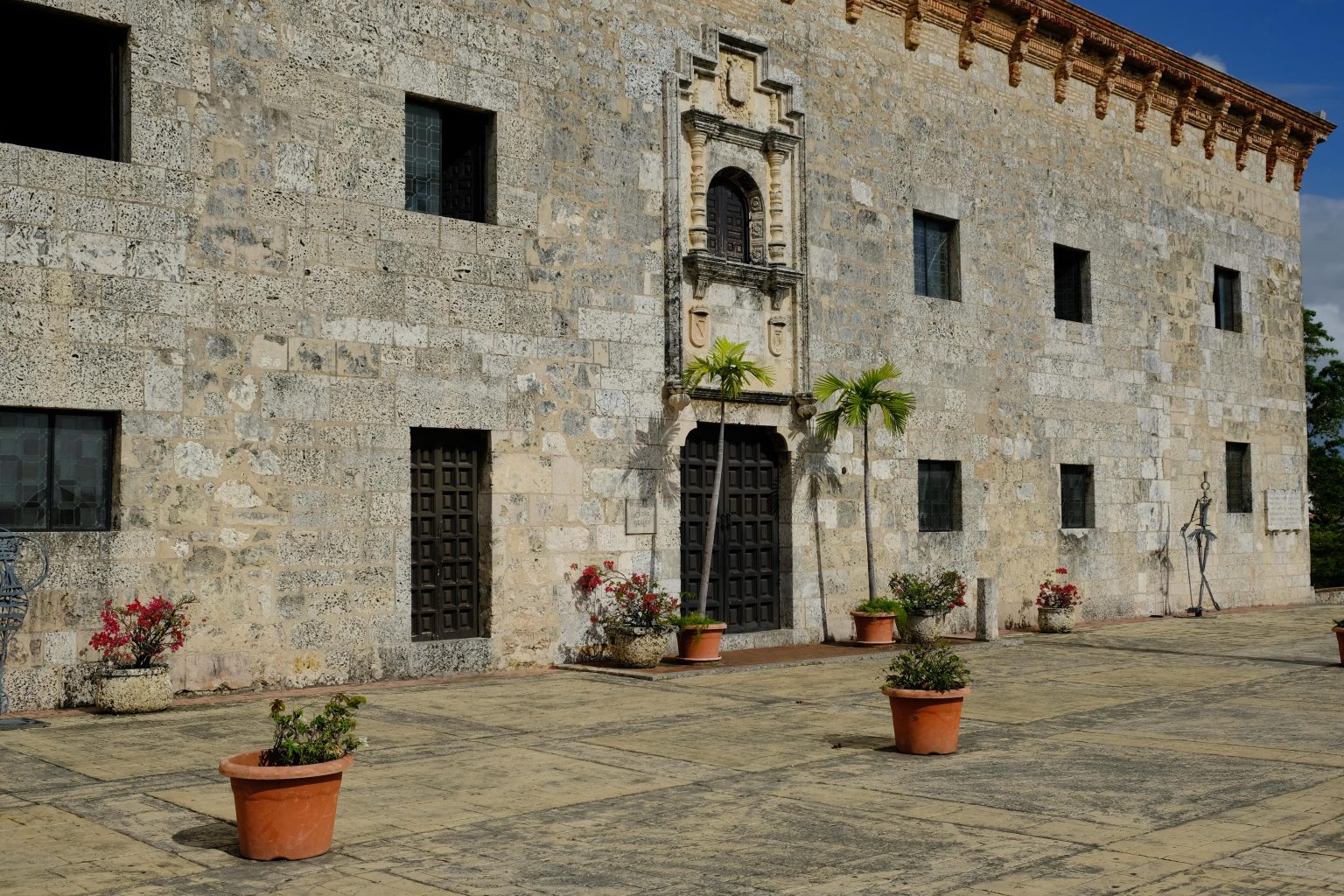
Located next to the Panteón de la Patria, which we will speak about later, this museum is one of the oldest in all Latin America. Its construction dates back to 1511 under the orders of King Ferdinand II of Aragon, with the intention of serving as headquarters for the government offices of the New World.
Later, this beautiful building served as a residence for high military ranks and Governors and even today, retains its distinct colonial style as the most distinguishing feature.
Inside, you will find different objects of the time, such as furniture or maritime maps of Christopher Columbus himself, as well as carriages and even treasures found in sunken galleons.
Before you leave, we recommend that you take time to take a picture with the famous sundial that is located just in front of it, on a stone column.
Calle de las Damas
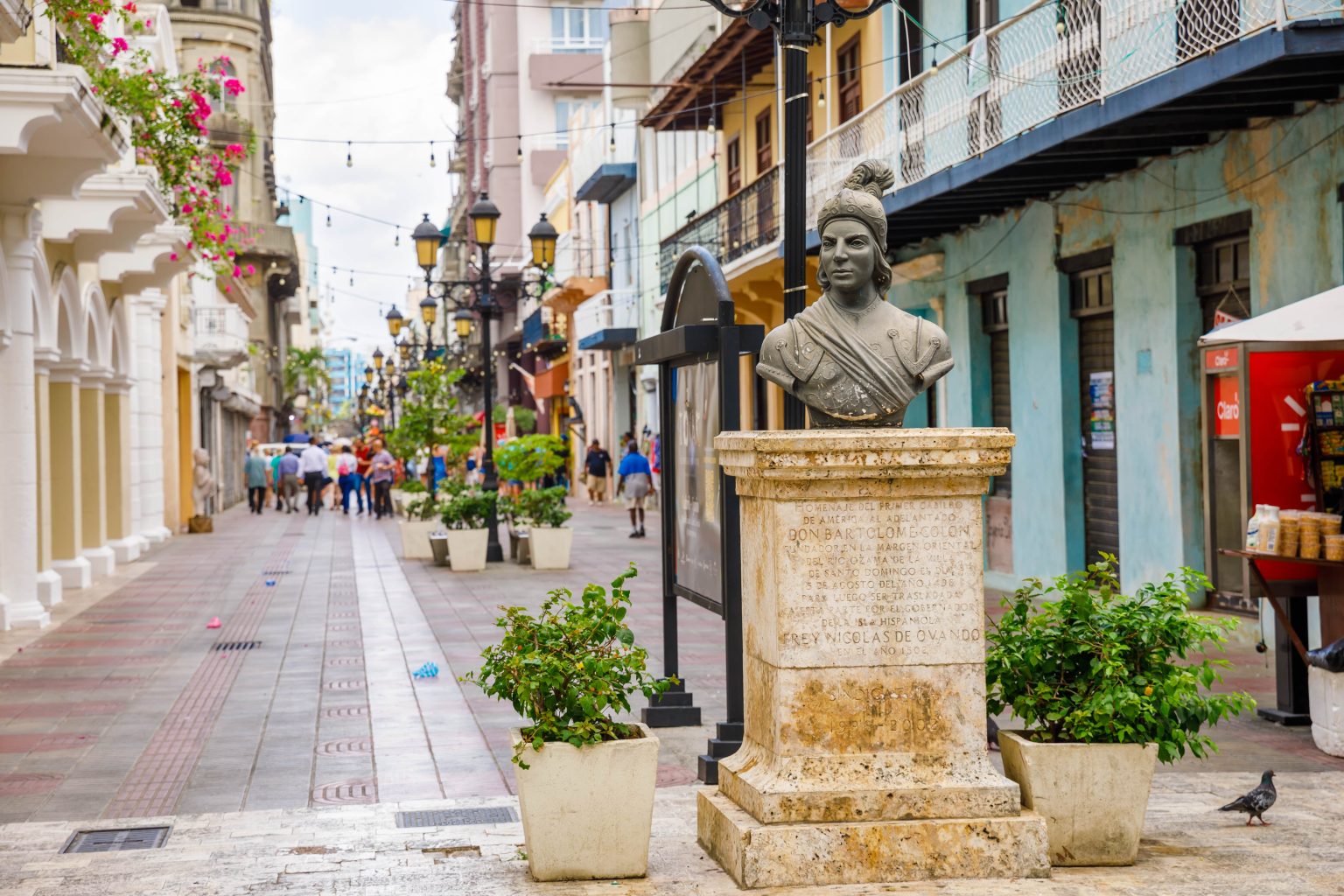
One of the perpendicular streets to the Calle del Conde and as important and famous as this one in the city.
The Calle de las Damas is the oldest street in the colonial city and the beautiful colonial buildings that you will find along its route are the best proof of this.
One of them is the recently mentioned Museum of the Royal Houses, but other highlights include the Jesuit Church, the Casa de la Familia Dávila, the Casa de Hernán Cortés and, of course, the spectacular Fortaleza Ozama.
Its name comes from the ladies of the court of Viceroy Diego Columbus, who used to stroll through it, like his wife Maria de Toledo.
In addition to its many stores and cafes, you can also visit the National Pantheon and the Cacoa Museum.
Calle de las Damas offers a trip to the past, through a route that will allow you to explore the history behind each building and monument.
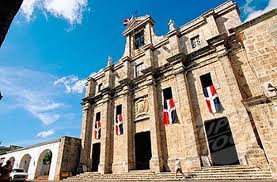
Panteón de la Patria
The Panteón de la Patria is another must-see in the city of Santo Domingo.
Its walls shelter the remains of several prominent figures in the country’s political history, as well as housing a small tribute to the fallen, with a flame that is always kept lit.
But this beautiful building, built between 1714 and 1755, has not always functioned as the National Pantheon. In fact, it was originally a Jesuit church and after the expulsion of the order from the country, it was used as a tobacco warehouse, theater and government office. It was not until the second half of the 20th century when it acquired its current character.
If you have the opportunity to visit it, you will see the Honor Guard that guards it permanently, with soldiers of the presidential guard dressed in the classic uniform.
Columbus Park
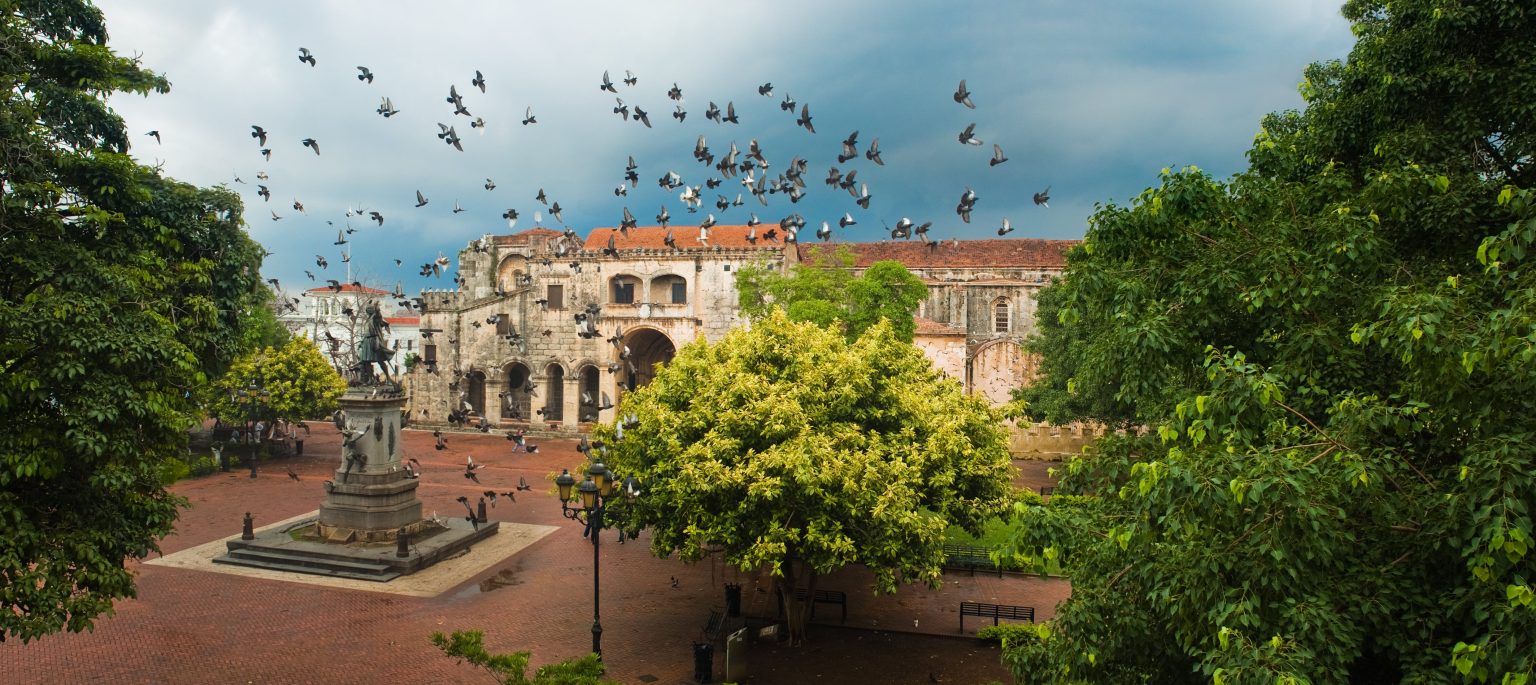
More than a park, it could well be called the Plaza de Colón, as its appearance is more reminiscent of this type of space. Be that as it may, Columbus Park is undoubtedly one of the places to see in Santo Domingo.
Right in the center, you will find the statue of Christopher Columbus, who on this occasion, points north with his index finger.
Santo Domingo Park is one of the busiest areas of the city, with several bars and restaurants where you can sit down for a drink and make a stop along the way on your visit, while watching the many pigeons that crowd the square every day.
This beautiful park was included in the list of the best public spaces in the world by the American NGO Project for Public Spaces, which promotes public spaces aimed at strengthening community life.
Plaza de España
Plaza de España stands out especially for its spaciousness and for the numerous shows that take place inside it. It is a regular venue for concerts and other outdoor activities.
Right in the center of the square, the statue of Nicolás de Ovando, one of the first governors of the city, awaits you.
Also known as the Plaza de la Hispanidad, it is the perfect place to enjoy the authentic Dominican atmosphere outdoors, with plenty of bars that take out their terraces at sunset.
If you plan to party during your holidays in the city, this square is the best starting point.

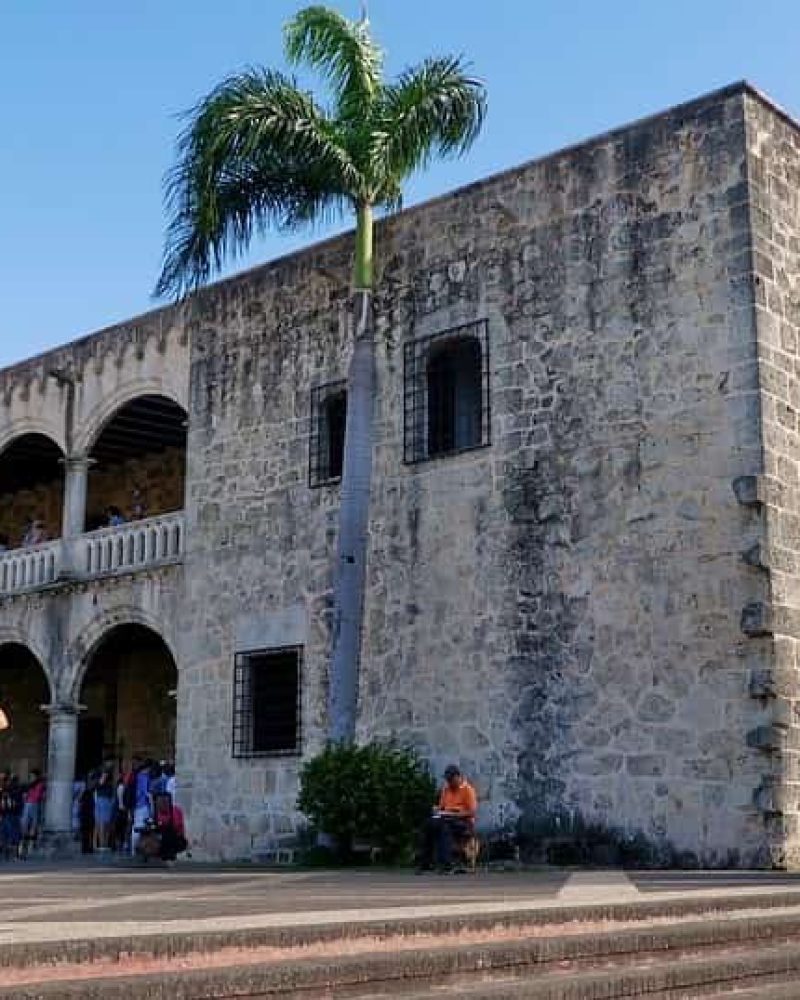
Alcazar de Colon
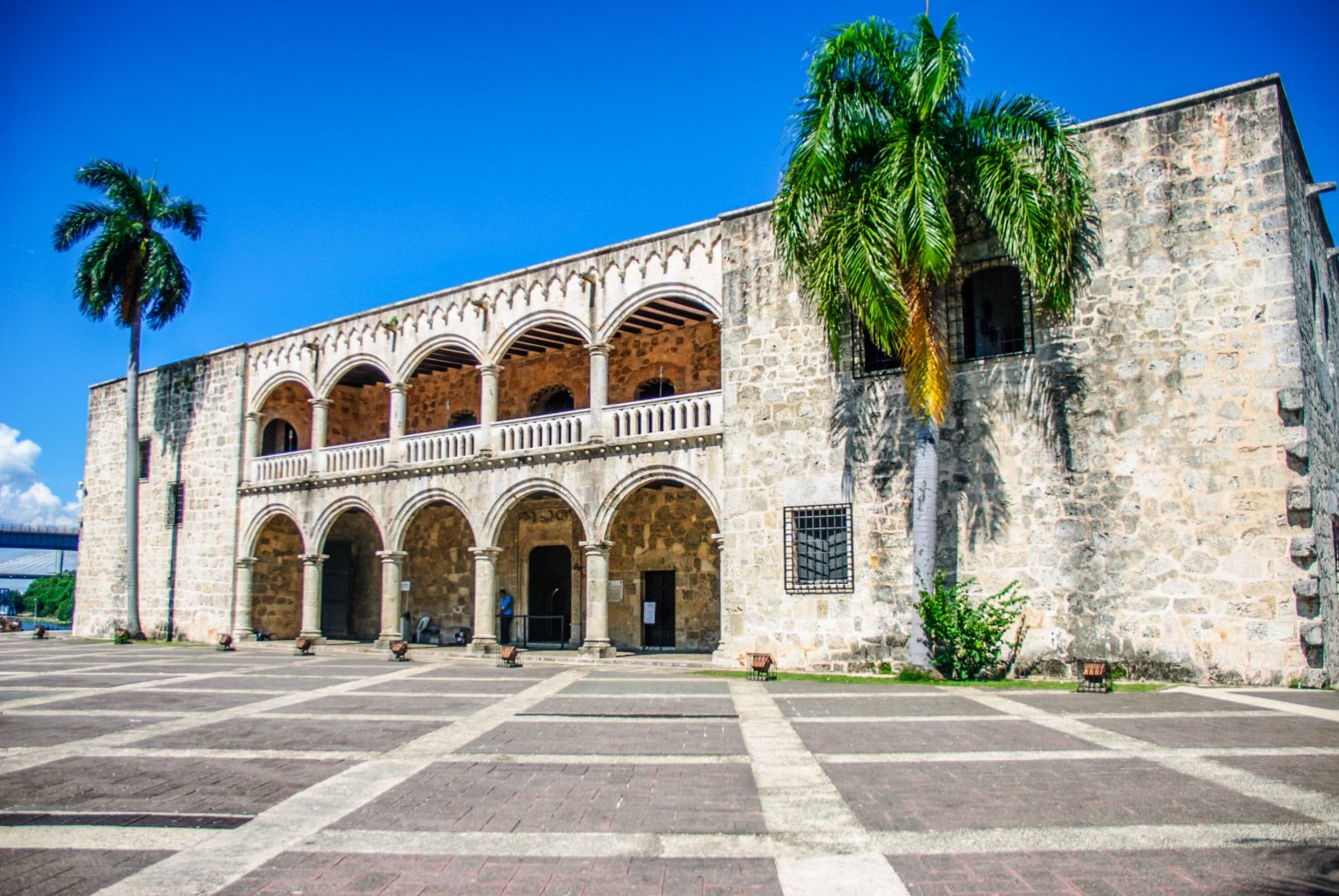
Without leaving the Plaza de España, we find one of the most important and emblematic buildings of the city, the historic Alcázar de Colón.
This 16th-century palace, which over the years has become one of the symbols of the city of Santo Domingo, houses a museum with objects and documents from the colonial era.
Its construction was ordered by Ferdinand the Catholic to be the residence of Christopher Columbus’ first-born son, Diego Columbus, who was governor of Hispaniola after Nicolas Ovando.
Built in Gothic and Renaissance style, it is said to be the oldest palace on the continent.
Throughout its long history, its interiors have been witness to numerous balls and receptions that brought together the most distinguished of the colonial elite.
In one of its latest renovations, workers found secret passages and hidden rooms within its walls, believed to have been designed as a measure of protection and escape in case of siege or to hide valuables and important documents.
Monasterio de San Francisco
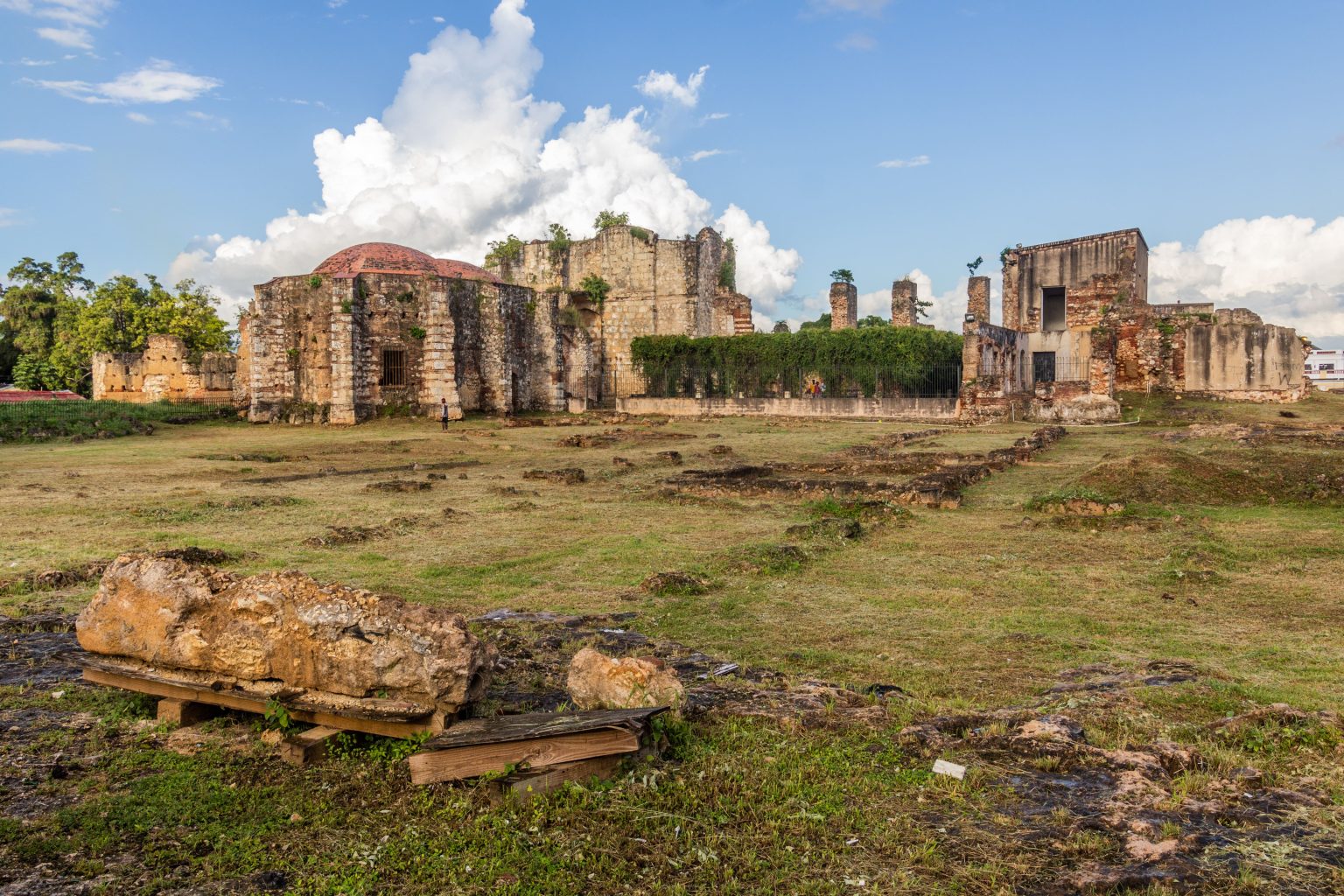
And from the first palace in America, we move on to the first monastery on the continent. In this case, it was the governor Nicolás Obando who ordered its construction to shelter the recently arrived Franciscan Fathers, from the European continent.
Since its construction at the beginning of the 16th century, it has suffered from pirate attacks to earthquakes, until reaching its current state. However, its ruins, with the presence of vegetation growing among its rocks, make for a highly recommended visit. In fact, they were declared a World Heritage Site by UNESCO in 1990 for their incalculable historical value.
The walls and structures that remain standing today are open to the public so that anyone who wishes to walk among them and soak up their history.
Malecón
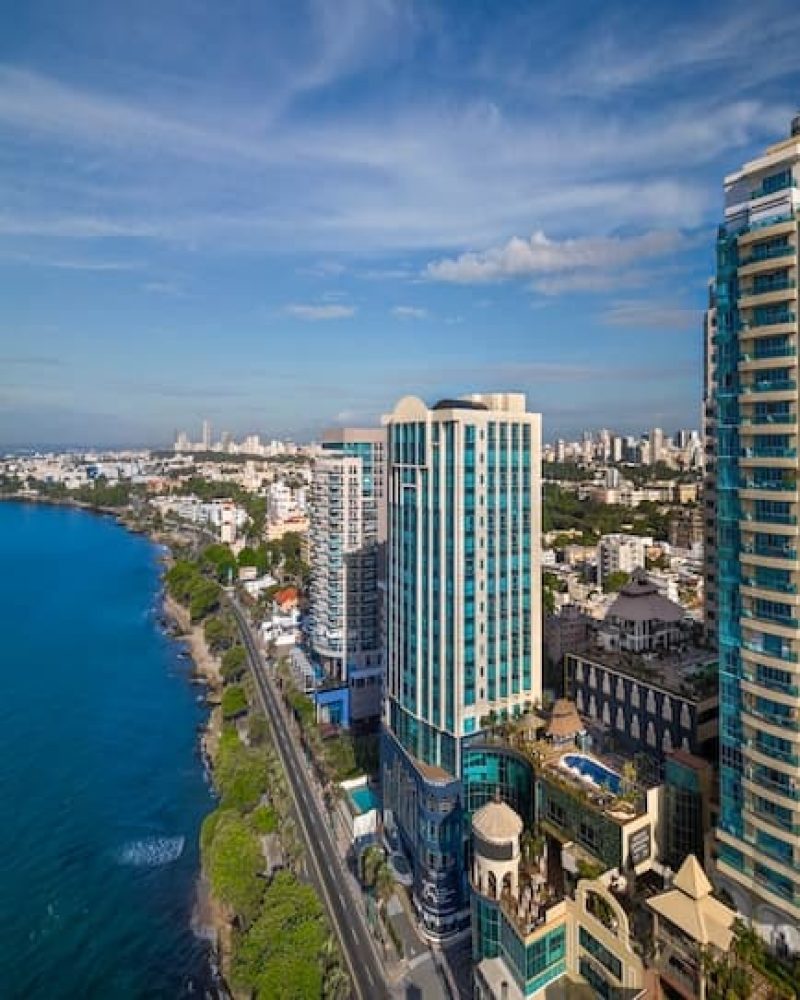
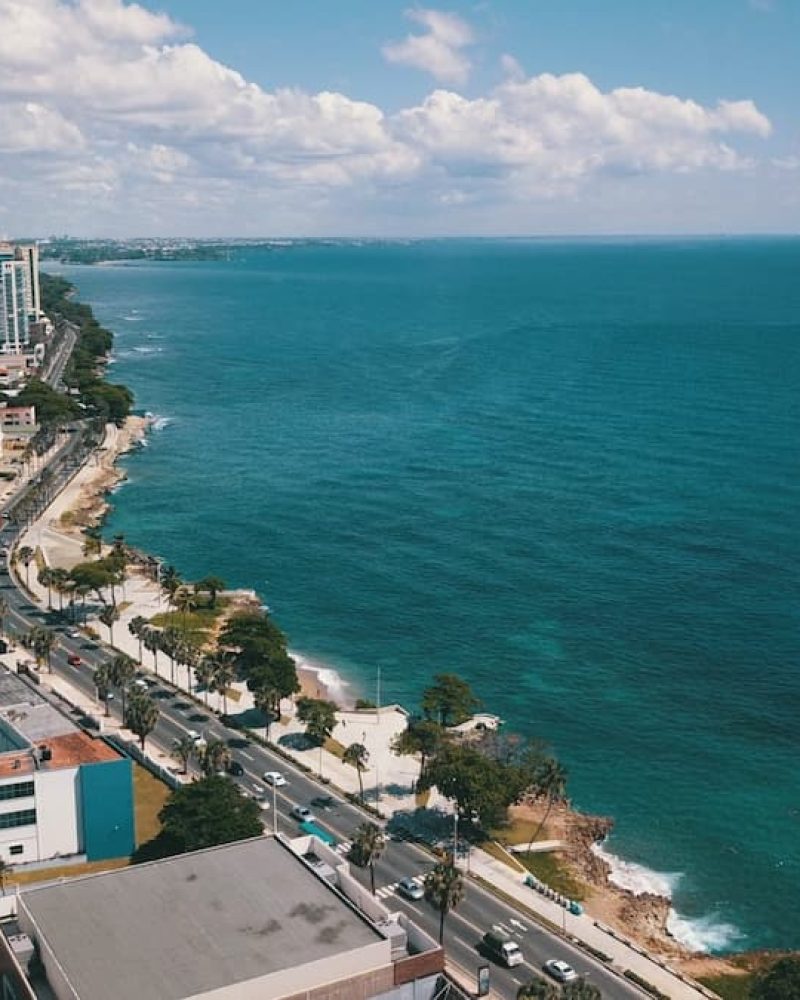
We end our list with one of the best things to do in Santo Domingo: a walk along the Caribbean Sea.
The city’s Malecón is the ideal place to enjoy a nice walk at sunset.
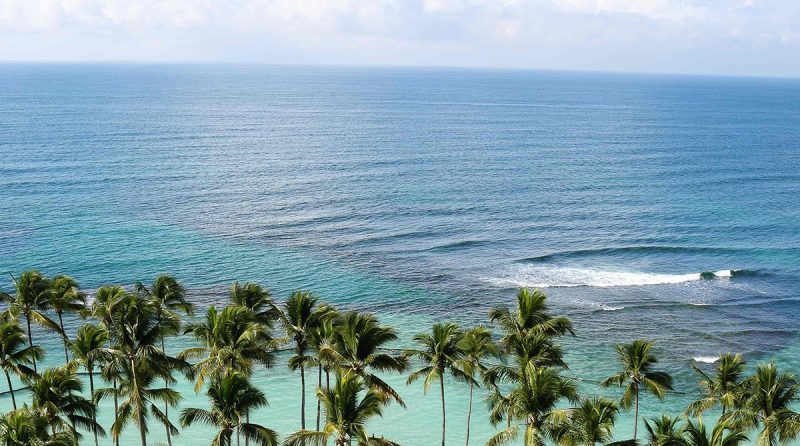
Its 14 kilometers are perfect for a little running, biking or simply walking while enjoying a dreamy postcard: the Caribbean Sea and its colors at sunset.
Along its length, you will find monuments such as the one dedicated to Fray Antonio de Montesinos or the Monument to Financial Independence, located next to the Fort of San Gil.
But our advice is to dedicate yourself to enjoying the Caribbean. It is not every day that you have the opportunity to stroll along one of the most beautiful seas in the world.
Frequently Asked Questions Santo Domingo
What are the must-see places in Santo Domingo?
Santo Domingo is full of places not to be missed. Among its many charms, the colonial city stands out above all, corresponding to its historic center, with its Catedral Primada, the Alcázar de Colón and the Fortaleza de Ozama as the most important buildings.
Where to eat in Santo Domingo?
You will find numerous restaurants where to eat in Santo Domingo the best typical Dominican dishes, but the best rated are located in Colon Street or the Plaza de la Hispanidad.
What is the currency in Santo Domingo?
The official currency of the Dominican Republic is the Dominican Peso.
In most commercial establishments in the colonial city, payment by credit card and even in dollars is allowed, but our recommendation is that before the trip, you exchange money into the local currency to take advantage of the best prices.
When is the best time to visit Santo Domingo?
In order to avoid the rainy season, the best time to visit Santo Domingo is between the months of November and April, both included. Sunshine and pleasant temperatures are practically guaranteed.
How many days are recommended in Santo Domingo?
We recommend at least three days in Santo Domingo. This way you will be able to visit the city stopping at its most important buildings and monuments, learning about its history and enjoying its life and gastronomy.
What documents are needed to travel to Santo Domingo?
To travel to beautiful Santo Domingo, you will need to fill in the so-called E-Ticket, a digital form that you have to fill in a couple of days before your arrival. However, if you do not plan to spend more than 30 days in the country, you will not need a visa. Moreover, you will need a passport valid for at least 6 months, a proof of economic solvency for your stay in the country and a round-trip plane ticket.
Plans not to be missed in Santo Domingo
Explore our hotels in Santo Domingo

Apply the Rewards rate free of charge with your booking
Best price guaranteed
Earn Travel cash with each booking
Free upgrade