Granada is a magical city, one of those destinations that make visitors fall in love with its countless historical gems and true gastronomic delights.
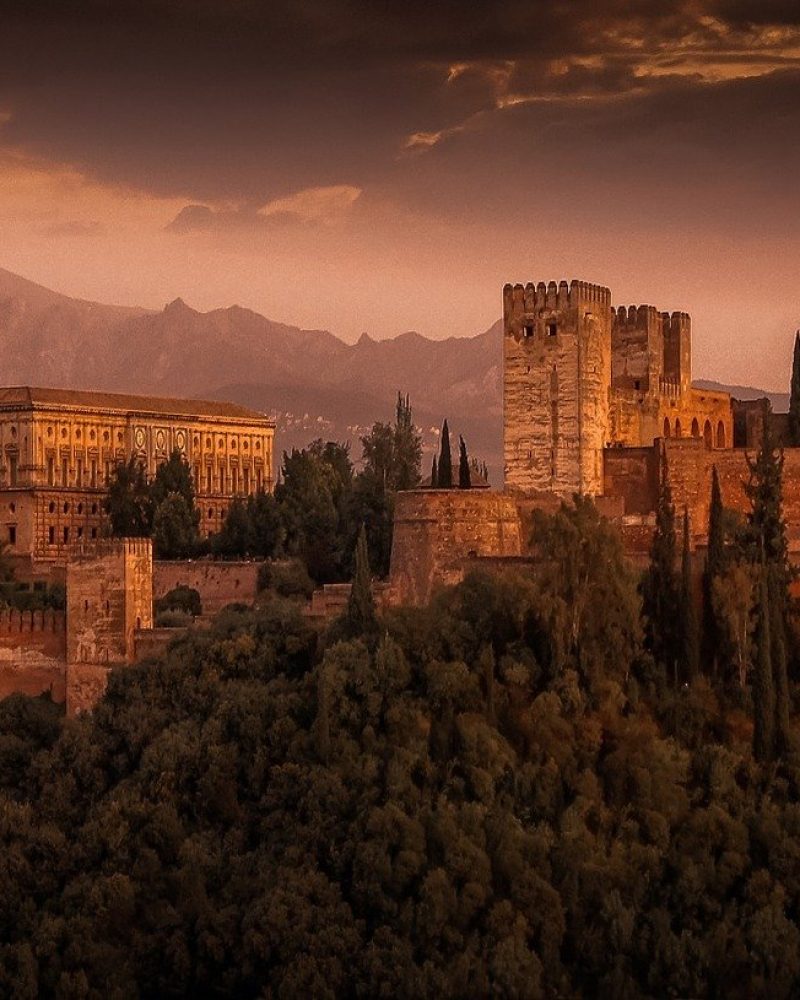
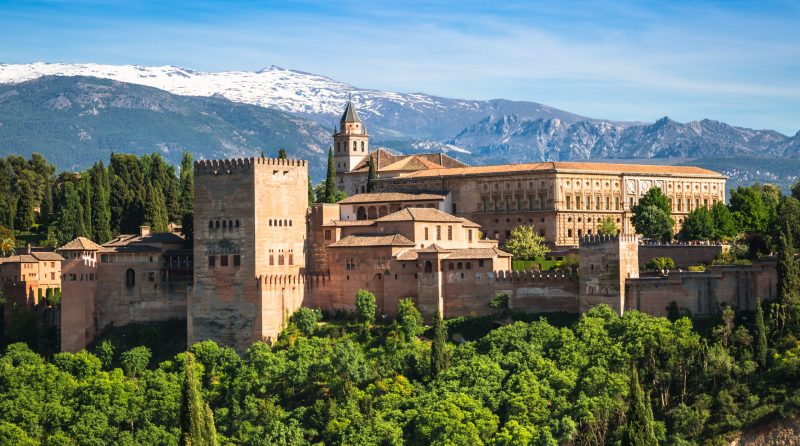
The city of the Alhambra, which is surely one of the most beautiful and important monuments in Spain, envelops the traveler with its special aura from the first walk. This mixture of bohemian and festive atmosphere, with its incomparable history and the atmosphere of its narrow streets, full of tapas bars, create an unrepeatable composition.
There are so many treasures, that even though it is a small city, we recommend that you dedicate at least four days to visit it. Keep in mind that just visiting the Alhambra can take up an entire day.
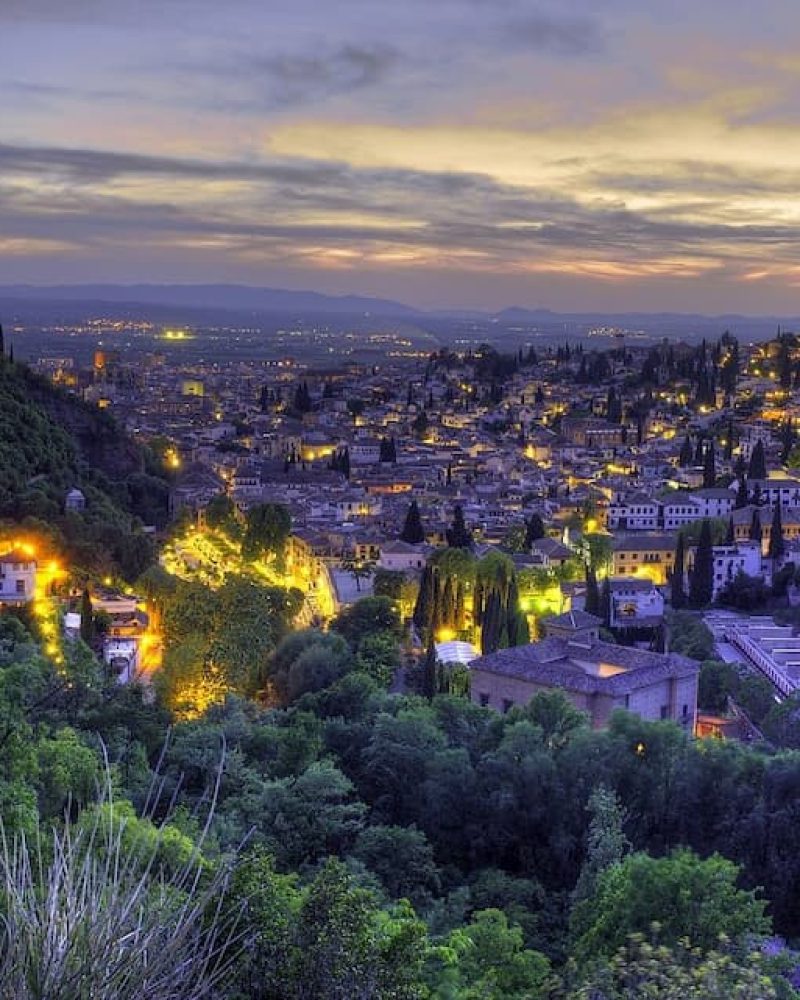
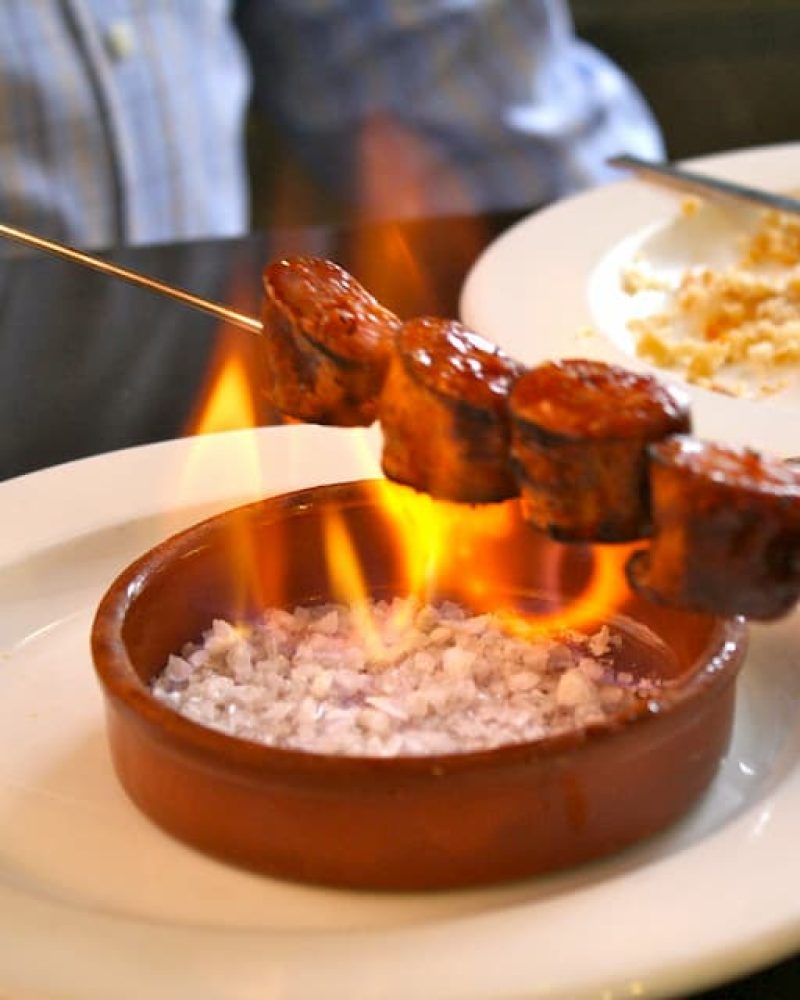
Granada sounds like flamenco, but also the flowing water of its river and fountains. Granada tastes like meat in sauce, snails or fried fish. It smells of flowers in the gardens of the Alhambra and incense in its craft stores. But undoubtedly, the most beautiful thing of all, is to contemplate it. Some say that the views from the Mirador de San Nicolás are incredible to take a photo.
If you are lucky enough to enjoy a vacation in Granada soon, we can only congratulate you, because you are about to discover a spectacular city.
Days of long walks through its cobblestone alleys await you, but also real culinary feasts in its famous restaurants and tapas bars. In Granada, any type of tourism becomes a dream experience. Ready to embark on an unforgettable journey full of culture, history and unique flavors? Here are all the gems that await you at your next destination.
Table of Contents
Granada Alhambra
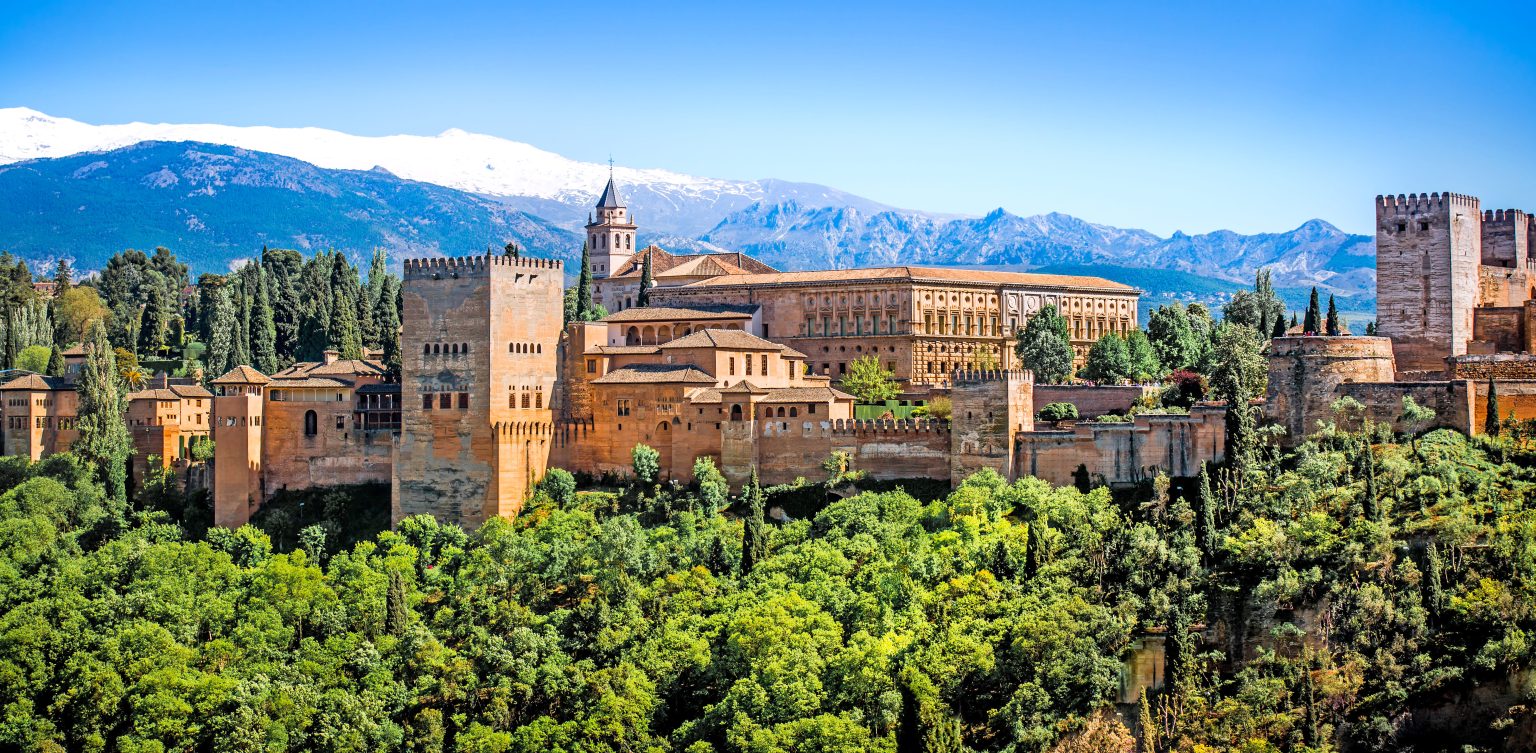
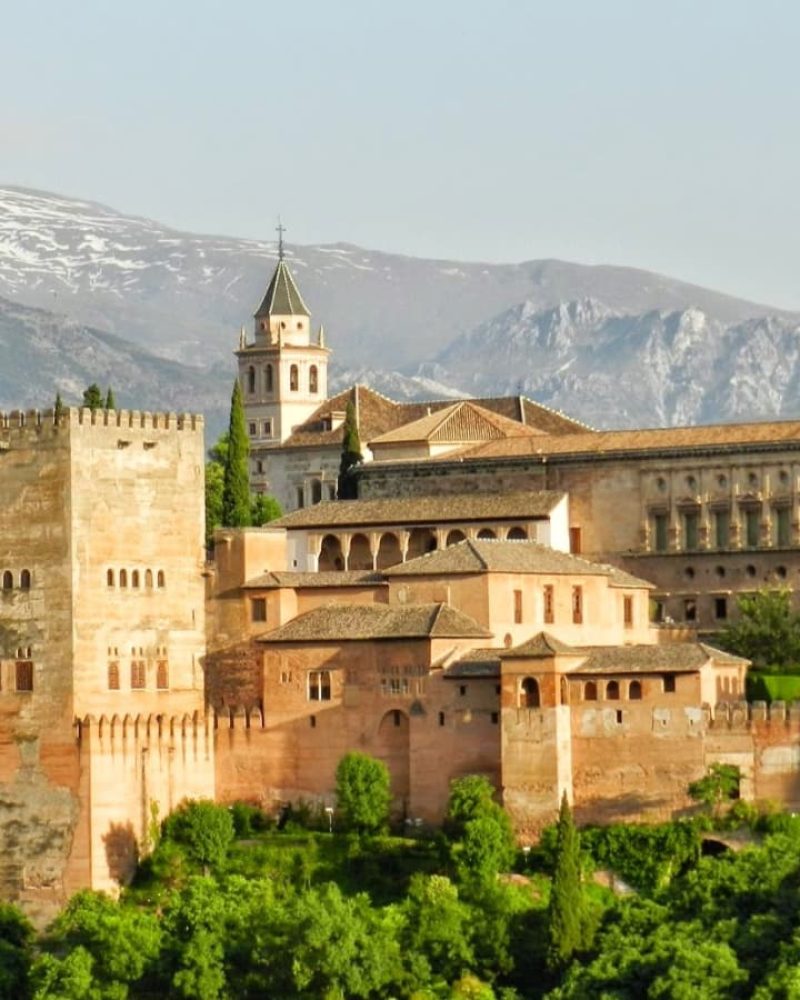
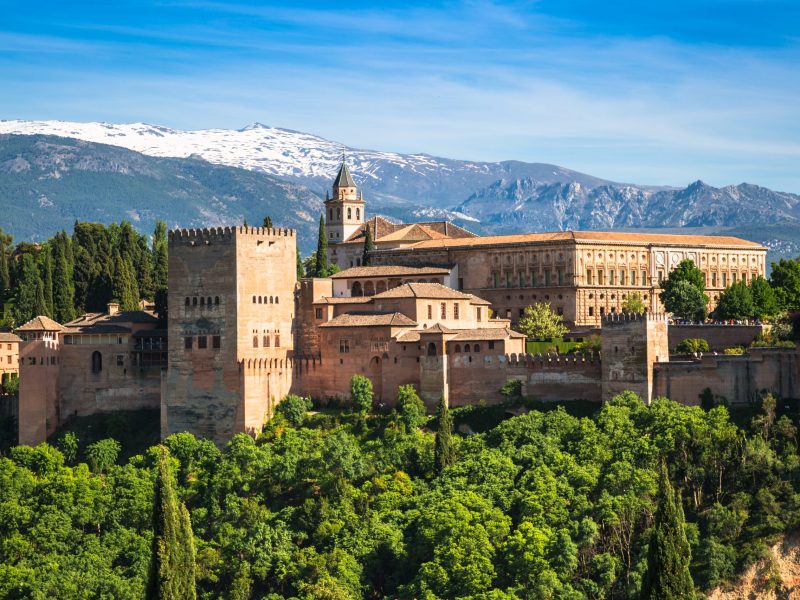
A spectacular complex of palaces and fortresses built during the Nasrid reign in Granada, it has rightfully become the symbol of the city.
It is one of the most visited monuments in Spain and one of the best preserved vestiges of the Muslim empire in Europe. But it is not only its incredible level of conservation that makes it a special place. Its beauty is truly breathtaking.
On the banks of the Darro River and elevated on the hill of Sabika, the entrance to the site is in itself a journey into the Muslim era of the Iberian Peninsula, with Arab palaces whose interior and exterior is practically intact, citadels that could still serve to ensure the safety of the site and landscaped courtyards.
The origins of this small city date back to the 9th century, which makes it even more special. And of course, as often happens in these cases, it is not always easy to find tickets available to access all its charms. Therefore, if you plan to travel to Granada and you want to visit it (it is a must), it is best to book tickets in advance through the internet.
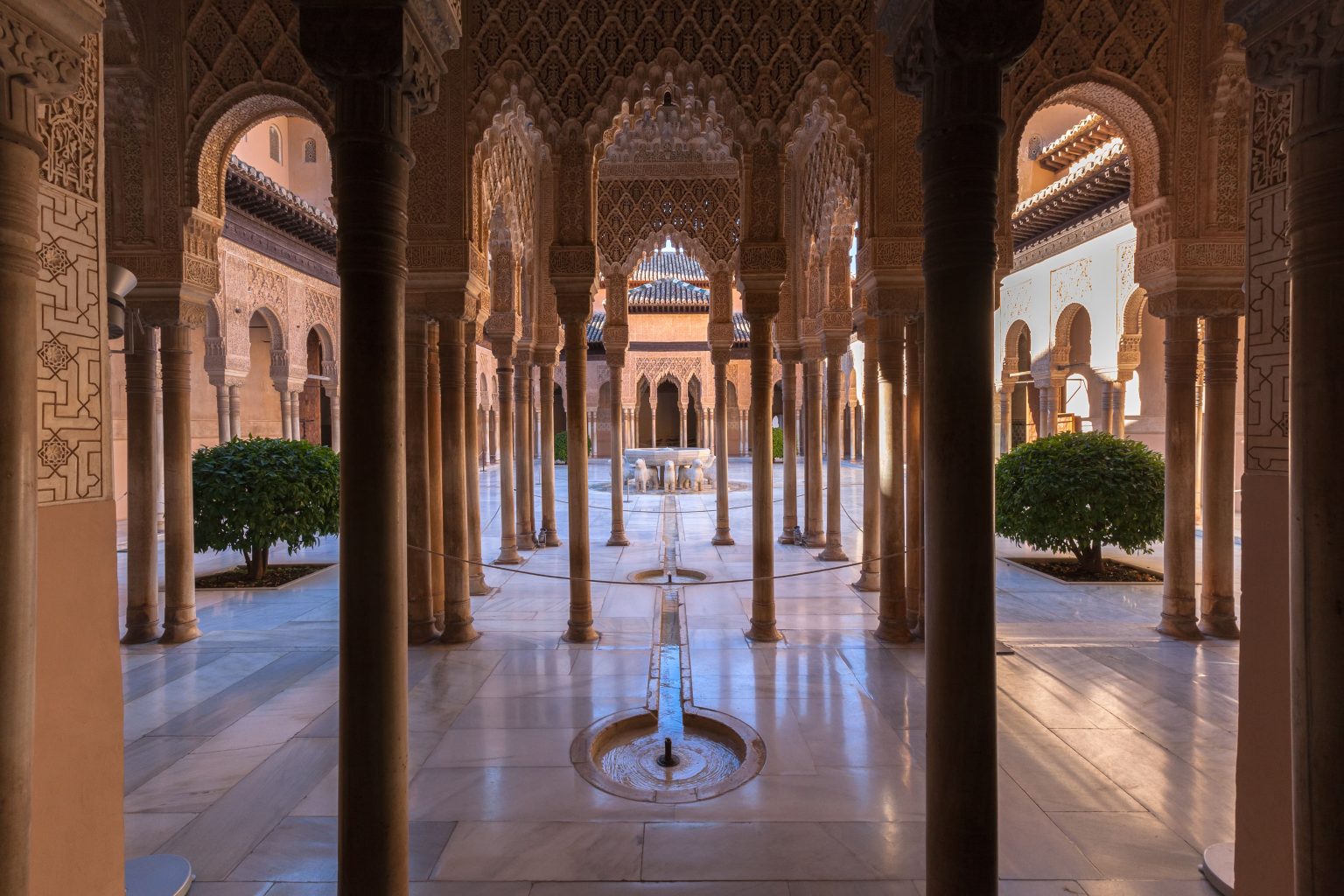
At the start of this article, we mentioned that the sound of flowing water is one of the signature traits of Granada. Just five minutes in the Alhambra are enough to understand why.
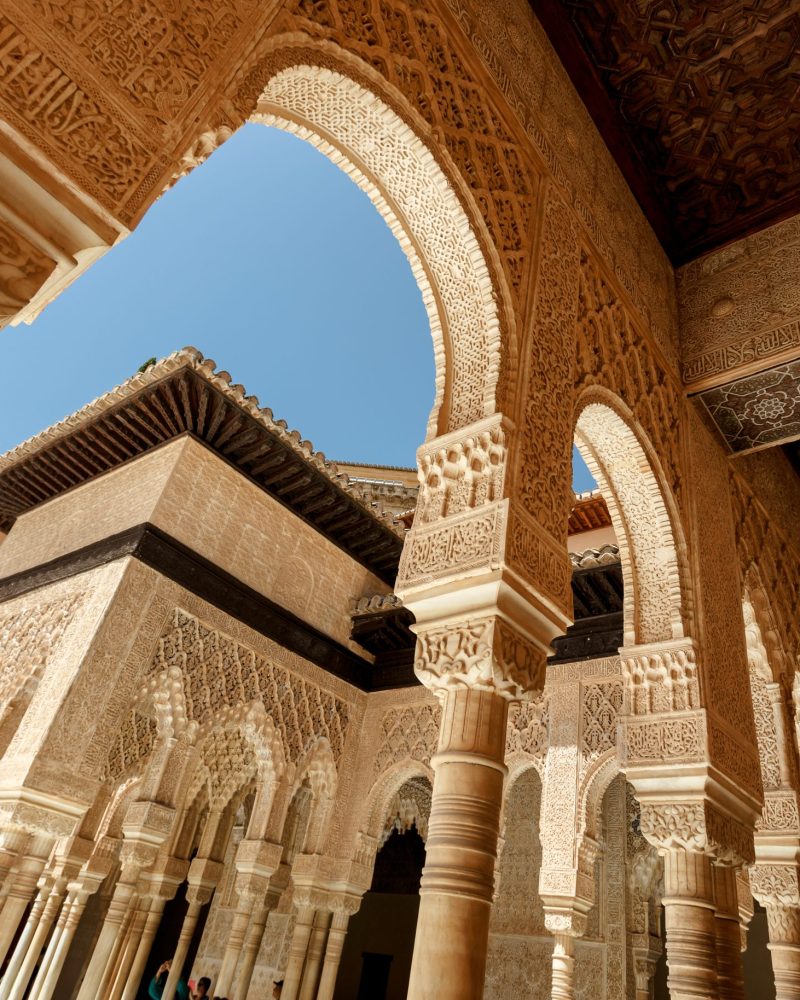
Finally, although each of the buildings that compose it or the incredible views that give it its enviable location, are in itself, a beautiful picture to remember your visit, you can not leave the Alhambra without taking the classic photo in the Patio de los Leones, one of its most special corners.
Granada Cathedral and its Royal Chapel
The Cathedral is one of the best places to see in Granada.
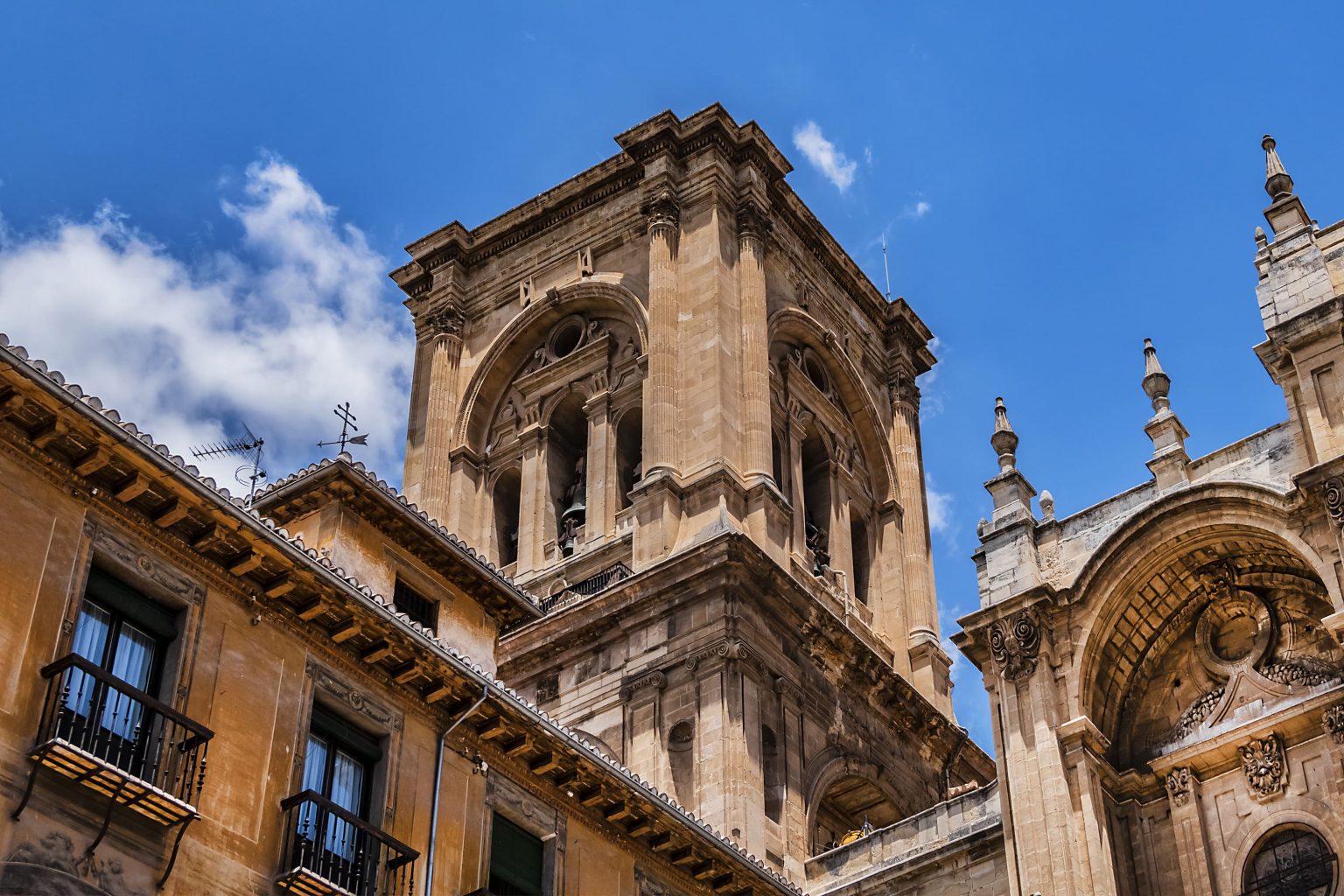
It is one of the masterpieces of the Spanish Renaissance, built between the late 15th and early 16th centuries over what was once the Great Mosque of the Nasrid Kingdom.
Its monumental façade designed by Alonso Cano welcomes the visitor, as an appetizer to the wonders that lie within.
Inside, a total of fifteen chapels await you, filled with artistic treasures, both pictorial and sculptural. In fact, in the Main Chapel it is also possible to contemplate several paintings by Alonso Cano.
Included as an extension of the cathedral itself, the Royal Chapel is another visit that is worthwhile in both historical and artistic terms. It is the burial place of the Catholic Monarchs Isabella and Ferdinand, possibly the most important monarchs in the history of Spain. In fact, the building was ordered to be built by Isabella herself at the beginning of the 16th century, so that her remains could rest there alongside those of her beloved husband. Next to them are also the tombs of her daughter Juana, who would go down in history as Juana la Loca, and her husband Felipe.
The representation of these four great personalities sculpted in marble just above the tombs is truly awe-inspiring.
In addition, as part of your visit to the chapel, you will have the opportunity to see its museum.
It is not surprising that during her visit to Spain in 2010, Michelle Obama included the temple as part of her tour of the country’s most representative monuments.
Paseo de los Tristes
Once again, the flow of water serves as an incomparable soundtrack and views that will remain in your memory forever await.
Although its official name is Paseo del Padre Manjón, this famous street in Granada is popularly known as El Paseo de los Tristes because it used to lead to the San José Cemetery.
Along this short but beautiful route, you will come across the Puente de las Chirimías and the Puente del Aljibillo, both of which date back to the city’s Moorish period. You can also have your photo taken next to the sculpture of the flamenco dancer Mario Maya or visit the Casa de Castril and the Church of San Pedro y San Pablo.
At its end, the views of the Alhambra on the hill put the finishing touch to a route which seems to breathe a special aroma. You only have to walk a couple of hundred metres along the Paseo de los Tristes in Granada to realise that you are in a city with an atmosphere and ambience that is unique in the world.
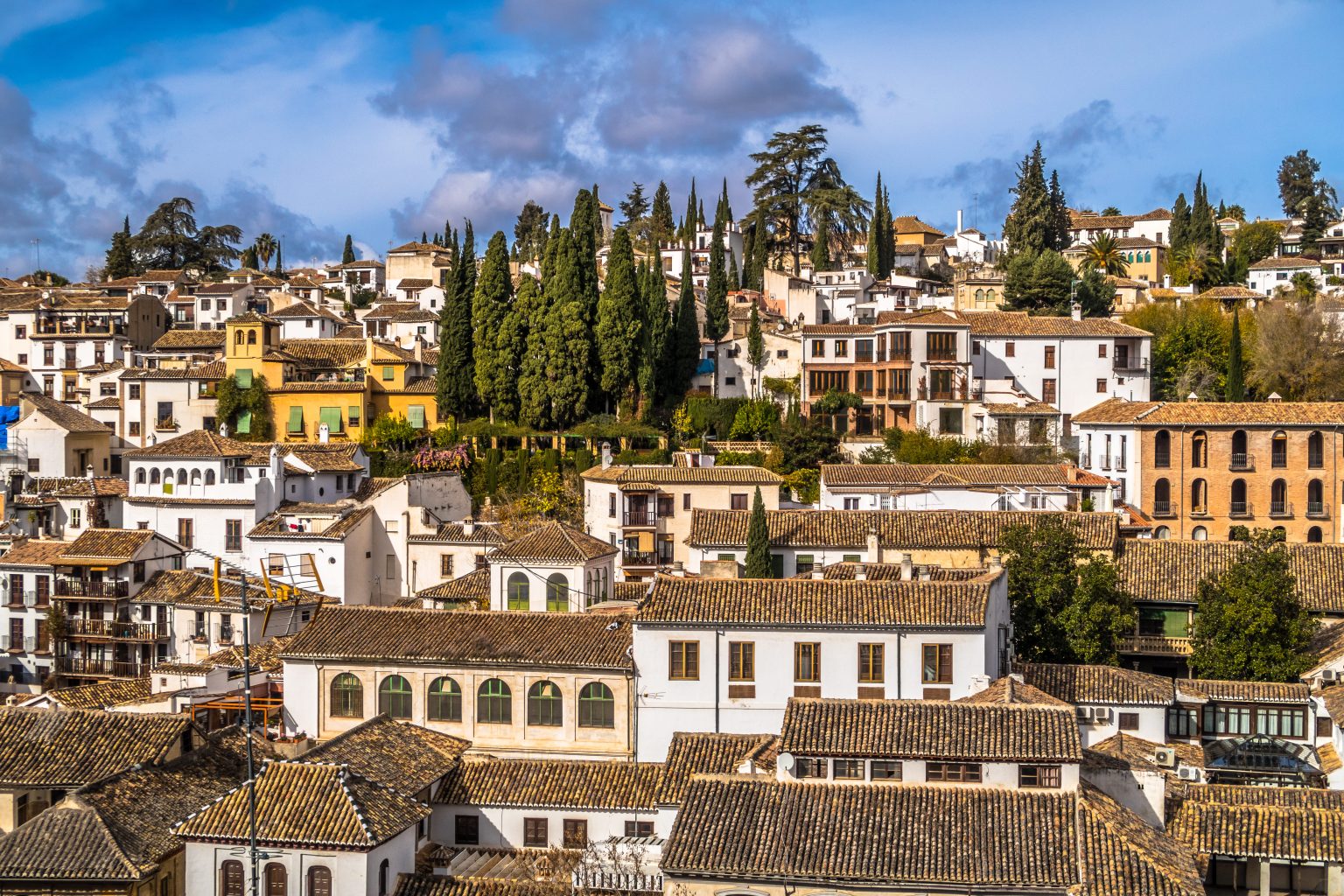
Albaicín Quarter
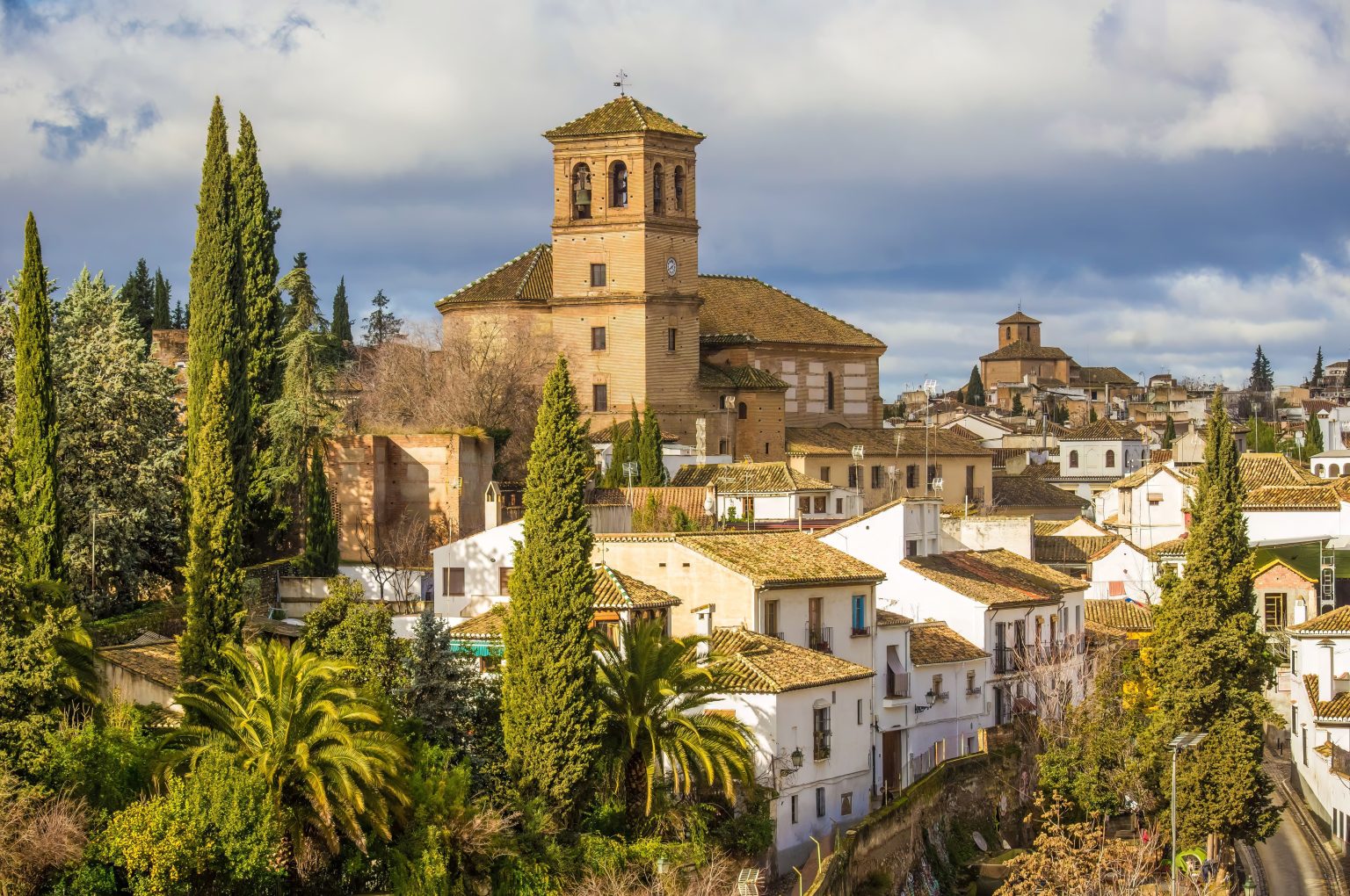
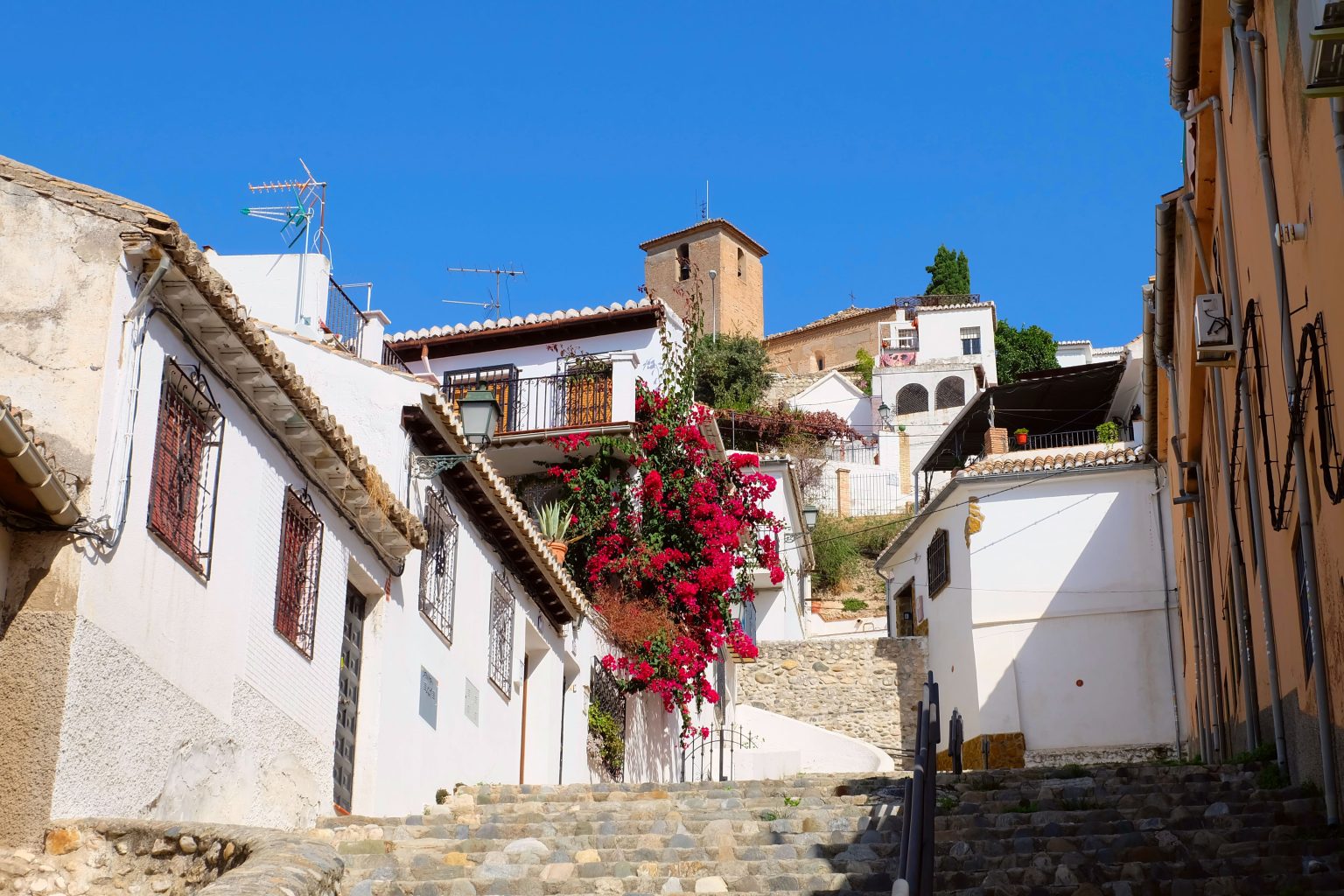
Next to Sacromonte, it is the most popular neighbourhood in the city. The reasons? Three in particular: the first is that it is the oldest neighbourhood in Granada. The second is undoubtedly its beauty, made up of a sea of little white houses with flowers on the balconies that are linked by cobbled alleyways. And the third is its famous Mirador de San Nicolás, about which more information will follow later.
Among its labyrinthine alleys you will find some of the best tapas bars in the city, craft shops and several vestiges of Granada ‘s Moorish era. Some examples are the Casa del Horno del Oro, a 16th century Moorish building, or the Arab Baths and the monument of El Bañuelo, all representative of its history.
The best way to get to know the neighbourhood is by joining a Free Tour and let yourself be guided by a local guide, who will explain everything you need to know about its history and show you the most interesting places, including some of the best restaurants in the city.
We recommend that you opt for comfortable shoes and don’t overload your bag or rucksack, as you’ll be walking up some of Granada’s steepest slopes.
Mirador de San Nicolás
The views from the Mirador de San Nicolás are the classic postcard image of Granada. The image of the Alhambra towering over the hill, with the sea of trees at its feet and the mountains in the background, is truly breathtaking.
It is very common that you coincide with a musician who comes by to play his guitar, creating a magical scene. It is quite common to see artists of all kinds sitting on one of the benches in search of inspiration. Indeed, few places in the world radiate such beauty.
Located in the upper part of the Albaicín neighbourhood, the viewpoint is located in a small square with several benches where you can sit and rest while enjoying the views.
It also has several bars and restaurants with terraces that offer the opportunity to have a drink with a good tapa in front of its panoramic view.
You can’t leave Granada without taking a selfie at the Mirador de San Nicolás.
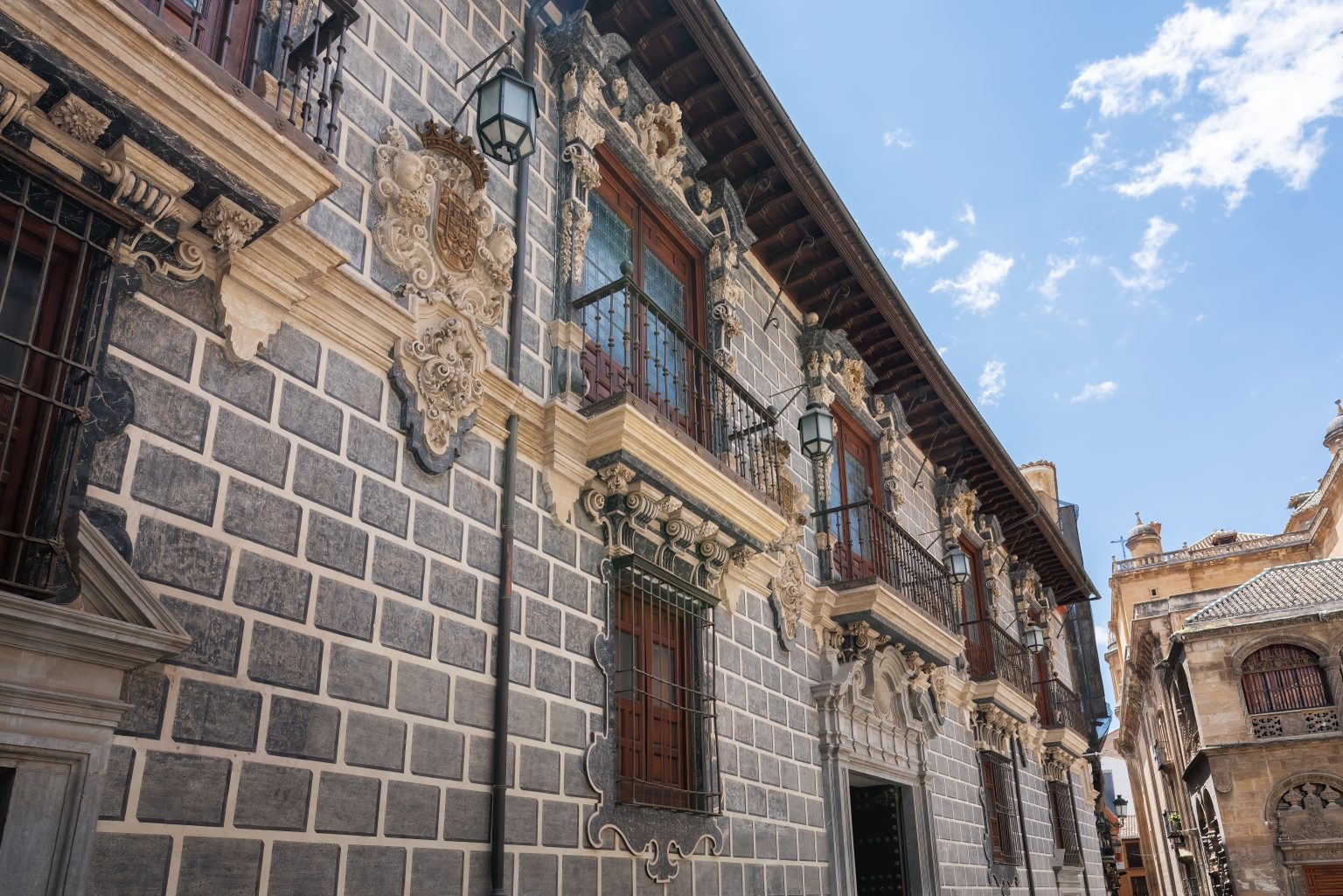
Palacio de la Madraza
Once again, Moorish heritage takes centre stage in our list of places to see in Granada.
Right next to the Royal Chapel, you will find what was once the first university of Al-Andalus and the only one still preserved today.
Its origins date back to 1349, when the Nasrid King Yusuf ordered it to be built to teach medicine, mathematics and law, among other subjects.
The renovations the building has undergone until it took on its current appearance have given it a certain baroque style, but it is still possible to contemplate important remains of its Arab origins, such as the oratory and its mihrab, or the large octagonal dome.
We recommend that you visit the interior and go up to the upper floor, where you will find a large room known as the Salón de Caballeros, where you can appreciate the style of the Mudejar armour and the beautiful painting of the Virgen de la Rosa (Virgin of the Rose).
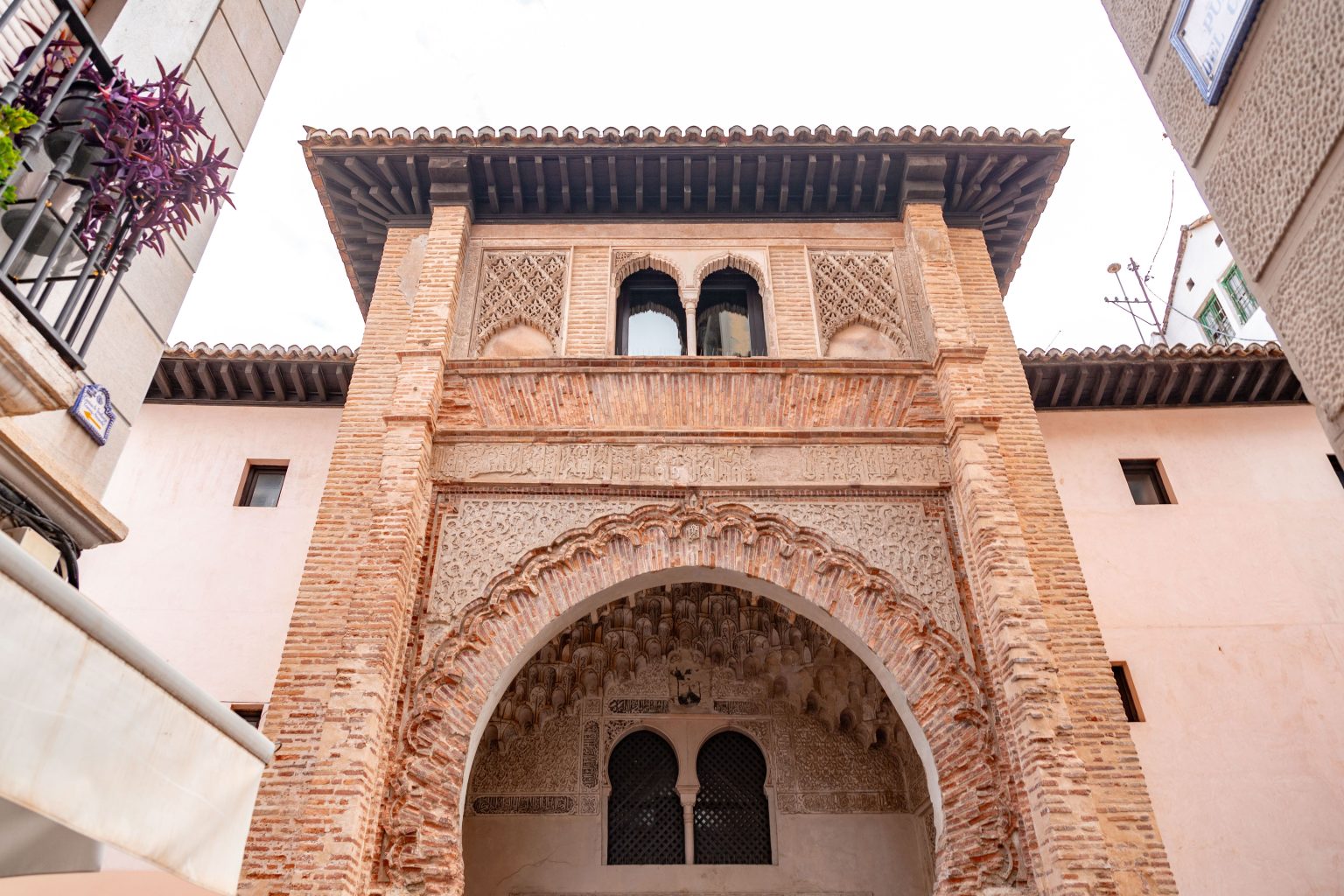
Corral del Carbón
Without leaving aside the Moorish period in Granada, our next proposal is the only Nasrid alhóndiga that is still preserved today. The building known as Corral del Carbón is located just a few metres from the Alcaicería, which we will talk about next, and its good level of conservation makes it one of the best places to see in Granada.
We are talking about a 14th century building, which in its day served as accommodation for the merchants of the market that was set up right in its inner courtyard.
After the reconquest, the building was used by the Christians to hold theatrical performances, taking advantage of its perfect shape, with balconies overlooking the inner courtyard, where the stage was placed.
Among its most notable features are its horseshoe arch in Nasrid style and, of course, its aforementioned inner courtyard, with a cobbled floor and a small fountain in the centre.
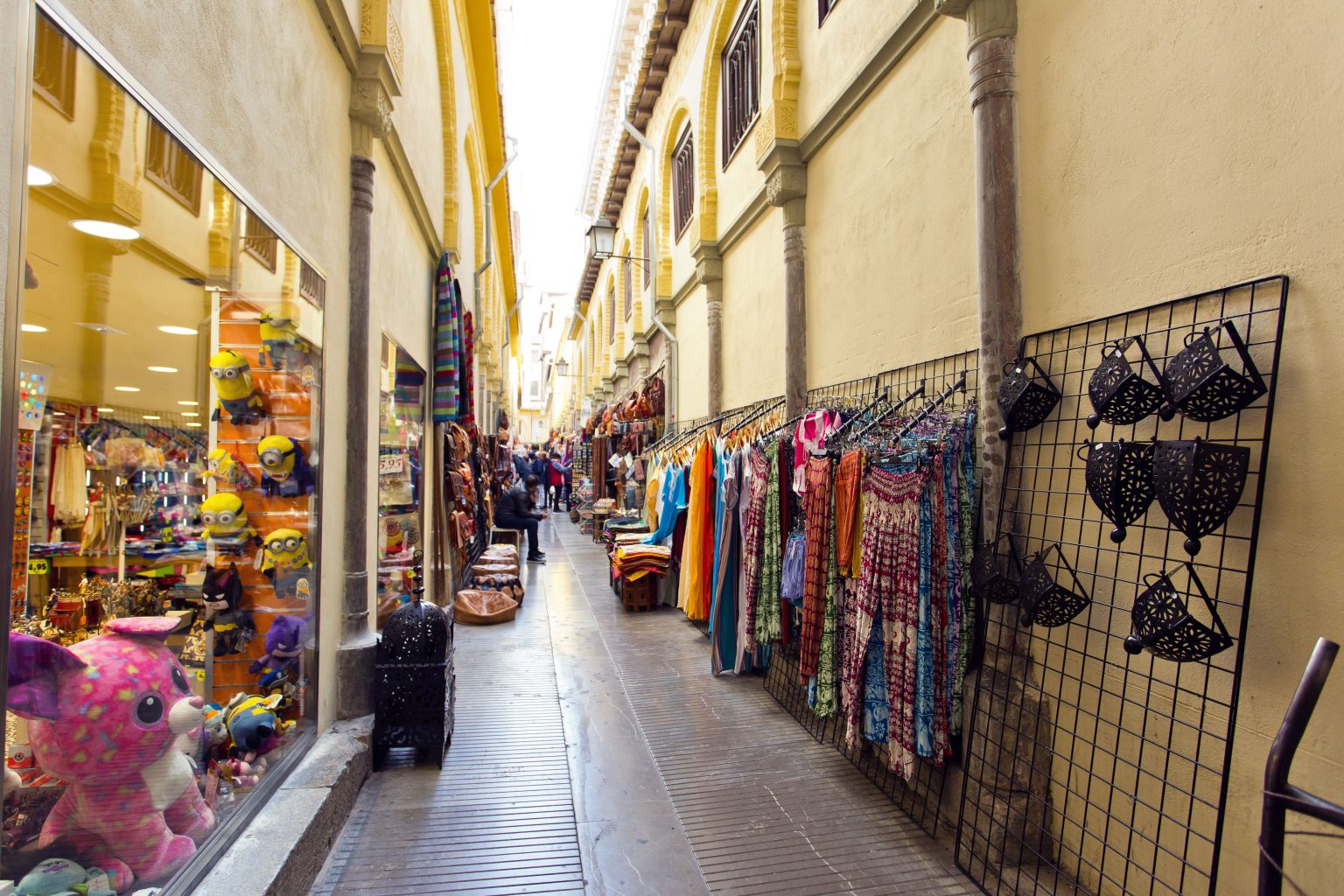
Alcaicería
The Alcaicería is the closest you can get to travelling back in time and stepping into a Moorish souk. Among the winding alleyways that make up this historic place, you can still find many of the products that were traded hundreds of years ago, such as looms and spices of all kinds.
If you are a lover of artisan products, it is well worth wandering through its streets, observing its shop windows and entering its shops, without haste, letting yourself be infected by the peace that permeates each of its corners.
Realejo
El Realejo corresponds to the area occupied by the Jewish quarter of Granada. Located at the foot of the Alhambra, it is characterised by its alleyways and whitewashed houses, which for centuries were home to the city’s Jewish community.
Among the places of interest not to be missed in El Realejo, we especially recommend the Plaza de Isabel la Católica, where you can have your photo taken next to the sculpture of Queen Isabella the Catholic and Christopher Columbus. Also of particular interest are the Casa de los Tiros, the Plazoleta de la Puerta del Sol and its viewpoint overlooking the washing place, the Sephardic Museum, the Church of the Holy Inquisition, the Rodríguez-Acosta Foundation and the Bermejas Towers.
Last but not least, we recommend that you take a stroll through the gardens of the Carmen de los Mártires Palace and enjoy the views of Granada.
The Realejo is also famous for the quality of its bars and restaurants. Some of the most famous are El Mentidero, La Esquinita de Javi or Entrebrasas.
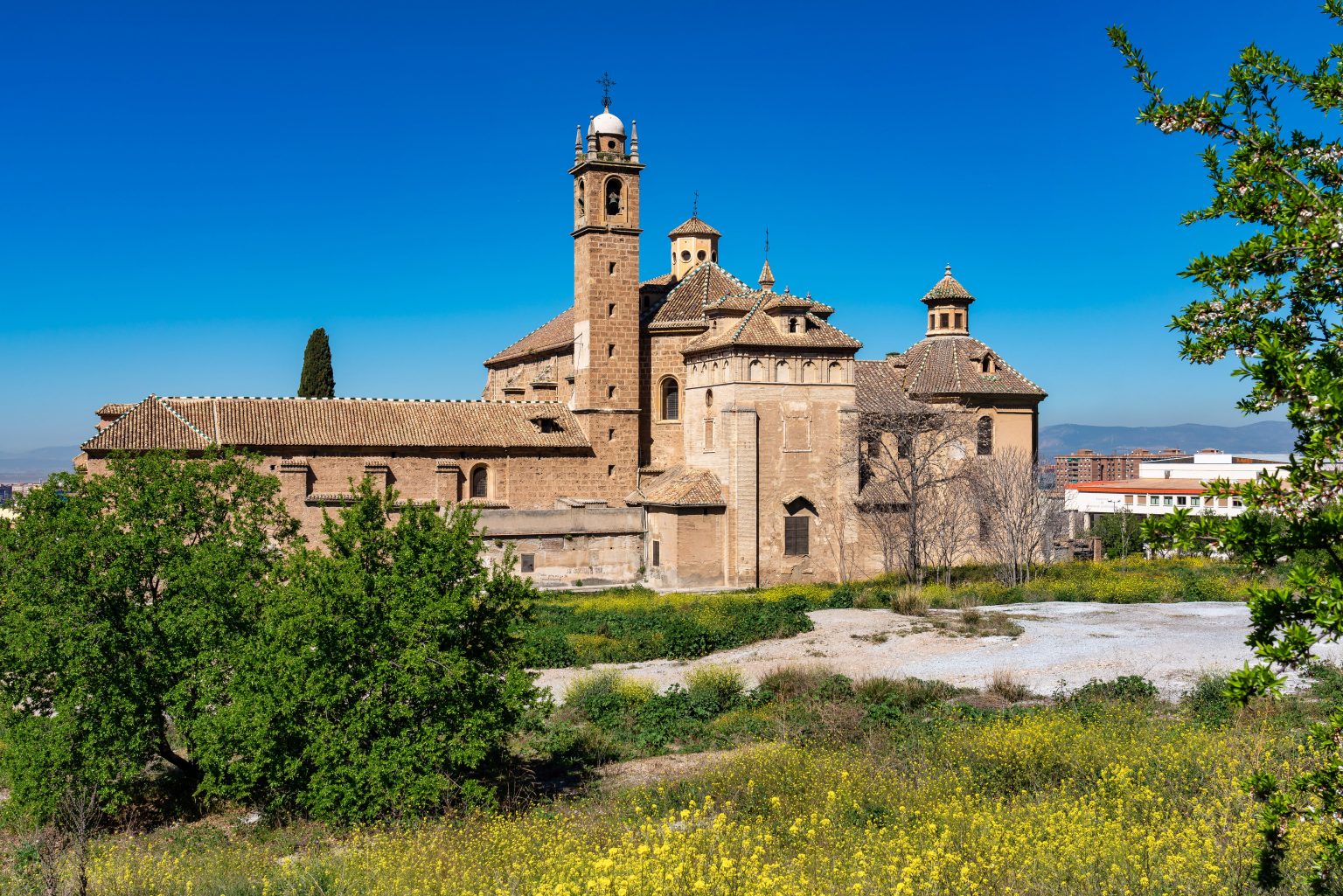
Monasterio de la Cartuja
The proximity of this architectural jewel to the city has led us to include it as one of the monuments to see near Granada.
You can visit it by bus, with several bus lines connecting the city centre with this beautiful building.
The Monasterio de la Cartuja is located just two kilometres from Granada and is notable mainly for its exuberant interiors, decorated in the ornate style characteristic of the Spanish Baroque.
Its walls date back to the year 1506, and among its chapels you will find very special corners, such as the Refectory, the Sacristy, the Courtyard, and especially the Church of the Assumption.
Sacromonte Quarter
Popularly known as the gypsy quarter of Granada, the tablaos flamencos of Sacromonte have seen the birth of some of the biggest stars in the history of this Andalusian art form.
What is special about these tablaos, unique in the world, is that many of them are located in caves, where it is also possible to taste some of the city’s most delicious chacinas (cold meats) while you enjoy the show.
Among the most famous and highly recommended are the Cueva de los Amayas and the Cuevas Los Tarantos, and whether you are a flamenco enthusiast or simply curious to experience such a performance in the heart of Sacromonte, we can only say it is a highly worthwhile experience.
But Sacromonte is not only about tablaos and flamenco. This neighbourhood of typical Andalusian white houses and red carnations in the flowerpots on the terraces, offers several cultural and architectural attractions that you can’t miss.
Some of them are, for example, the Cuevas del Sacromonte Museum or the Sacromonte Abbey.
And as is the case in practically every neighbourhood in the city, in Sacromonte you will find bars and restaurants that will allow you to enjoy an authentic gastronomic experience, perfect to accompany your visit.
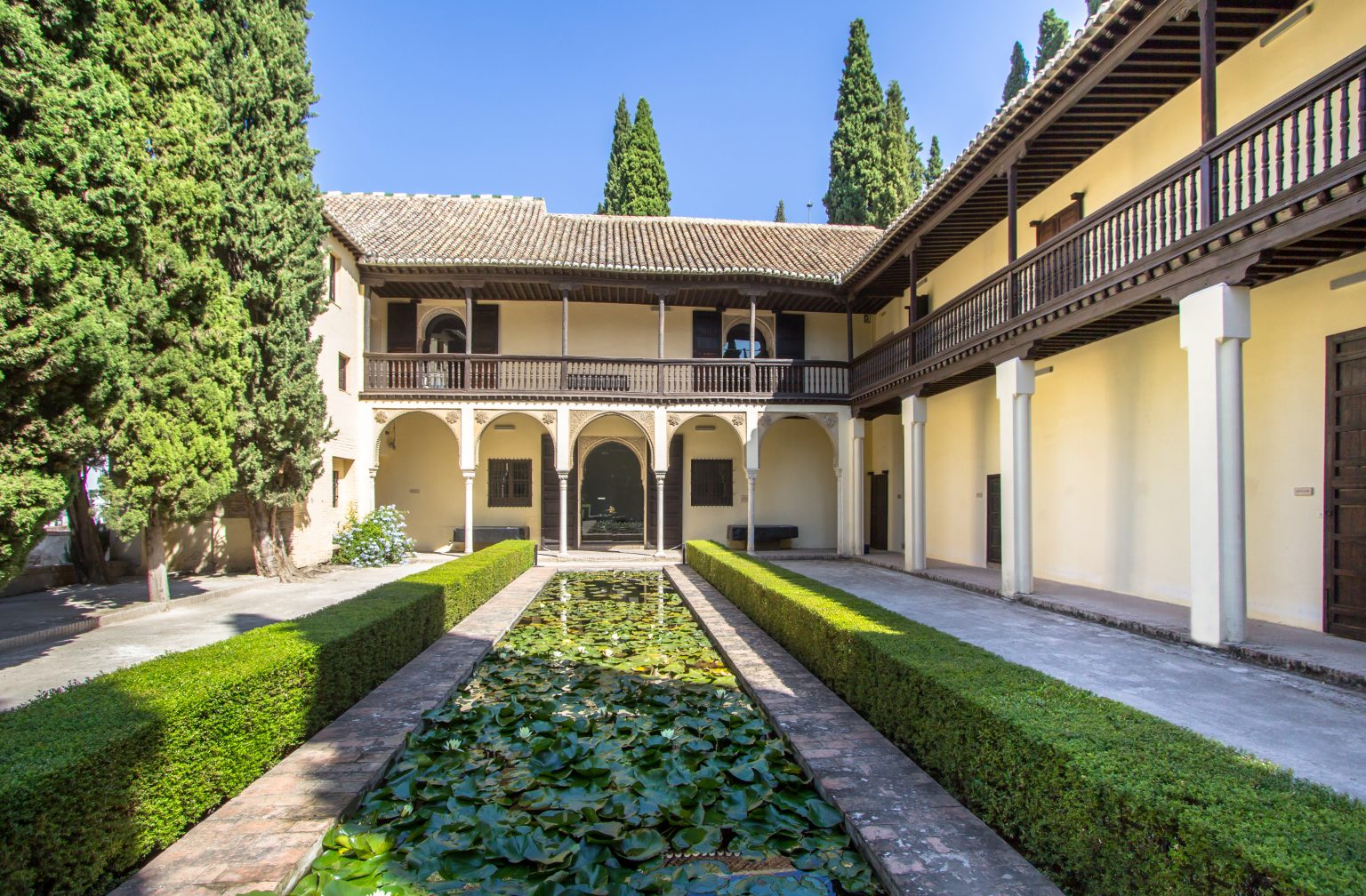
Casa del Chapiz
We conclude our list of recommended places to see in Granada with a building made up of two former Moorish houses from the 16th century.
Declared an Asset of Cultural Interest and located at one end of the Albaicín in the direction of Sacromonte, it currently serves as the headquarters of the Granada School of Arab Studies, with one of the richest libraries in the world on this subject.
Its interior is a combination of Moorish and Christian elements, with special mention of its beautiful colonnaded courtyard, in which a pretty pond forms the centrepiece.
From the garden you can also enjoy a beautiful view of the Alhambra.
Frequently Asked Questions Granada
What places are not to be missed in Granada?
Undoubtedly, one of the places not to be missed in Granada is the Alhambra. A step below, but equally recommendable, are the Cathedral of Granada, the Paseo de los Tristes, Sacromonte and the Albaicín quarter. Although, really, the whole city is worth a visit.
Where to eat in Granada?
Tapas in Granada is almost a religion. In practically any neighbourhood of the city it is easy to find bars and restaurants that offer tapas of supreme quality to their customers. But if we had to choose an area to eat in Granada, we recommend that you don’t miss the ones in Calle Elvira, Plaza Nueva, Calle Navas, Calle San Matías and Plaza Bib-Rambla-Catedral.
How many days in Granada do you need?
We recommend that you spend 3 to 4 days in Granada to enjoy its tourist attractions. Although it is not a very big city, you should bear in mind that the visit to the Alhambra alone will take you a minimum of 3 to 4 hours.
How to travel to Granada?
There are different options for travelling to Granada. The most recommendable at the moment is the train, as it has a high-speed line that connects the city with different parts of the peninsula. But if you prefer, you can also choose to travel by bus, car or plane.
What to eat in Granada?
Some of the most typical dishes to eat in Granada are the Sacromonte omelette, beans with ham, the Alpujarreño dish, the remojón, migas (fried breadcrumbs), the pot of San Antón or aubergines with honey. But in our opinion, the best thing to do is to go for tapas in its taverns and let the waiters themselves surprise you with their different delicacies.