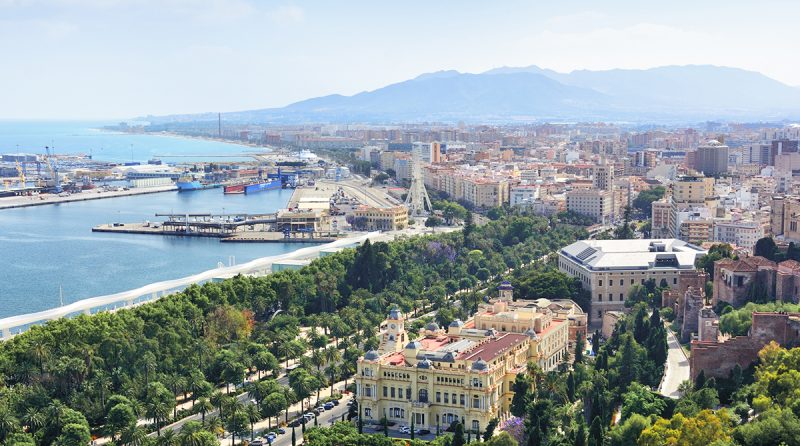
The city of Málaga has become one of Spain’s most visited destinations all year round. With so much to offer, from beaches and seafront promenades to charming taverns, bars, and restaurants, as well as its marvellous historic centre and numerous architectural treasures, it’s easy to see why.
Just a night-time stroll down the iconic Calle Larios reveals a city with a unique spirit, vibrant with life and energy. Málaga offers an incredible range of entertainment, hospitality, art, and culture, all set against a magical backdrop and an unmistakably special atmosphere.
And if all that weren’t enough, Málaga’s climate guarantees sunshine and warmth in both winter and summer. With its own high-speed rail station and an airport offering numerous national and international connections, what more could you need to visit Málaga, the gem of the Costa del Sol?
Table of Contents
Alcazaba
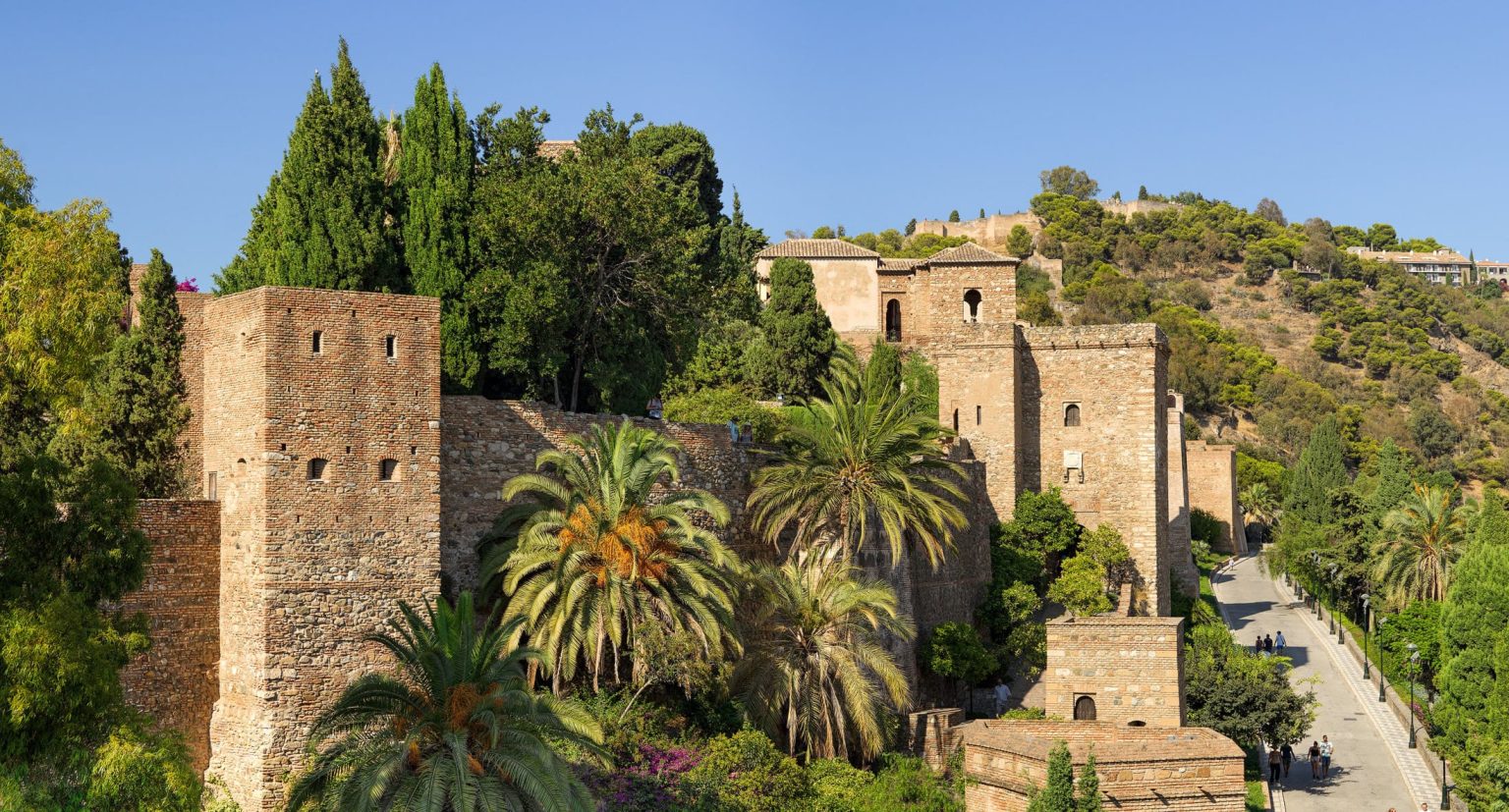
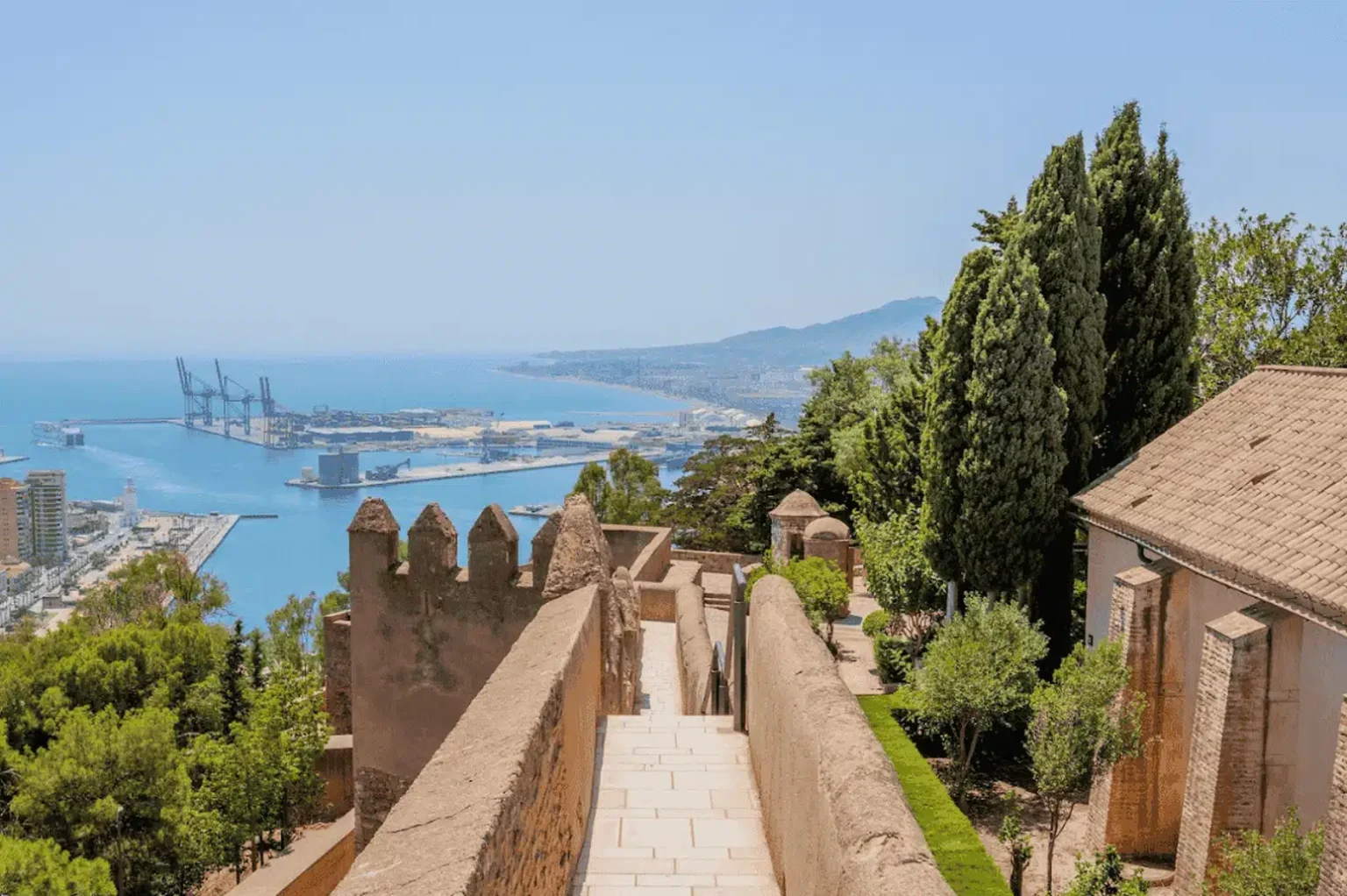
We begin our review of the main places to see in Malaga with a trip back in time to the 11th century. The Alcazaba of Málaga is an impressive fortress rising atop Mount Gibralfaro, just a short distance from the city centre.
With its towering walls and commanding position, it once stood as a great stronghold during the Reconquista. Over time, its warriors have been replaced by waves of visitors drawn to its remarkable interiors, breathtaking views of Málaga’s historic centre, and the beauty of its bay.
A visit to the Alcazaba lets you explore colourful gardens, beautifully preserved Arab palaces, and courtyards like the Plaza de Armas and Puerta de los Arcos, where fountains provide the soundtrack to an unforgettable stroll. The crown jewel, fittingly enough, is the Cuartos de Granada, the former residence of kings, showcasing intricate Nasrid-style décor.
Málaga Roman Theatre
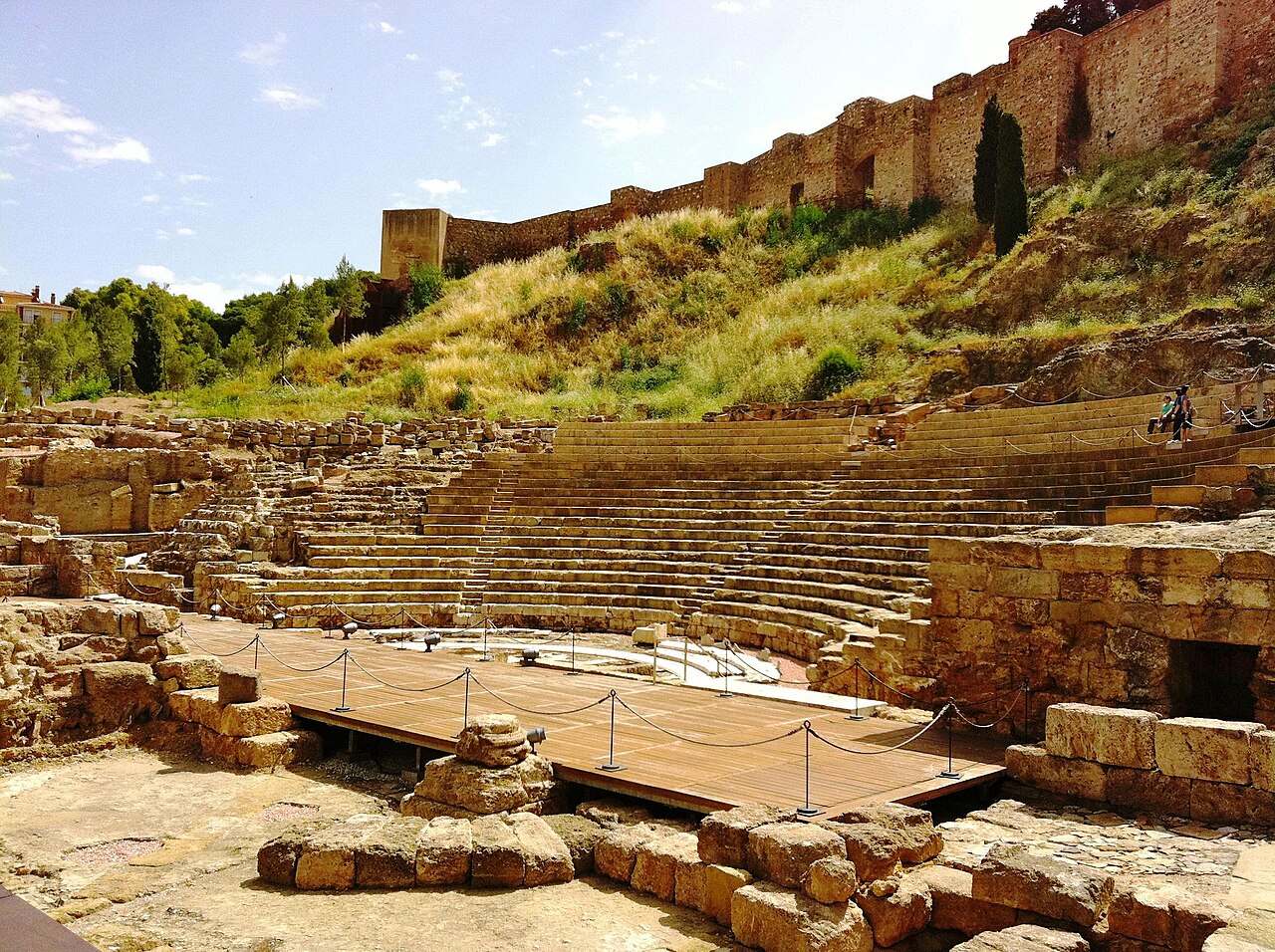
At the base of the Alcazaba, in the heart of Málaga’s historic centre, lies the city’s most significant remnant from Roman times: its magnificent Roman Theatre. Declared a Site of Cultural Interest within Spain’s Historical Heritage, it’s one of the best-preserved Roman theatres in the world.
Dating back to the 1st century under Emperor Augustus, the theatre was uncovered only in the 20th century, specifically in 1951, during the construction of a new building in central Málaga, revealing this ancient treasure. Since then, it has been open to the public, inviting all to marvel at its grandeur.
Málaga Cathedral
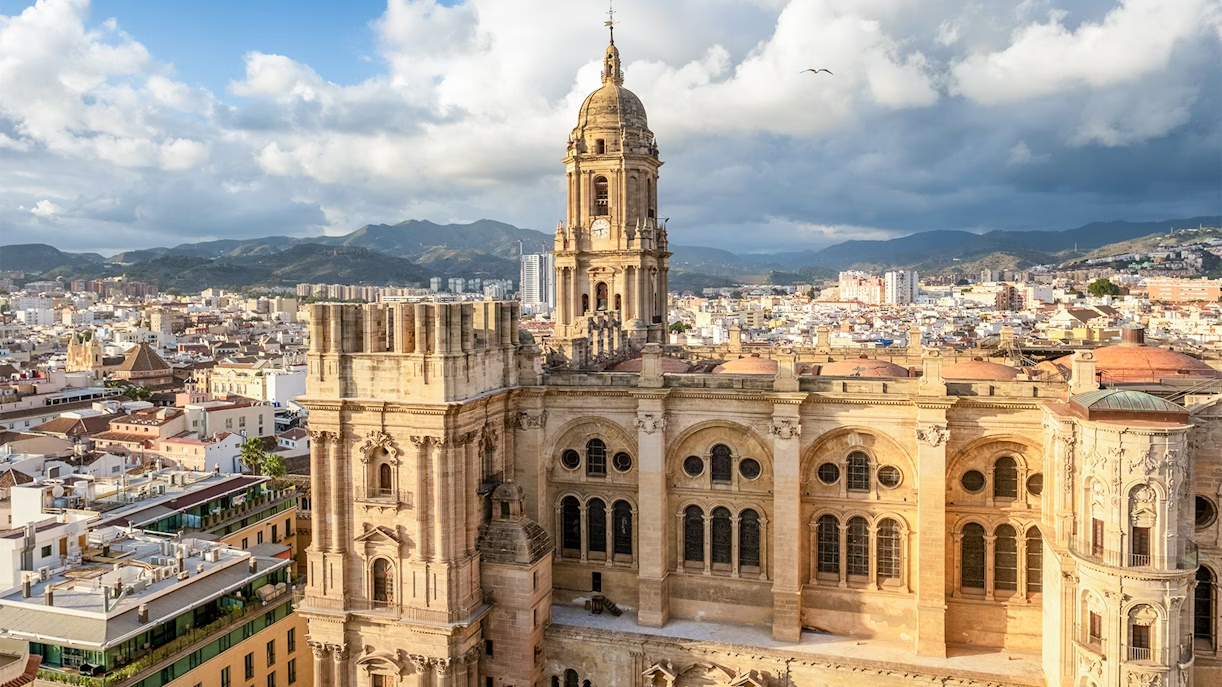
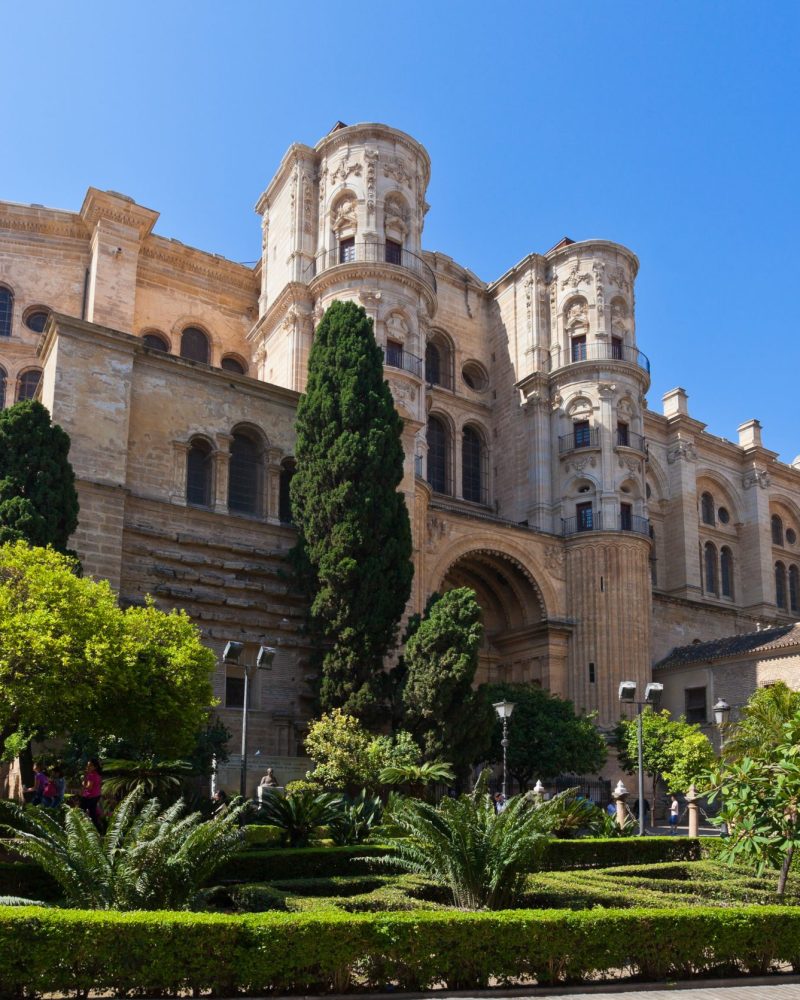
One of Andalusia’s great Catholic temples and a Renaissance architectural marvel, Málaga Cathedral began construction in 1525. Though never fully completed, since the late 18th century it has captivated everyone who approaches its striking baroque façades through Plaza del Obispo.
Inside, you’ll discover hidden wonders well worth exploring, from the impressive Choir Stalls by Pedro de Mena, to its monumental organ, and the incomparable Main Altar, a true masterpiece in its own right.
Episcopal Palace
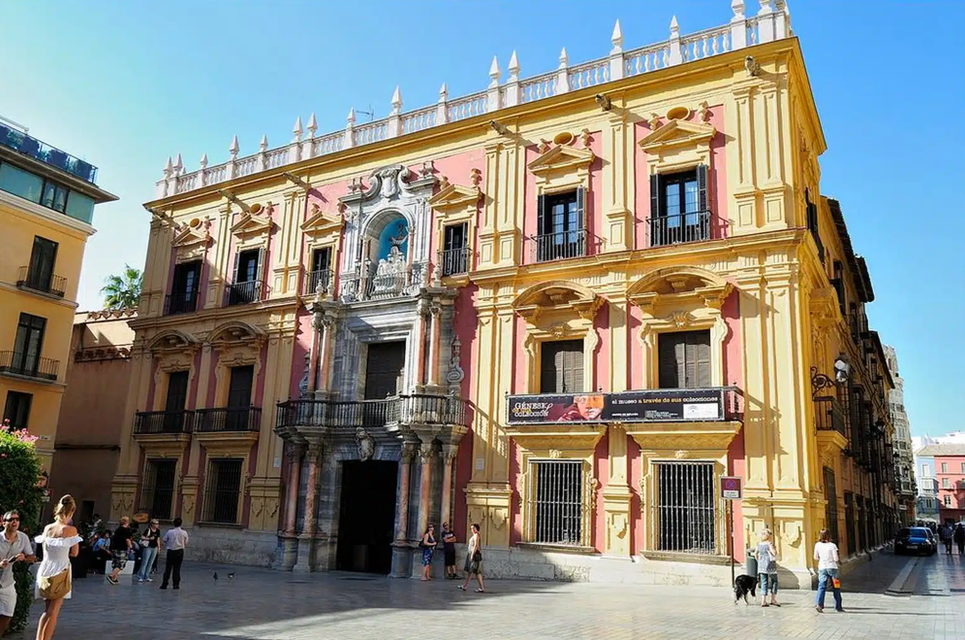
Also in the lovely Plaza del Obispo is one of Málaga’s most beautiful and iconic buildings. The Episcopal Palace, known for its colourful baroque facade, houses the Diocesan Museum of Sacred Art. If you have the chance to visit, don’t miss its impressive double staircase and its two interior courtyards.
Dating back to the latter half of the 18th century, the palace was built under Archbishop José Francisco Lasso de Castilla. Its distinct ochre and salmon tones were showcased alongside the Cathedral in the film The Bridge of San Luis Rey (2004), evoking a city of colonial-era Peru.
Calle Larios
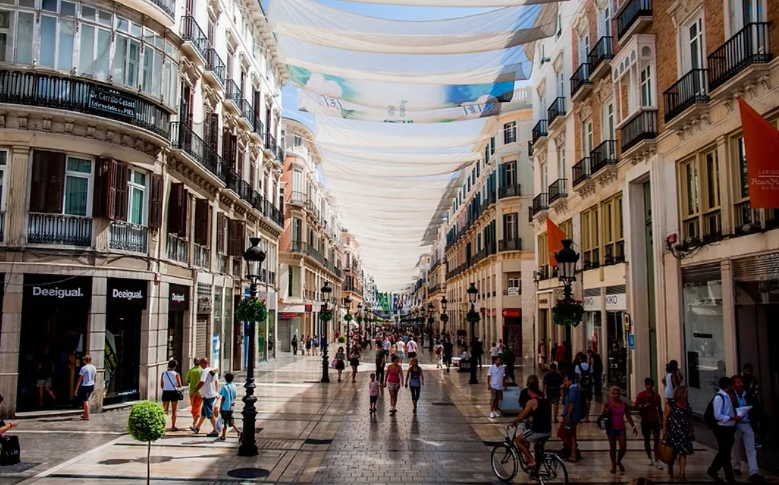
Calle Larios is Málaga’s main commercial artery and one of the city’s most representative landmarks. A favourite meeting point in the historic centre, it’s noted for its beautiful façades, enchanting evening lights, and the bustling activity that continues from morning until night.
Alongside major fashion brands and other shops, Calle Larios is an ideal place to enjoy a coffee or a beer with one of Málaga’s famous tapas. Just remember, if you opt for a bite here, that it is the city’s most important and popular street and prices reflect that.
Plaza de la Constitución
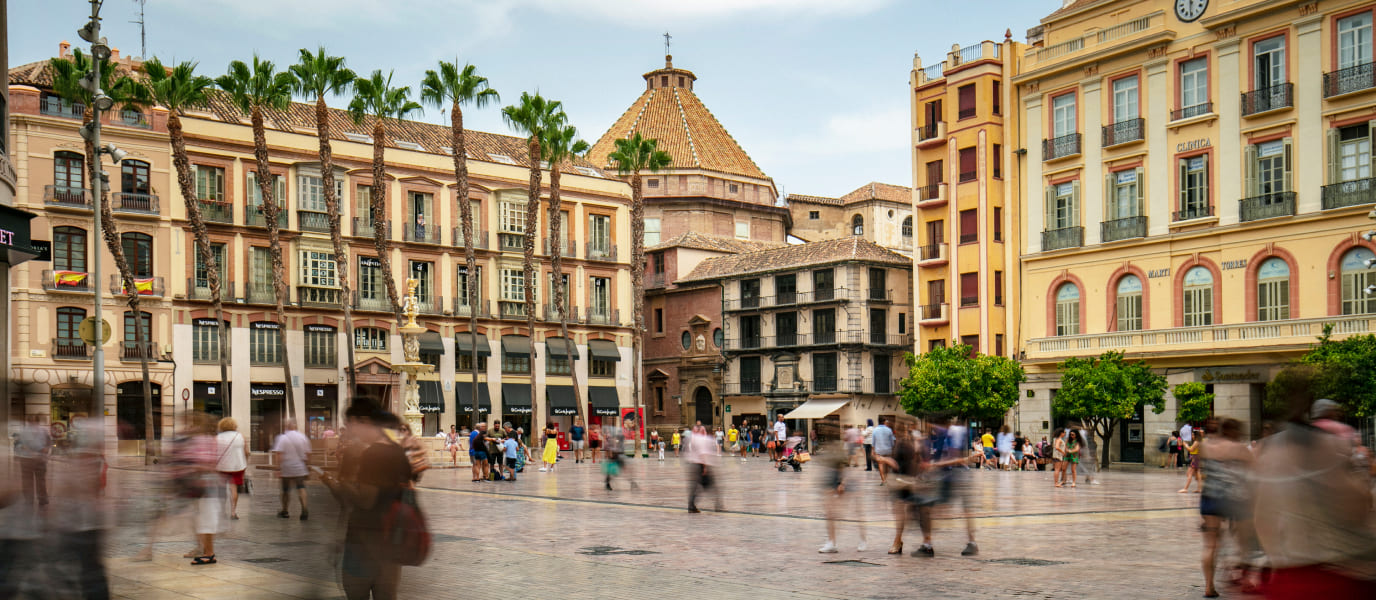
From Málaga’s most famous street, we move on to its busiest square. Plaza de la Constitución serves as the terminus of Calle Larios and has been the city’s main hub since the 15th century.
Formerly known as the Plaza Mayor and once home to Málaga’s Town Hall, it now stands out for its lively atmosphere and frequent crowds, serving as a gateway to the historic centre. Notable buildings around the square include the San Telmo School and the Casa del Consulado. The tall palms, the sound of the Genoa Fountain, and the murmur of people on the square’s many bar and restaurant terraces all add to its charm.
Carmen Thyssen Museum
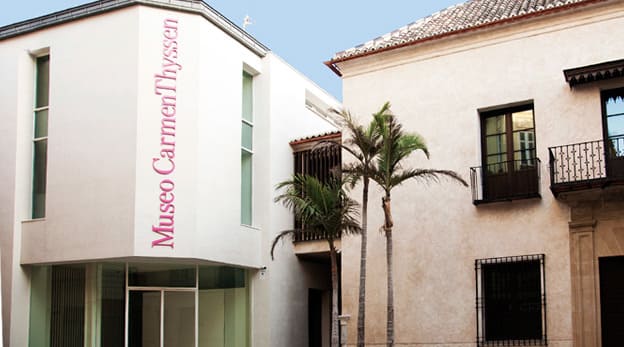
Just a few steps down Calle Compañía, you’ll find what is arguably Málaga’s most important museum. The Carmen Thyssen Museum holds some of the most significant works in Spanish painting from the 19th and early 20th centuries. Alongside its valuable permanent collection, the museum hosts a variety of temporary exhibitions throughout the year, along with cultural and educational activities.
Picasso Museum
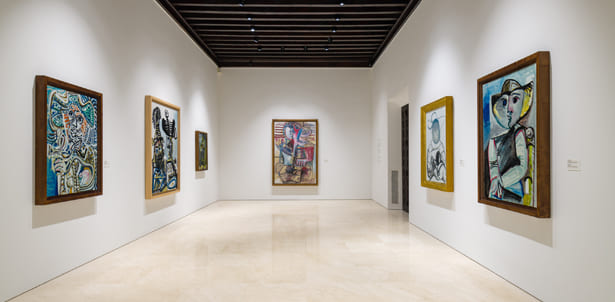
Art lovers might debate our calling the Thyssen Museum Málaga’s most important, as Picasso, one of the city’s favourite sons, certainly deserves a spot of equal prominence. In terms of visitor numbers, the Picasso Museum is not only Málaga’s top draw but the most visited in all of Andalusia.
Situated in the Buenavista Palace on Calle San Agustín in the city centre, the museum houses an extensive collection of 285 works from across all phases of Picasso’s art. With its rich collection, exciting temporary exhibits, and the availability of guided tours, it’s an essential stop for visitors.
Castillo de Gibralfaro
Again, Málaga invites us on a journey back in time, this time to the period of the Catholic Monarchs. Castillo de Gibralfaro served as the residence of Ferdinand and Isabella during the Reconquest, and it was within these walls that Christopher Columbus petitioned the monarchs to fund his voyage to the Indies, a journey that, as you know, ultimately led to the discovery of the Americas.
To reach this impressive fortress, you can follow a path from the Alcazaba, stopping at scenic lookouts along the way. Once there, you can stroll along its walls, admire its eight towers, and, best of all, be captivated by the finest view of Málaga, with the Mediterranean as a stunning backdrop.
Málaga Port
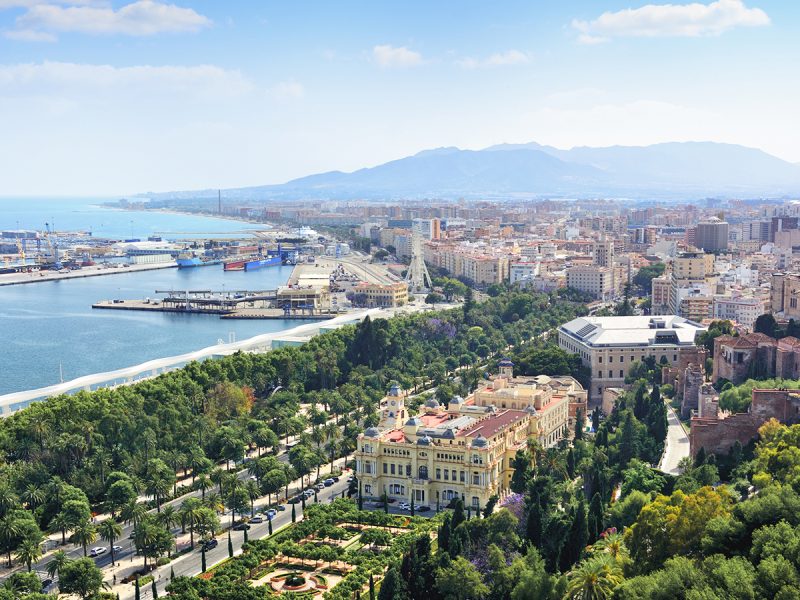
Known as Muelle Uno, the renovated Málaga Port promenade has become one of the city’s most vibrant areas. Málaga has transformed in recent years into a modern and cosmopolitan city, and a brief stroll through its marina is enough to experience this special atmosphere. It’s the ideal place for open-air shopping, a seaside brunch, a workout, or simply a leisurely walk with the Mediterranean breeze.
Art lovers should not miss the Pompidou Centre, Málaga’s most significant contemporary art museum, welcoming you with its iconic multi-coloured glass cube.
Historical Botanical Garden of La Concepción
Our next stop brings us closer to nature, with the lush greens of over 50,000 plants and 3,000 species at Málaga’s spectacular Botanical Garden. It’s the perfect place to escape the city’s noise and fully immerse yourself in nature’s splendour. You’ll be enchanted by its extensive collection of bamboo, palm trees, aquatic plants, and its beautiful historic garden.
The garden’s “Historical” designation is well earned; it’s been open since 1855. Since then, it has grown to become one of Europe’s most important botanical sites.
Málaga Park
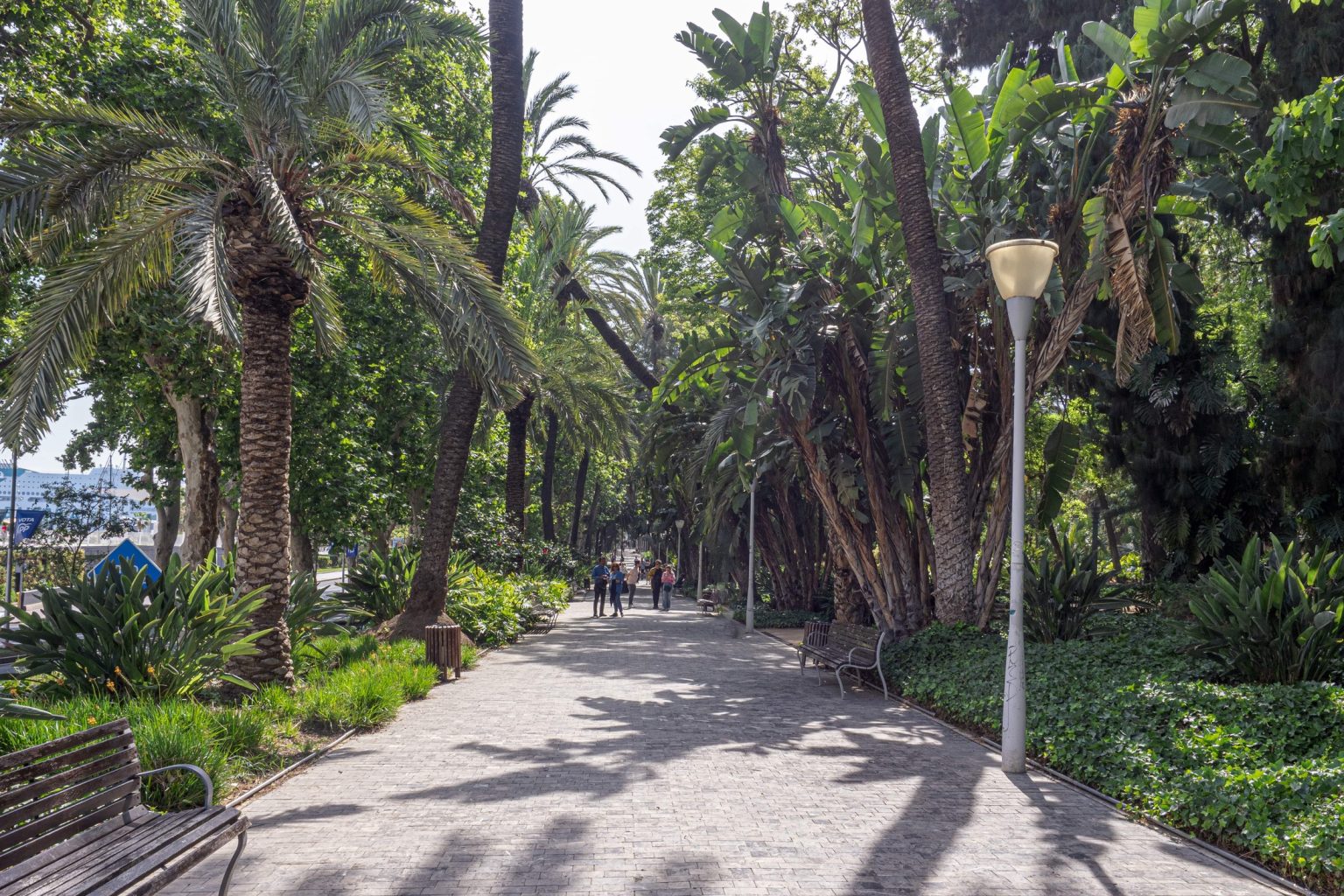
We continue our nature-focused exploration with a stop at Málaga’s largest park and, along with the Botanical Garden, its main green space. Every great city needs relaxing parks and gardens, and Málaga Park, in the city centre, is the perfect place to rest your mind, listening to birdsong as you wander its lush, Renaissance-inspired gardens with Baroque influences. Shady trees and several fountains offer a welcome respite from the heat, while statues of various folkloric and historical figures from Málaga add interest.
Like many of the tourist attractions on our list, Málaga Park dates back to the 19th century and has since become the perfect spot to unwind just a few steps from the bustling city centre.
Malagueta Beach
As Málaga’s main beach, La Malagueta might not be particularly wild or picturesque, but it has all the amenities you would expect from a city beach of this type.
It’s ideal for water sports or a stroll along the shore, but it’s real charm lies in its seafront promenade. The boats laden with grilled sardines that fill the air around nearby restaurants and beach bars captivate visitors with their smell. Known locally as pescaíto, fresh fish is a pillar of Málaga cuisine. Whether grilled or fried, enjoying this speciality by the sea with the sound of waves is a delight.
Atarazanas Central Market
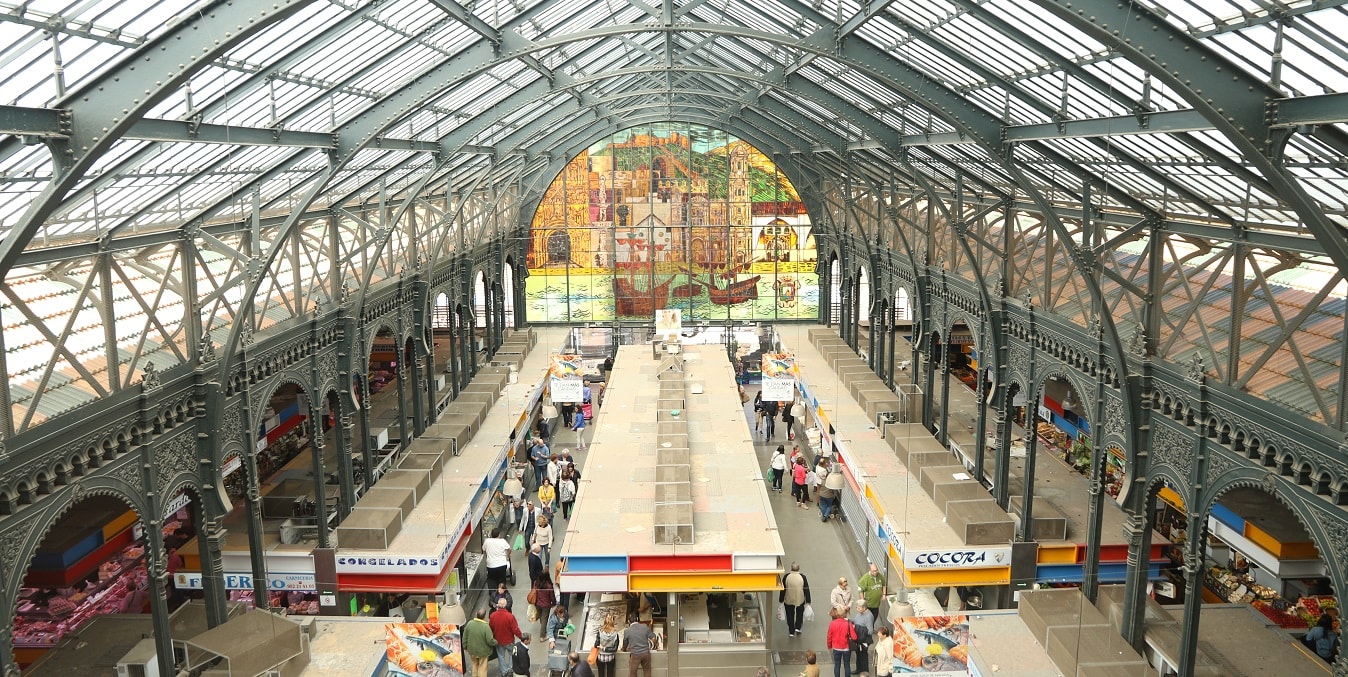
Declared a Site of Cultural Interest in 1979, Málaga’s most important and representative market is the Atarazanas Central Market. Housed in an 1870 building with a grand entrance and distinctive 19th-century Málaga architecture, it’s a must-visit spot.
In addition to offering top-quality fresh produce to locals, the market is an ideal place to enjoy a cold beer with a serving of pescaíto frito. Among its many stalls, you’ll also find bars and restaurants perfect for a traditional aperitivo, without a doubt one of the best things to do in Malaga.
Plaza de la Merced
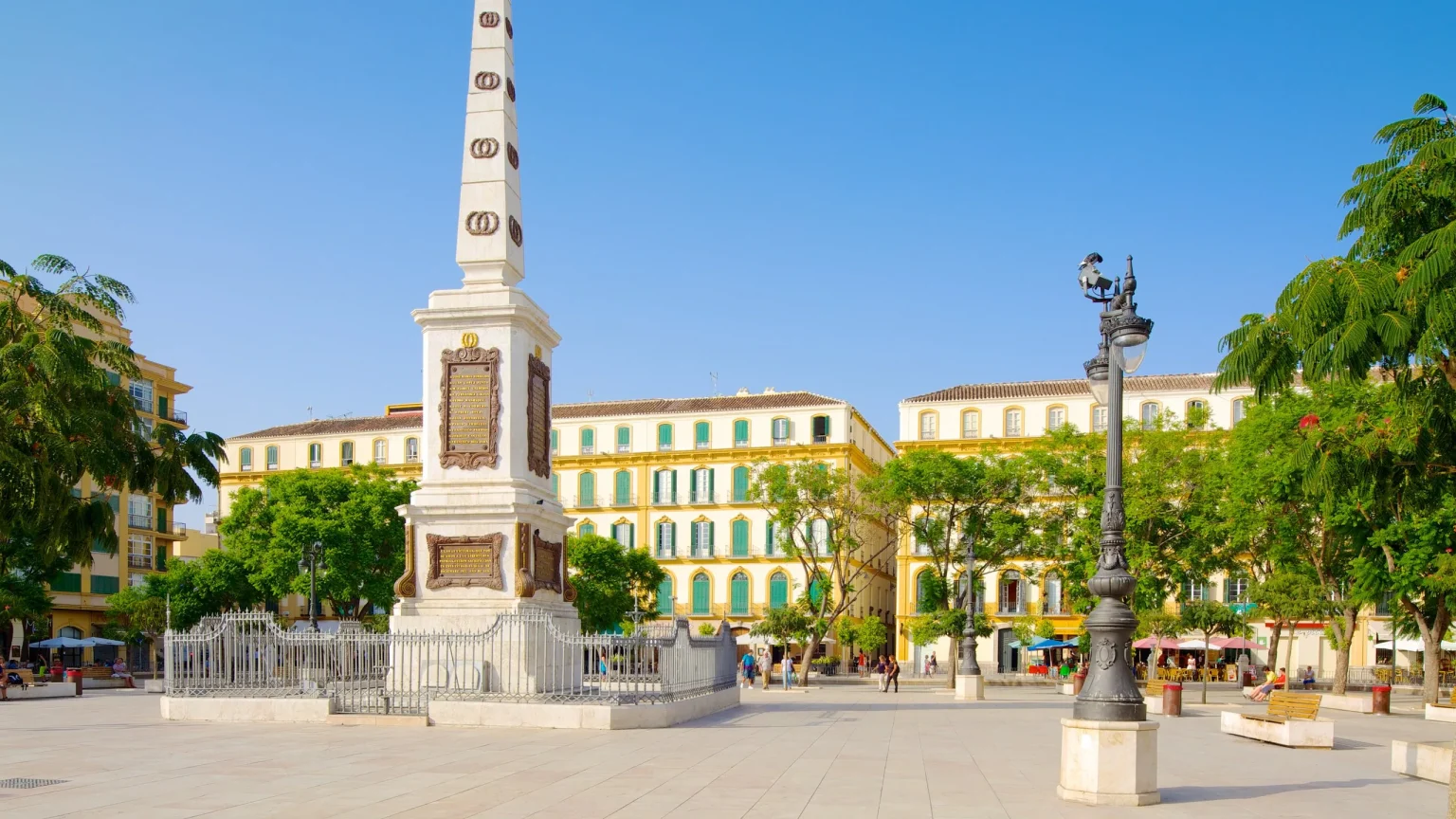
We conclude our list of recommendations with the iconic Plaza de la Merced, formerly known as the Plaza del Mercado. This square is home to Pablo Picasso’s birthplace, now open to the public with an exhibition about his childhood, family, and life in Málaga.
You’ll also find a sculpture of Picasso himself, seated on one of the benches, just a few steps away from the grand Torrijos Obelisk, a tribute to the general of the same name.
Frequently Asked Questions Malaga
What are the must-see spots in Málaga?
Málaga is a city brimming with hidden treasures that are well worth discovering. However, if we had to pick the essentials, our top choices would be the Alcazaba, the iconic Calle Larios, the modern and lively Muelle Uno, the Cathedral, the Roman Theatre, and the Picasso Museum. And as the perfect way to cool off after a day of exploring, we’d recommend a refreshing dip at La Malagueta Beach.
What should I see in Málaga’s city centre?
If you’re lucky enough to visit Málaga’s city centre, there are a few must-see stops. You’ve likely already heard of famous spots like Calle Larios, the Cathedral, and the Alcazaba, but there’s so much more, and the historic centre is the perfect place to experience it. Be sure not to miss the stunning Roman Theatre, the Episcopal Palace, the Picasso Museum, the Carmen Thyssen Museum, Plaza de la Merced, and the Atarazanas Market.
Where can I eat in Málaga?
While it’s easy to find good places to eat in nearly any part of the city, there are two areas with particularly high concentrations of quality dining options. The first is the city centre, where you’ll find a diverse range of taverns and restaurants catering to all tastes. The second is along the Seafront Promenade and near La Malagueta Beach, where numerous beachside restaurants and chiringuitos specialise in seafood and rice dishes.