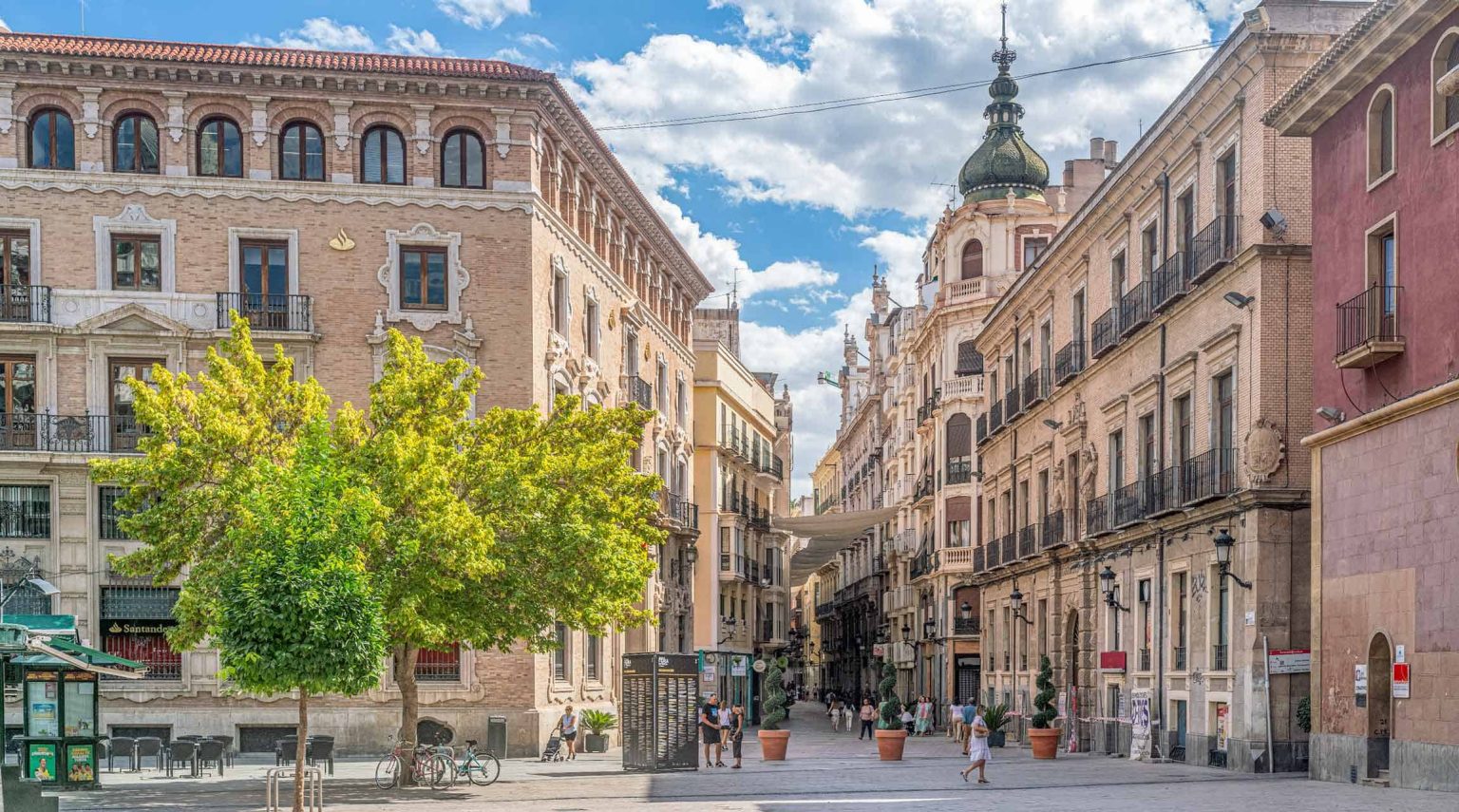
If we had to define the city of Murcia with one word, it would undoubtedly be: surprising. And it is, we are not talking about one of the most chosen tourist destinations among the big cities in our country, but however, we could say that, once you visit it, it could perfectly enter your top 5 destinations in Spain.
Murcia is largely unknown, perhaps because the fame that its surroundings, among which are some of the most popular sun and beach destinations in Spain, have unfairly taken away from the capital.
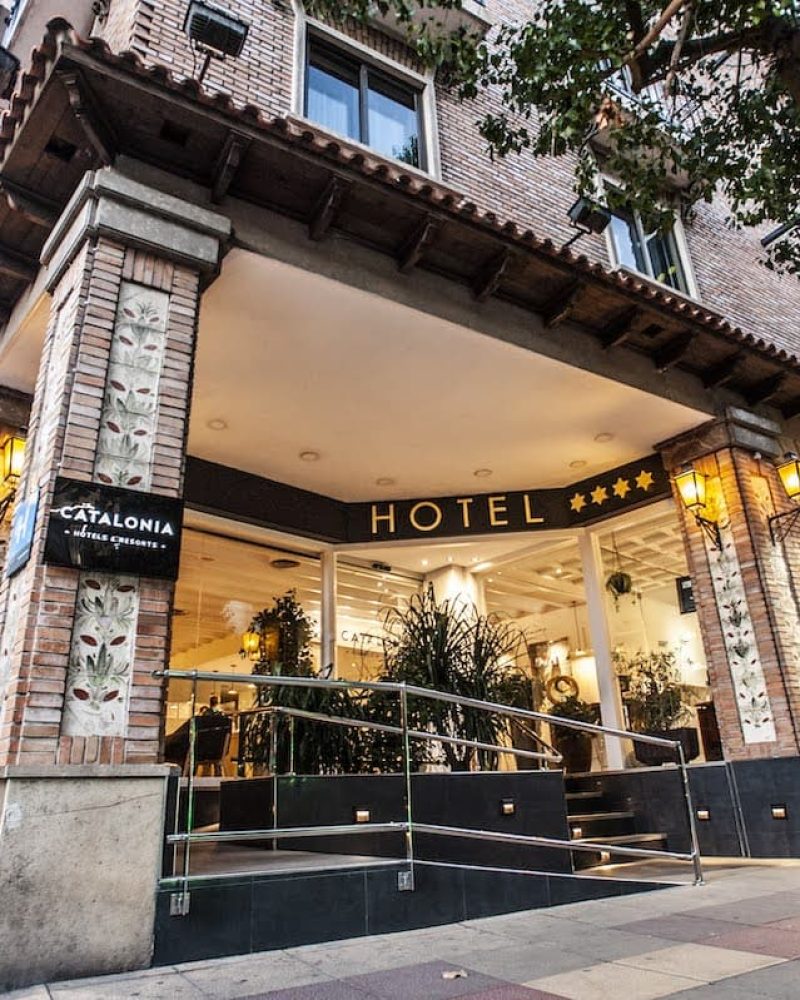
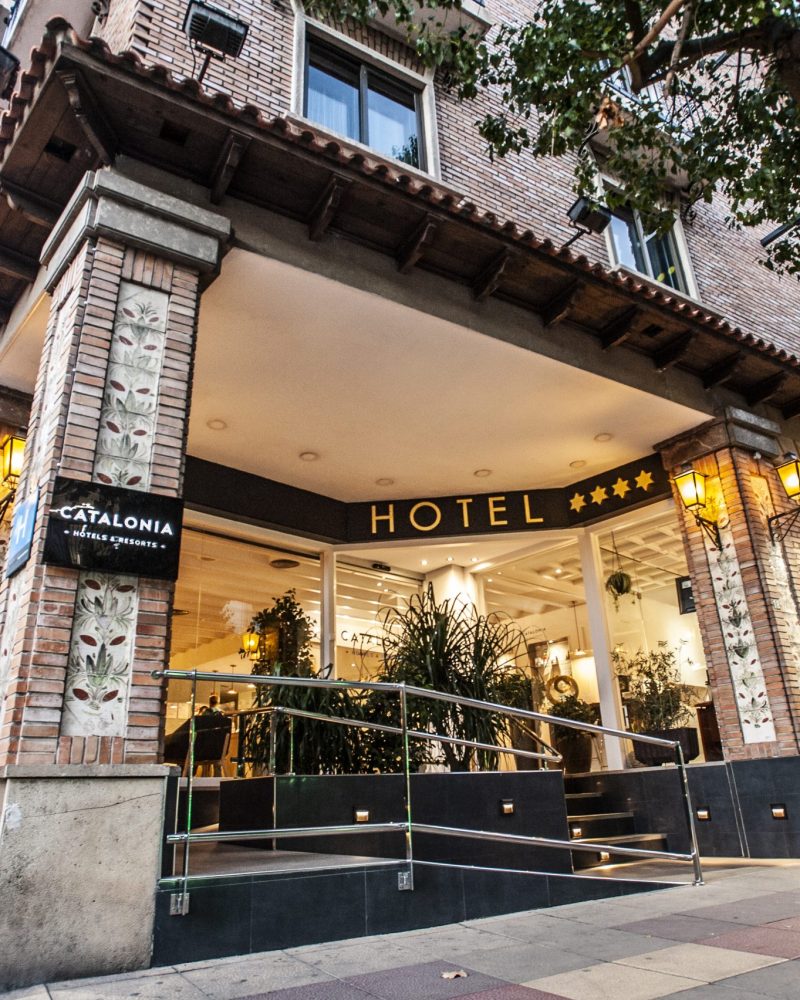
But in truth, Murcia is a city that has everything to fully enjoy a good tourist getaway. Its architectural treasures include some wonders that will leave you speechless. Furthermore, Murcia is a city with an unparalleled atmosphere, fantastic culinary production and one of the best hotels in the entire country.
As if all this were not enough, in recent years it has been adding more and more examples of urban art, adding another incentive for your visit. And what about its enviable climate! In Murcia, you practically don’t need a coat any month of the year.
Throughout your tour of the city, some of the most beautiful examples of Spanish Baroque, urban art at its best, Muslim heritage, gastronomic delights and much more await you.
Still haven’t convinced you to choose this beautiful city as your next holiday destination? Don’t hesitate, Murcia will surprise you.
Table of Contents
Murcia Cathedral
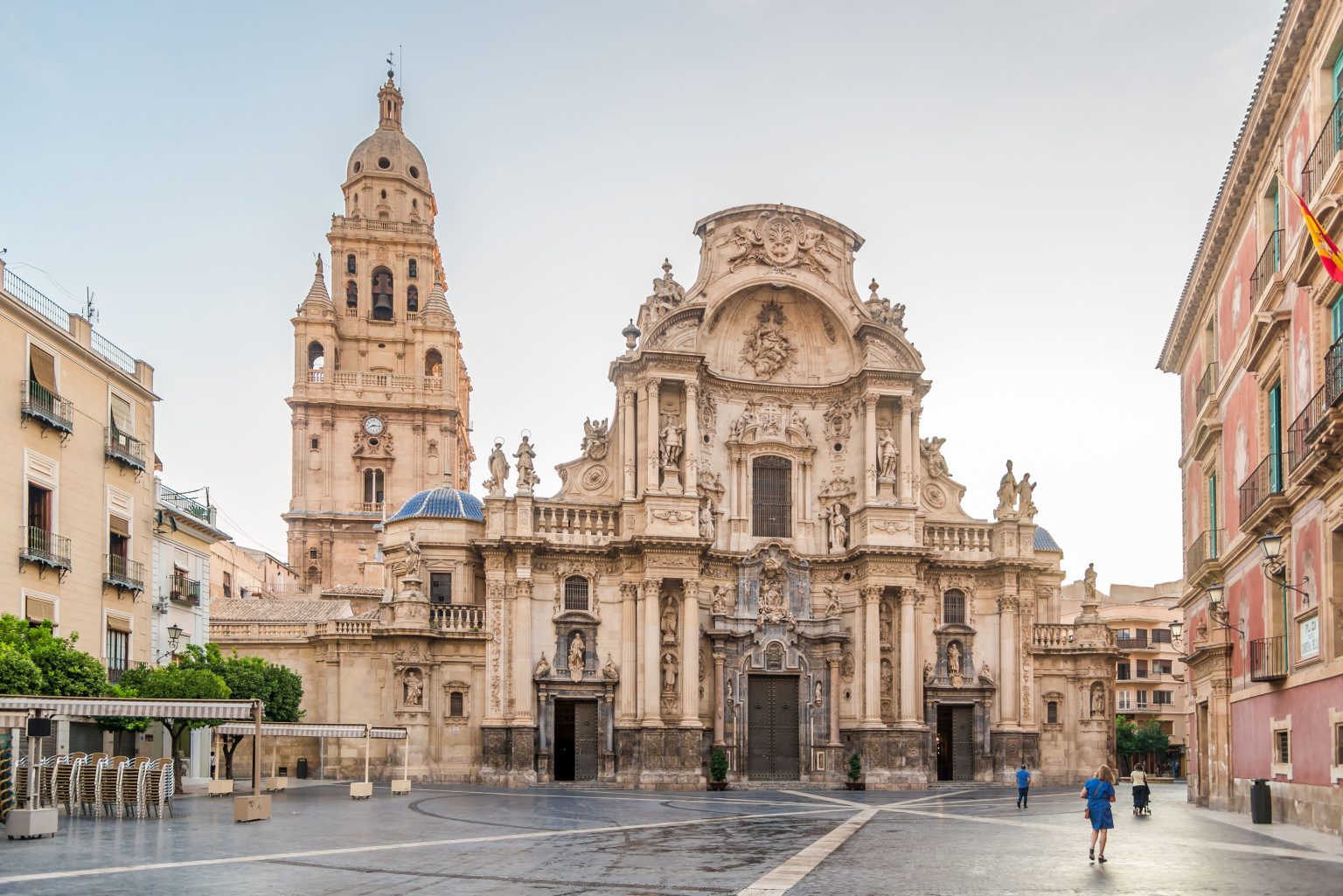
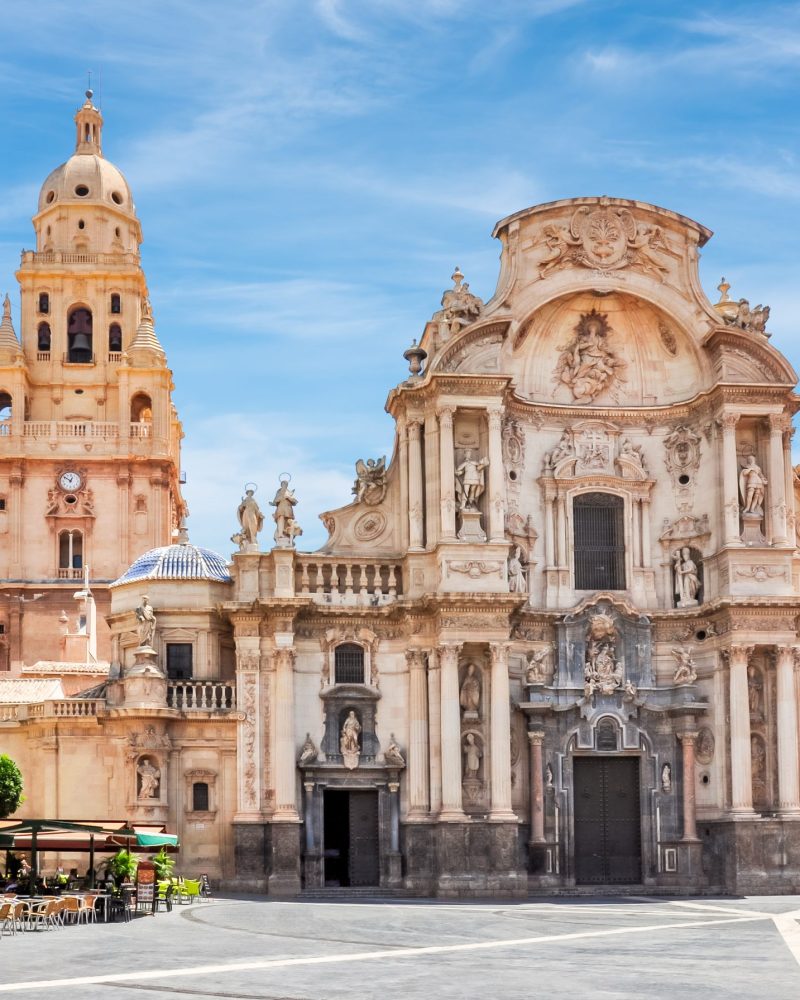
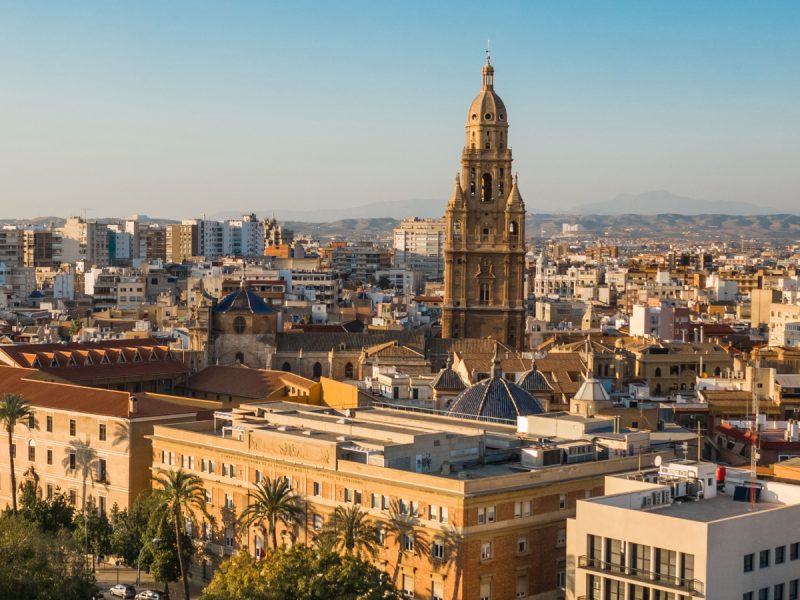
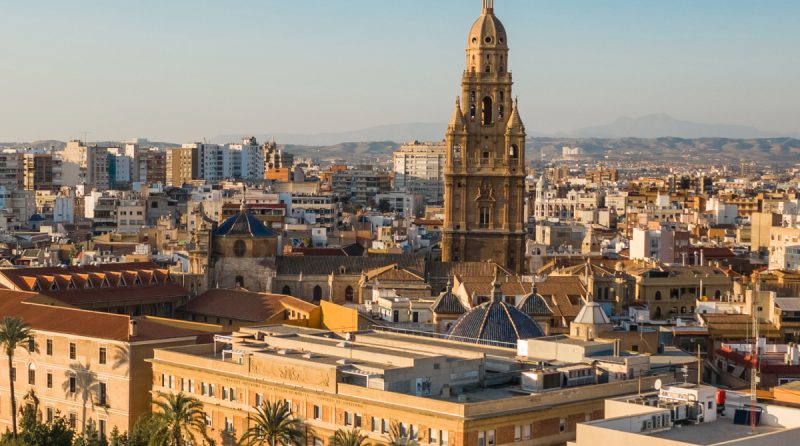
We can’t think of a better way to start our list of recommendations for places to visit in Murcia than with the building that, by its own merits, has become the artistic emblem of the city.
It is the most visited monument and possibly the most beautiful, although this is always a little more subjective.
Its facade, designed by Jaime Bort, is recognised throughout the world as one of the great jewels of the Baroque. Throughout all its ornaments, you will discover scenes of the exaltation of the Virgin Mary and the glorification of the Church.
Its interior leaves aside the baroque style to adopt a Gothic character throughout three naves with an ambulatory and chapels. Of the latter, we especially recommend that you do not miss the Chapel of Los Vélez and that of Los Junterones.
We do not want to finish without making special mention of its spectacular Merklin organ, composed of almost 4,000 pipes and four keyboards.
Furthermore, the visit will also allow you to admire the Cathedral Museum, located in the old cloister.
Real Casino of Murcia
We change tack completely, maintaining only artistic and architectural beauty as a common denominator.
The Real Casino is visited annually by more than 150,000 people, and it is one of the most beautiful buildings in all of Spain.
This jewel of eclecticism is located on the mythical Trapería street and its architecture mixes artistic elements characteristic of different coexisting currents during the second half of the 19th century and the beginning of the 20th century.
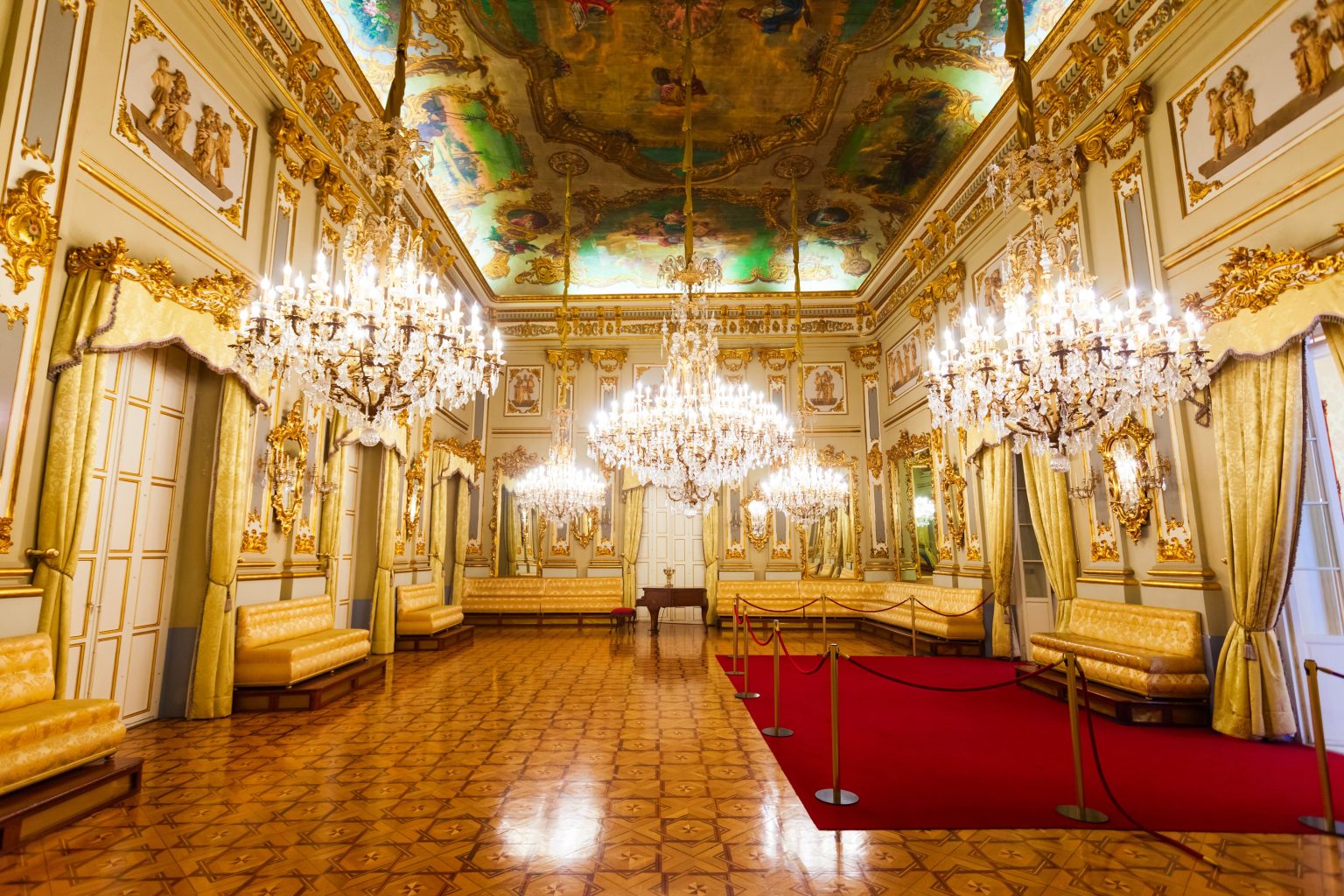
Declared a Historic-Artistic Monument in 1983, its interior beauty has nothing to envy that of its imposing façade. In its beautiful Arab patio with Nasrid decoration, a total of 20,000 sheets of gold leaf were placed, achieving a truly astonishing coating.
Its library and its ballroom are some of the most recommended rooms, along with the billiard room and its two social lounges.
Undoubtedly, we are talking about one of the best places to see in Murcia.
Plaza de las Flores
The Plaza de las Flores is something like the heart of Murcia. Just by approaching its surroundings, you realise that it is a place with a special life.
The noise coming from the people who crowd its terraces contrasts with the pleasant sound of the flowing water from its fountains. The trees that populate it offer refreshing shade, making it a wonderful escape from the heat during the summer months.
It houses some of the best tapas bars in Murcia, with local gastronomy always as the central theme.
One of its characteristic features is the statue you will find next to its central fountain, sculpted in iron and popularly known as La Niña de las Flores (The Flower Girl).
But its name does not really come from here. Formerly, the Carnicería Mayor de Murcia (Main Butchery of Murcia) was located at this spot, and around it, the city’s florists set up street stalls to offer their flowers to the butchery’s customers. Although the butchery building was demolished in 1968, the beautiful custom of its flower stalls remained in the square, eventually adopting its current name.
La Fuensanta Sanctuary
It’s time to move a few kilometres away from the historic centre of Murcia to discover one of those essential places to see near Murcia.
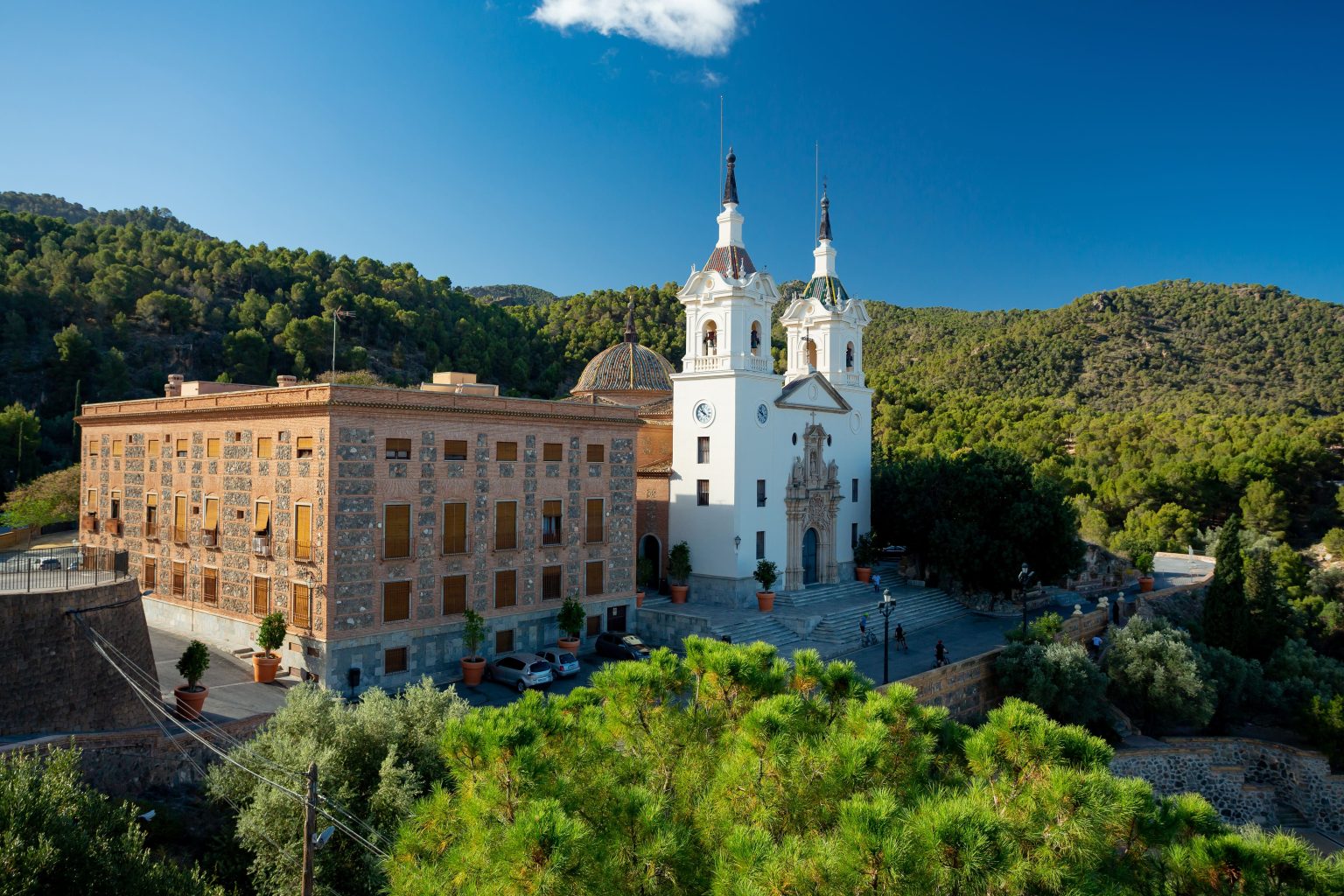
The Sanctuary of La Fuensanta not only stands out for its architectural beauty, with a marked Baroque style present in its beautiful towers and its large semicircular arch doorway. This wonderful religious temple is also known throughout the city for offering what they say is the best panoramic view of Murcia and its famous orchard.
The stairs at its entrance will allow you to take one of those photos that will take a prominent place on your Instagram wall.
Inside the Sanctuary, you will enjoy contemplating its reliefs and sculptures, the work of González Moreno.
Moreover, the temple is located within the El Valle y Carrascoy Regional Park, a protected area noted for its natural beauty.
We already warned you at the beginning of our particular guide that Murcia is a surprising city. Well, when you observe it from this magical place, its beauty is enhanced even more if possible.
Santa Clara Museum
Next, we propose a journey back in time to the Middle Ages through a palace that belonged to Muslim emirs of the 12th and 13th centuries.
This same space was later a royal palace of the Crown of Castile, becoming a Clarissa Monastery in the 14th century and remaining so to this day.
Within its extensive collection, you will find remains of Andalusian archaeology, figurative scenes, and objects centuries old.
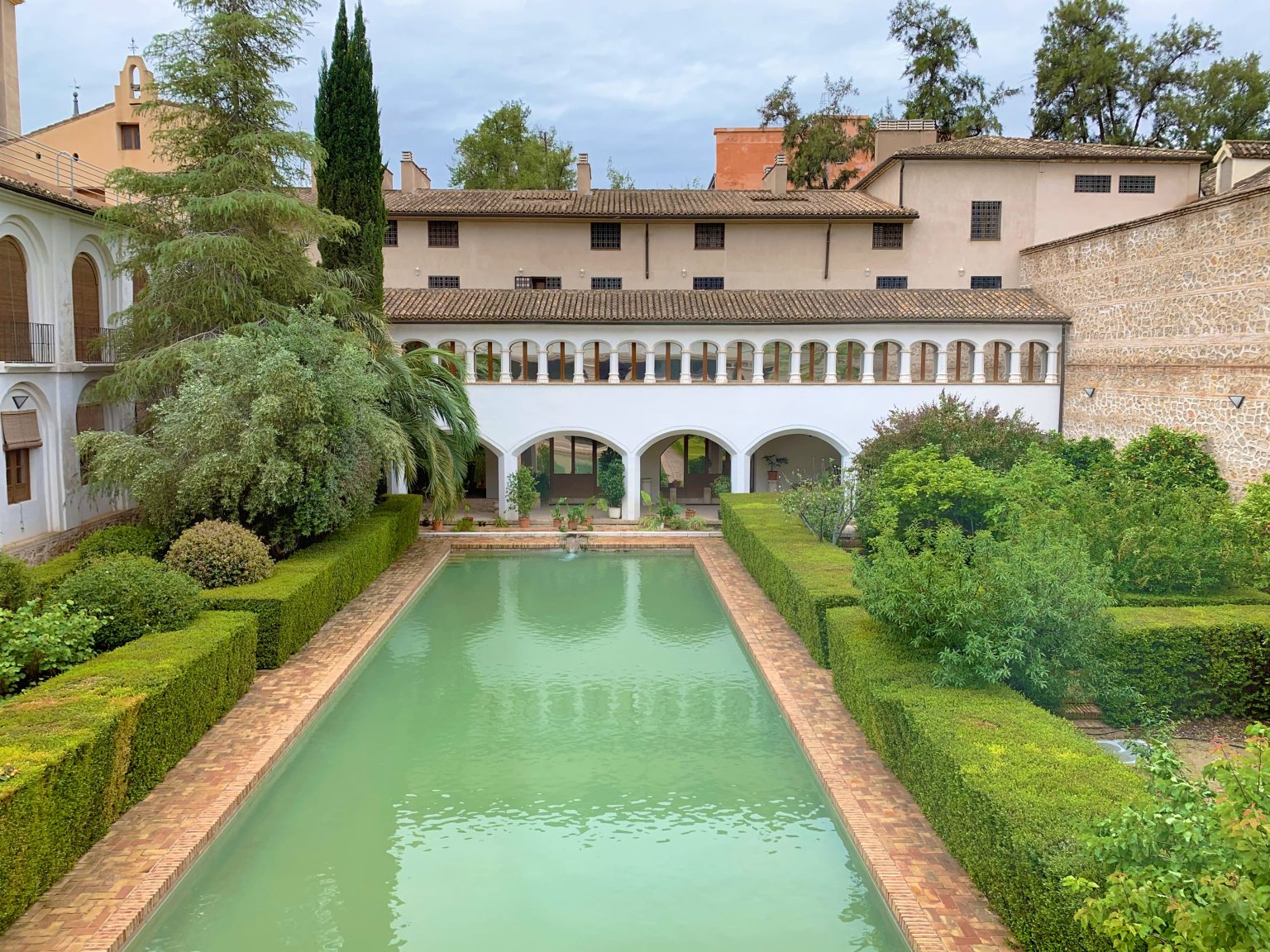
And while its exhibition halls are very interesting, the main attraction comes when you step out into its interior patio. There, one of the oldest Arab pools in Spain awaits you, whose origins date back to the 13th century, conceived as a space for relaxation for the emirs. Its crystal-clear waters will allow you to imagine what life was like here hundreds of years ago, letting your imagination soar to past eras.
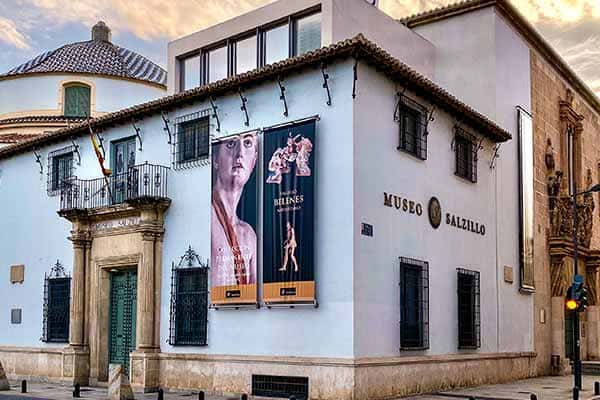
Salzillo Museum
Second museum on our list of things to do in Murcia.
In this case, the undisputed protagonist is one of the local artists with the greatest international significance, the Murcian sculptor Francisco Salzillo.
We are talking about one of the greatest Spanish artists of the 18th century and a worldwide reference in the complex art of religious sculpture.
The Museum has several very distinct spaces. On the one hand, there is the Church of Nuestro Padre Jesús, built in Baroque style in the 17th century. On the other, the new building constructed to house the art of the famous sculptor, employing a more avant-garde architecture.
Among the artist’s most representative works are La Dolorosa, La Última Cena, La Oración del Huerto, and San Juan. All of them characterised by their ability to transmit emotions through unique mastery.
Special mention must be made, finally, of the famous Salzillo Nativity Scene, composed of no less than 156 pieces that perfectly reflect what 18th-century Murcia was like. When you contemplate it, it is hard to believe that we are talking about a work conceived more than two hundred years ago.
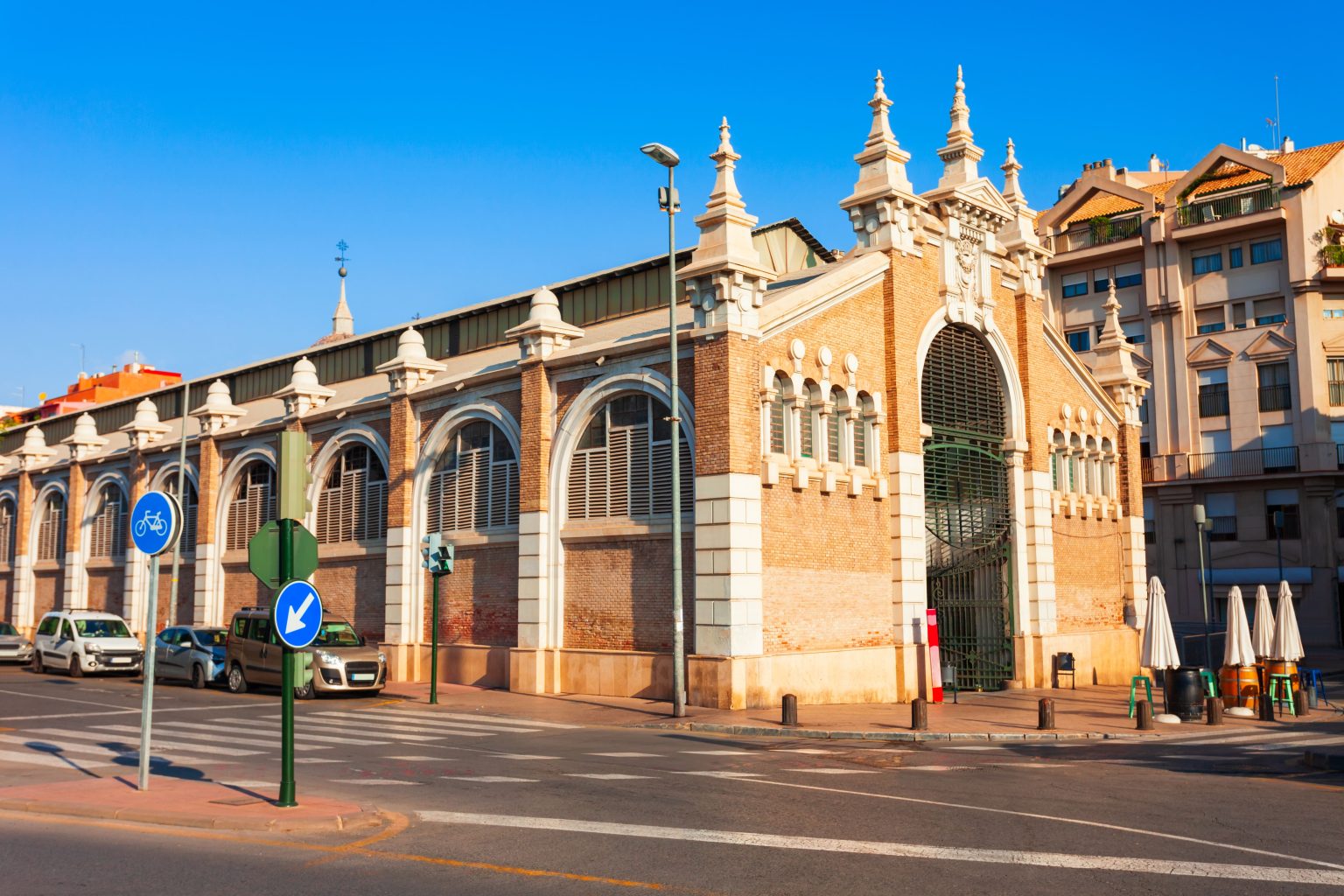
Veronicas Market
The quintessential food market in the city of Murcia and the best possible place to buy and taste some of the most characteristic delicacies of Murcian gastronomy.
We will start by stopping at its building, constructed in 1910 in a marked modernist style. Its design was carried out by the architect Pedro Cerdán and its location was chosen basically because a market had been customarily set up there since the 15th century.
Among its stalls you will find all kinds of products, from top quality fresh fish to some of the best vegetables that can be consumed in our country, produced by the famous Murcian huerta (vegetable garden).
However, the Verónicas Market is not only a place to buy fresh produce. Its interior also houses several bars where it is possible to directly try these products already cooked, under modern culinary proposals that in no case abandon tradition.
Before you leave, we advise you to approach its right facade, next to which are the remains of the city’s Arab wall, including an almost complete tower.
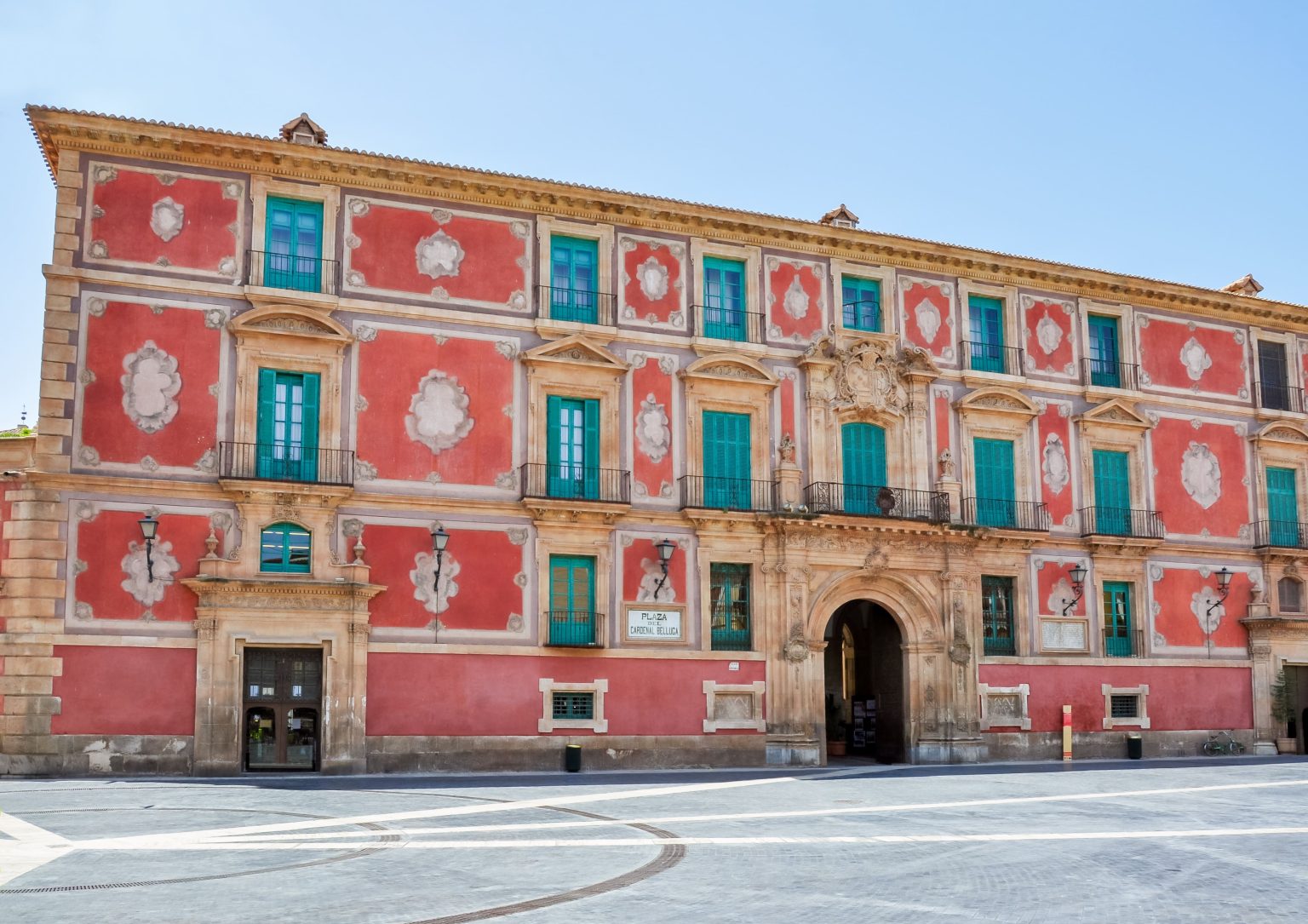
Episcopal Palace
When it comes to artistic heritage, the Episcopal Palace occupies a prominent place in any list of Murcian monuments.
Built in the 18th century, it combines French and Italian influences in its Rococo style. One could say it is a kind of blend of the beautiful Italian and French palaces of the Renaissance era.
Its interior particularly features its imperial staircase, its circular chapel, open to the public 24 hours a day, and its beautiful courtyard.
Furthermore, the Palace has a fantastic viewpoint with views of the Segura River, popularly known as the “Martillo de Palacio” (Palace Hammer). From there, you can probably enjoy the best views of the river and the Paseo del Arenal in the entire city.
Puente de los Peligros (Bridge of Dangers)
The most famous of all the bridges crossing the Segura River as it passes through the capital.
Built between 1718 and 1742, it is also the oldest in Murcia.
It owes its name to the shrine honouring the Virgin of Los Peligros, which was placed at one end to protect citizens from the terrible floods typical of the era. Indeed, it’s highly likely that during your visit, you’ll encounter a local crossing themselves as they pass over it.
The left bank of the bridge offers a privileged view of the beautiful city of Murcia, with the Monument to the Burial of the Sardine and the River Mills in the foreground. In the background, the Cathedral tower completes, along with the river, a truly beautiful postcard.
The right bank will allow you to contemplate first-hand the architectural contrasts that the passage of time has generated in the city. Specifically, through the Manterola Footbridge, a vanguard pedestrian bridge connecting the Carmen Quarter with the Almudí Palace.
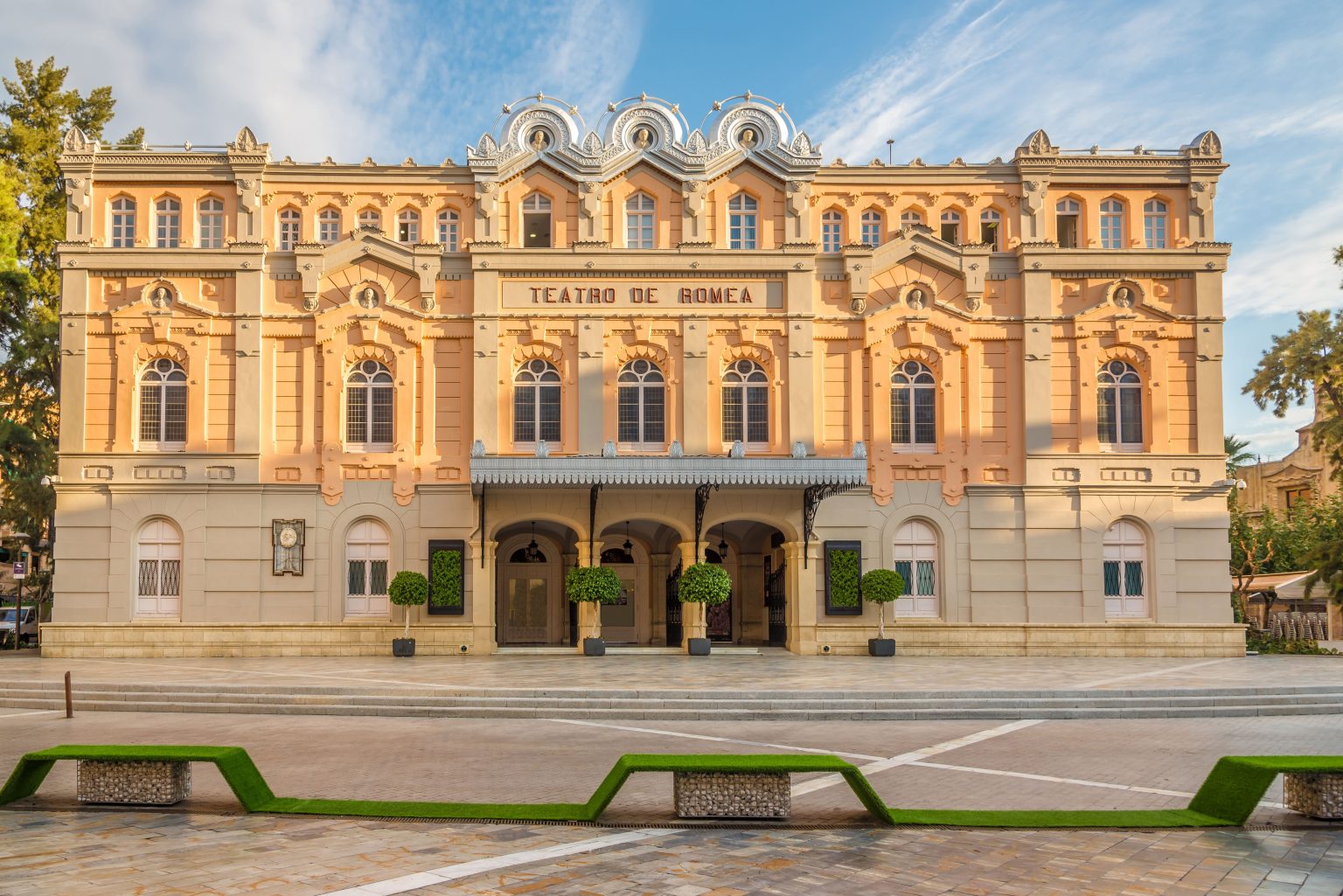
Teatro Romea
Considered one of the most beautiful theatres in all of Spain, the Teatro Romea takes its name from the famous local actor Julián Romea, recognised as one of the best theatre performers nationwide.
Its numerous renovations and rehabilitations, mostly forced by the fires that ravaged it during the 19th century, allow us to enjoy today a truly overwhelming space, whose elegance and beauty are hard to explain in words.
The exterior façade already gives a good account of the building’s importance, but it’s its interior that truly leaves you speechless. We recommend that upon entering the stalls, you first focus on the frescoes on its ceiling, a work by Antonio De la Torre, before gradually lowering your gaze towards the stage.
Its acoustics have made it one of the favourite theatres for Spanish actors, hosting several of the most important theatrical performances in our country every year.
Trapería and Platería Streets
Not far from the Cathedral are what are undoubtedly the city’s two main commercial and artistic arteries.
Trapería Street is located in the space that, from the 13th century onwards, was occupied by the city wall, connecting the squares of Hernández de Amores and Santo Domingo.
Its name comes from the cloth trade that took place on its pavements for centuries, and currently, along its route, some of Murcia’s most important monuments can be seen, such as the aforementioned Casino or the Alegría de la Huerta building.
Platería Street owes its name to the commercial activity of silversmiths, who, during the Middle Ages, set up their stalls and shops in this location.
Today, it continues to house some of the city’s best jewelers, which are interspersed with other types of commercial establishments, such as clothing shops or the famous Ruiz Seiquer Pharmacy, located at kilometre 0 of the Murcia Region’s roads.
Floridablanca Garden
We conclude our list of essentials with the city’s largest green lung.
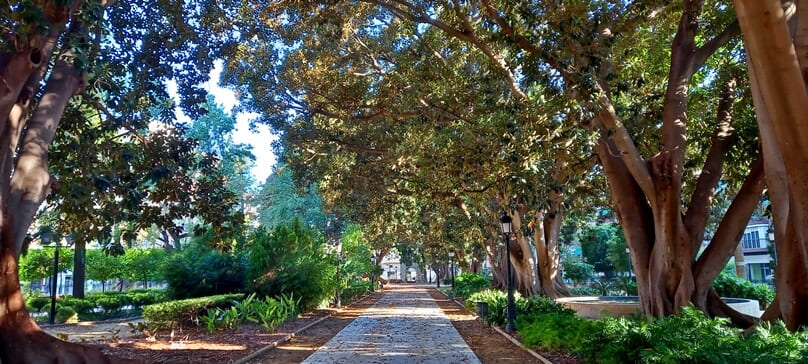
This is Murcia’s oldest park, opened in the mid-19th century and spanning over 11,000 square metres right in the heart of the famous Carmen Quarter.
This was the first public garden in all of Spain, opened just a few years before Madrid’s Retiro Park.
Besides strolling along its small streets and enjoying nature, we advise you to visit the Monument to the Count of Floridablanca, the Monument to the poet Jara Carrillo, the Monument to Selfas, and the Bust of the sculptor Antonio Garrigós.
The Floridablanca Garden is a true explosion of colour, with numerous species of different flowers and trees of all kinds.
In 2017, it was awarded the distinction of Historic Garden and declared a Site of Cultural Interest.
Frequently Asked Questions Murcia
What places should you not miss in Murcia?
After our review of the monuments and places you should not miss in Murcia, you will have already realised why we insist that Murcia is a truly surprising city. There are many reasons why it is worth visiting this magical corner, but if we had to choose the most important, we would select its Cathedral, Platería and Trapería streets, the Real Casino, and the Floridablanca Gardens.
Where to eat in Murcia?
The best area to eat in the city of Murcia is Plaza de las Flores and its surroundings, although, truthfully, throughout its entire historic centre, it is easy to find good bars and restaurants where you can savour its most typical dishes.
Furthermore, the Verónicas Market also includes some stalls where it is possible to enjoy its gastronomy, always with top-quality products.
When to travel to Murcia?
The best time to travel to Murcia is spring and autumn. Temperatures are mild and the climate is almost always characterised by the presence of sun illuminating the city and its clear skies.
How much time do you need to visit Murcia?
While Murcia is not an especially large city, there are so many tourist attractions it offers visitors that we recommend you dedicate at least three days to explore it. And if it can be four, even better.
How to travel to Murcia?
Murcia is a city tremendously prepared for tourism. Moreover, it boasts its own international airport, has a high-speed train connection, and a privileged road network to access the capital by both car and bus.